
Bichon Frise
Small, curly-coated companion dog; cheerful, low-shedding, and highly sociable, but requiring intensive grooming and prone to separation anxiety.
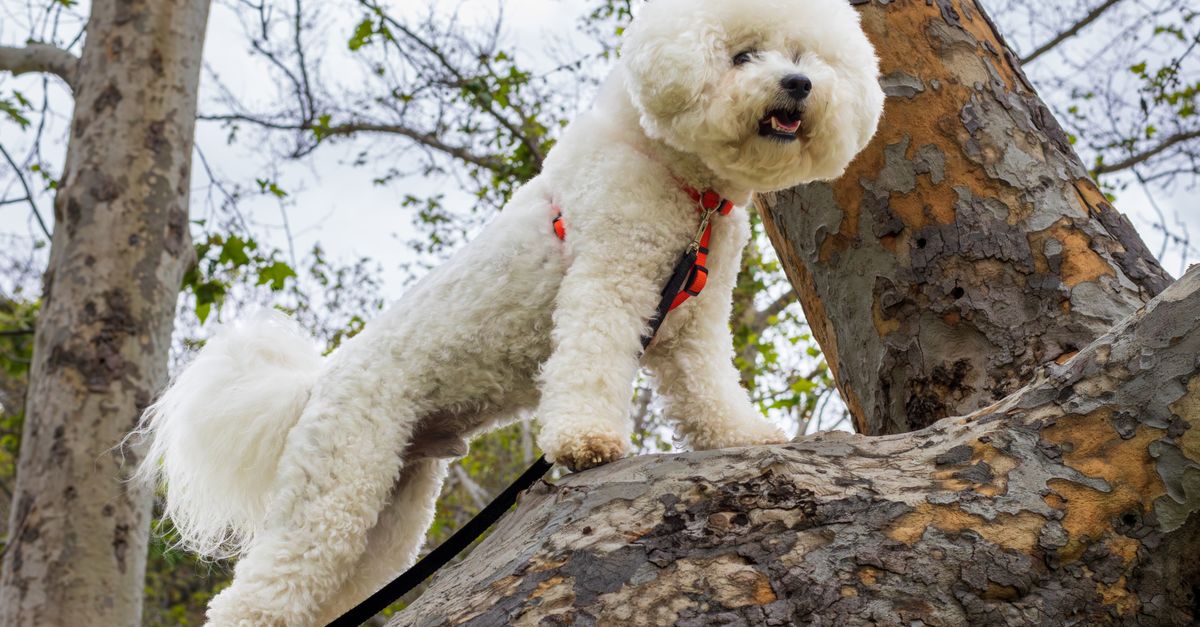
Photo by David Brown on Pexels
Quick facts: Bichon Frise
- Size
- Small
- Weight
- 5.4–8.2 kg
- Origin
- France
- Life span
- 14–15 years
- Temperament
- Cheerful, gentle, playful, affectionate
- Energy level
- Medium
- Grooming needs
- Very‑high
- Trainability
- Low
- Apartment fit
- Very‑high
- Typical annual cost
- ~$1,900
Is the Bichon Frise right for you?
Best for
- Apartment dwellers or those in smaller homes
- Families with older children seeking a gentle, playful breed
- Allergy-sensitive households needing a low-shedding dog
- Work-from-home or retired owners who can be present throughout the day
Not ideal if
- Owners away from home for long hours (high separation anxiety risk)
- Those who want a low-grooming or low-maintenance dog
- Very active owners seeking a vigorous exercise companion
- Owners unprepared for regular professional grooming costs
A sociable, low-shedding apartment dog with high grooming costs — an excellent choice if someone is home most of the day.
Trait snapshot
Bichon Frise is part of the Non-Sporting Group — see group tendencies →
What owners actually say
Bichon Frise owners love the cheerful, people-oriented temperament but are candid about the professional grooming cost and separation anxiety risk.
- Grooming
Professional grooming every 4–6 weeks is non-negotiable for the coat — clipping, scissoring, and bathing requires skill that most owners don't develop at home. At $60–$90 per appointment, this is one of the highest grooming costs relative to body size of any breed.
- Shedding
The Bichon is classed as low-shedding, but 'low shedding' doesn't mean zero coat work. Shed hair stays trapped in the curly coat and mats if not brushed several times a week between professional appointments. Skip brushing and the grooming bill rises.
- Health reality
Bladder stones and urinary crystals are more common in Bichons than in most breeds. Owners notice straining to urinate, blood in urine, or frequent accidents. Diet and regular vet checks help catch this early — it is manageable but worth knowing before you get one.
- Alone time
Bichons are companion dogs to their core and struggle with extended alone periods. Separation anxiety is a genuine and common challenge in this breed. Households where someone is frequently home, or where gradual independence training is done from puppyhood, have much better outcomes.
- Training
Bichons are highly trainable when motivated with food and praise — they pick up tricks quickly and enjoy learning. The cheerful willingness to please makes training sessions genuinely enjoyable for both dog and owner.
- Apartment life
For city and apartment living, the Bichon is genuinely excellent. Low exercise requirements, manageable size, minimal shedding, and a friendly non-threatening presence make them well-suited to urban environments when grooming needs are properly managed.
Editorial summary. Phase 3 will add structured owner survey data.
Cost snapshot
Range $1,100–$3,200
Range $2,200–$6,500
After first year
Annual breakdown
Assumptions used:
- Professional grooming every 4–6 weeks is the primary cost driver
- Allergy management and dental care add to ongoing veterinary costs
Last reviewed: 2026-06-20
Read full methodology →Health watchlist
Health information is educational only. Always consult your veterinarian.
Allergies and skin conditions
Bichons are prone to skin allergies, including atopic dermatitis, which can cause itching, skin infections, and ear problems. Identifying and managing allergen triggers with veterinary guidance is important. Consult your vet for guidance specific to your dog.
Dental disease
Like many small breeds, Bichons are prone to periodontal disease due to small jaw size and crowded teeth. Daily dental brushing and regular professional cleaning are recommended. Consult your vet for guidance specific to your dog.
Bladder stones
Bichons have a higher-than-average predisposition to bladder stones (urolithiasis). Adequate hydration and routine veterinary check-ups can help with early detection. Consult your vet for guidance specific to your dog.
Patellar luxation
Common small-breed joint concern. Watch for intermittent hind-leg skipping. Consult your vet for guidance specific to your dog.
Cataracts
Hereditary cataracts can develop. Annual eye exams are recommended. Consult your vet for guidance specific to your dog.
Check your fit
Answer a few questions to see how a Bichon Frise fits your household.
Frequently asked questions
Are Bichon Frises hypoallergenic?
How often does a Bichon Frise need grooming?
Can a Bichon Frise be left alone?
Are Bichon Frises good with children?
How much does it cost to own a Bichon Frise?
What health problems are Bichon Frises prone to?
Are Bichon Frises easy to train?
Are Bichon Frises good apartment dogs?
Are Bichon Frises good for first-time owners?
How long do Bichon Frises live?
Tools for Bichon Frise owners
Similar breeds to the Bichon Frise

Small Madagascar companion with a cottony coat, cheerful temperament, and strong desire to stay close to its people.
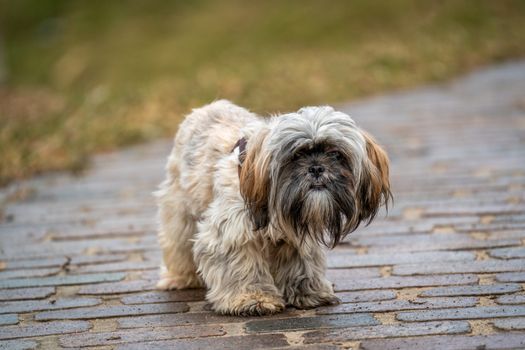
Regal Chinese lap dog bred for palace life; affectionate, sturdy, and highly adaptable to apartment living with demanding coat care.
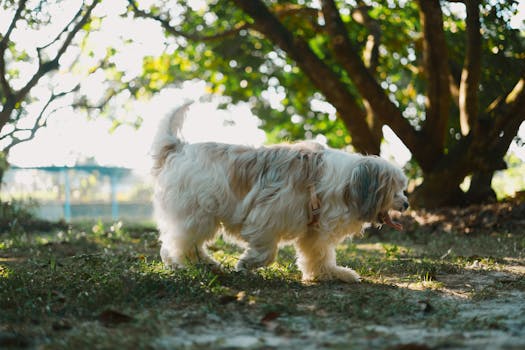
Cuba's national dog — a small, cheerful companion with a silky coat, low shedding, and exceptional adaptability to urban and apartment life.

Ancient Tibetan sentinel companion with a lavish coat, comic personality, and serious watchdog instincts in a small body.
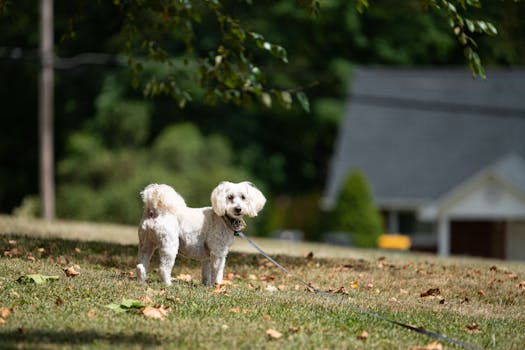
Popular Maltese-Poodle designer mix; low-shedding, affectionate, and apartment-friendly — but coat, temperament, and health vary significantly between individuals due to hybrid genetics.
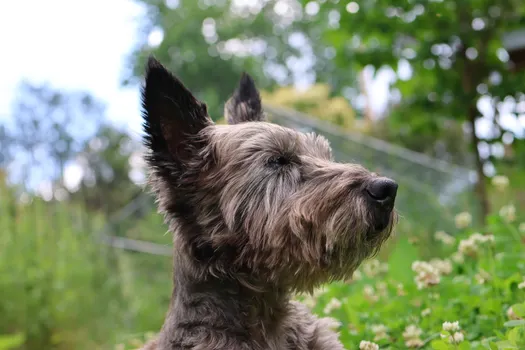
Compact, dignified terrier from Scotland with a bold “Diehard” personality, wiry coat, and independent watchdog streak.
Compare & learn more
Head-to-head comparisons

How important is apartment fit?
Help improve PupWiki with one quick anonymous answer.
Find my breed match →