
Scottish Terrier
Compact, dignified terrier from Scotland with a bold “Diehard” personality, wiry coat, and independent watchdog streak.
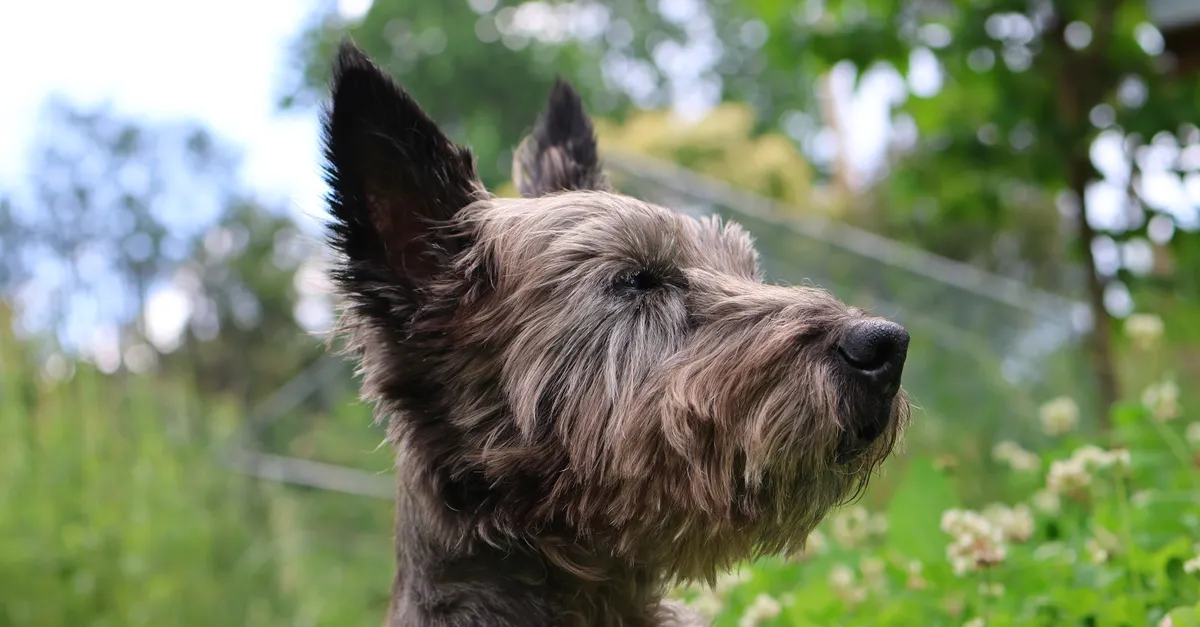
Photo by Jordan Heinz on Pexels
Quick facts: Scottish Terrier
- Size
- Small
- Weight
- 8.2–10 kg
- Origin
- Scotland
- Life span
- 12 years
- Temperament
- Confident, independent, spirited, dignified, loyal
- Energy level
- Medium
- Grooming needs
- High
- Trainability
- High
- Apartment fit
- High
- Typical annual cost
- ~$2,200
Is the Scottish Terrier right for you?
Best for
- Adults and families who enjoy classic terrier personality
- Apartment owners who can manage barking and daily walks
- People wanting a loyal, compact watchdog companion
- Owners willing to maintain a wiry coat and realistic training expectations
Not ideal if
- You want an off-leash reliable dog around wildlife
- You expect a soft, eager-to-please lapdog temperament
- You dislike stubbornness, digging, or terrier persistence
- You cannot maintain grooming or coat stripping/trimming routines
A characterful small terrier for owners who love independence, structure, and a big-dog attitude in a compact frame.
Trait snapshot
Scottish Terrier is part of the Terrier Group — see group tendencies →
Build a personalised training plan for your Scottish Terrier →
What owners actually say
Scottie owners love the dignity and character, while accepting that independence, grooming, prey drive, and urinary health awareness come with the package.
- General
Owners often describe Scotties as deeply individual — more like living with a small opinionated roommate than a soft people-pleaser.
- Training
They learn, but they bargain. Success usually comes from consistency, humour, and understanding terrier motivation.
- Apartment life
Compact size and moderate exercise needs suit apartments, but barking and dog-selectivity require management.
- Grooming
The wiry coat is not high-shedding, but proper trimming or hand-stripping can become a regular cost.
- Health reality
Owners are often surprised by breed-specific urinary/bladder discussions and the need to take urinary signs seriously.
- Barking
Scotties are often alert but not frantic. They tend to announce what they consider important.
Editorial summary based on owner accounts and breed community feedback. Phase 3 can replace or enrich this with structured PupWiki owner survey data.
Cost snapshot
Range $1,200–$4,000
Range $2,400–$7,400
After first year
Annual breakdown
Assumptions used:
- Small food volume
- Professional grooming or hand-stripping/trimming likely
- Training and management may be needed for terrier behaviours
- Breed-specific screening and bladder/skin vigilance included
Last reviewed: 2026-07-02
Read full methodology →Health watchlist
Health information is educational only. Always consult your veterinarian.
Bladder cancer awareness
Scottish Terriers are often discussed in veterinary literature for elevated transitional cell carcinoma risk. Owners should not ignore blood in urine, straining, accidents, or urinary frequency.
Von Willebrand disease and bleeding tendency
Ask breeders about appropriate genetic or health screening. Alert your vet before surgery or dental procedures if there is any bleeding-history concern.
Scottie cramp and movement episodes
Some Scotties can show stress- or excitement-associated movement changes. Any abnormal gait, collapse, or pain should be evaluated by a veterinarian.
Skin and allergy issues
Wiry coats and terrier skin can hide itch, redness, or recurrent infections. Good grooming habits and early vet support prevent chronic discomfort.
Check your fit
Answer a few questions to see how a Scottish Terrier fits your household.
Frequently asked questions
Are Scottish Terriers good apartment dogs?
Are Scottish Terriers easy to train?
Do Scottish Terriers shed much?
Are Scotties good with children?
Can Scottish Terriers be off leash?
Do Scottish Terriers bark a lot?
What health issues should Scottish Terrier owners know about?
Tools for Scottish Terrier owners
Similar breeds to the Scottish Terrier
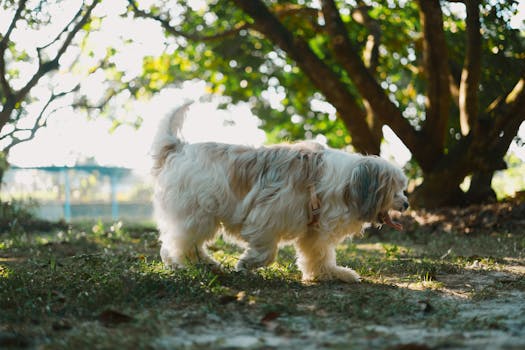
Cuba's national dog — a small, cheerful companion with a silky coat, low shedding, and exceptional adaptability to urban and apartment life.

Ancient Tibetan sentinel companion with a lavish coat, comic personality, and serious watchdog instincts in a small body.
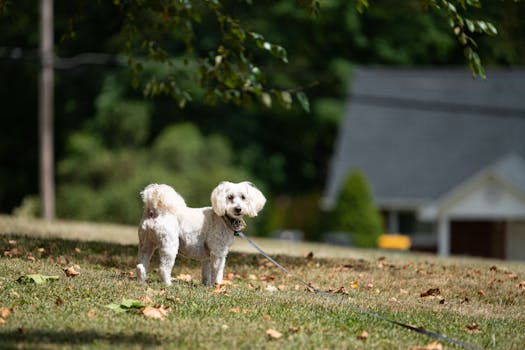
Popular Maltese-Poodle designer mix; low-shedding, affectionate, and apartment-friendly — but coat, temperament, and health vary significantly between individuals due to hybrid genetics.
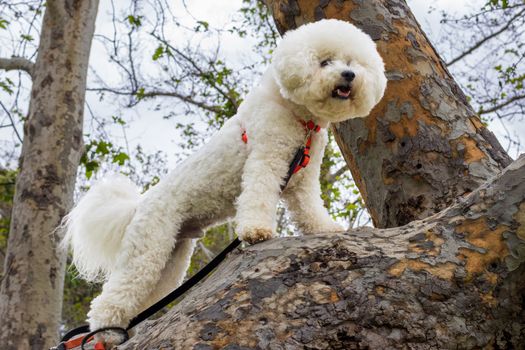
Small, curly-coated companion dog; cheerful, low-shedding, and highly sociable, but requiring intensive grooming and prone to separation anxiety.

Small Madagascar companion with a cottony coat, cheerful temperament, and strong desire to stay close to its people.
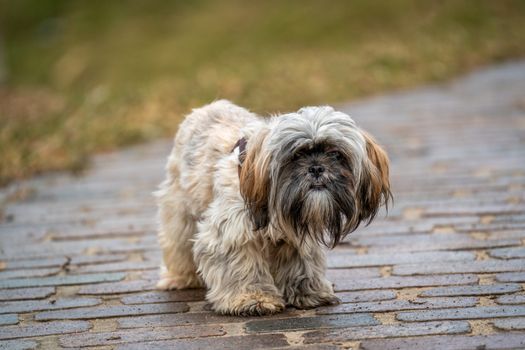
Regal Chinese lap dog bred for palace life; affectionate, sturdy, and highly adaptable to apartment living with demanding coat care.
Compare & learn more
Which breed content should PupWiki improve most?
Help improve PupWiki with one quick anonymous answer.
Find my breed match →