
Havanese
Cuba's national dog — a small, cheerful companion with a silky coat, low shedding, and exceptional adaptability to urban and apartment life.
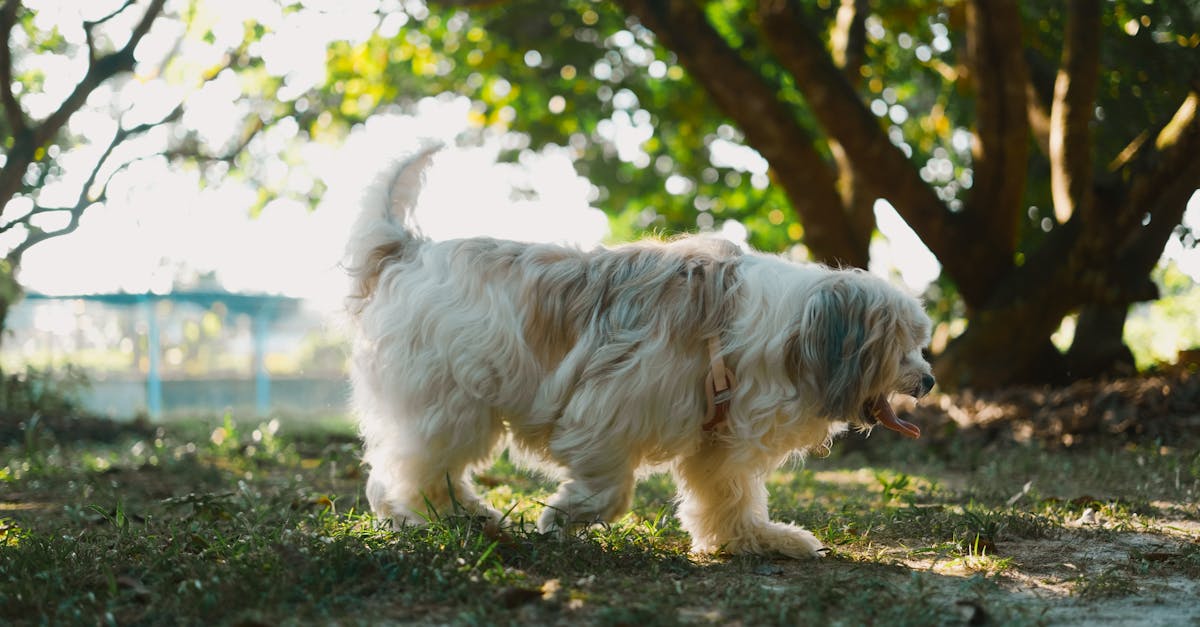
Photo by Ayyeee Ayyeee on Pexels
Quick facts: Havanese
- Size
- Small
- Weight
- 3.2–5.9 kg
- Origin
- Cuba
- Life span
- 14–16 years
- Temperament
- Playful, sociable, intelligent, responsive
- Energy level
- Medium
- Grooming needs
- High
- Trainability
- Low
- Apartment fit
- Very‑high
- Typical annual cost
- ~$1,900
Is the Havanese right for you?
Best for
- Apartment and city dwellers
- Families with children
- Allergy-conscious owners (low shedding)
- First-time owners who want a sociable, responsive breed
Not ideal if
- Owners away from home for long hours without enrichment
- Those who want a low-maintenance coat (grooming commitment required)
- Very active households seeking a high-energy outdoor dog
An adaptable, low-shedding urban companion — excellent for apartments, families, and allergy-conscious households.
Trait snapshot
Havanese is part of the Toy Group — see group tendencies →
What owners actually say
Havanese owners love the low-shedding, apartment-friendly nature and sociable personality — the primary learning curve is consistent grooming and managing their need for company.
- Apartment life
Consistently rated by owners as one of the best small breeds for city and apartment living. Exercise needs are moderate, they adapt well to smaller spaces, and they are not excessively vocal compared to other toy breeds. The primary apartment caveat is that they need company — an empty flat all day is not good for them.
- Shedding
Very low shedding — one of the strongest draws for allergy-conscious owners and those who dislike dog hair on furniture. The silky coat grows long and is high-maintenance in terms of brushing, but what it does not do is shed around the home the way most breeds do.
- Grooming
Low shedding is not the same as low grooming effort. The long, silky coat mats without consistent brushing 3–4 times per week, and professional grooming every 6–8 weeks is standard. Many owners choose a shorter puppy clip to reduce brushing time. Budget $50–$80 per professional groom.
- Training
Responsive and people-oriented — owners consistently describe positive training experiences. They learn commands readily and enjoy the interaction. They do not respond well to harsh methods. The main training note is that independent play and tolerance of alone time must be actively practised early.
- Alone time
Havanese are companion dogs by origin and bonded to their people. Extended alone time is genuinely difficult for the breed. Owners who work full days describe the need for a dog walker, doggy daycare, or another dog as a companion. Remote workers or households with someone usually home report excellent outcomes.
- General
Sociable across the board — good with children, other dogs, and strangers. Owners specifically praise the easy-going, 'good with everyone' temperament as a quality that makes daily life and social situations uncomplicated.
- Health reality
Patellar luxation is more common than expected in this otherwise healthy small breed. Owners report that the issue can range from barely noticeable to requiring surgical correction, making early screening worthwhile.
Editorial summary based on owner accounts and breed community feedback.
Cost snapshot
Range $1,100–$3,200
Range $2,200–$6,500
After first year
Annual breakdown
Assumptions used:
- Grooming costs moderate to high (long coat or regular puppy clips)
- Small breed food costs
- Generally robust health — lower vet costs than many toy breeds
Last reviewed: 2026-06-20
Read full methodology →Health watchlist
Health information is educational only. Always consult your veterinarian.
Hip dysplasia
Occurs in the breed despite small size. OFA hip evaluation in breeding stock is recommended. Weight management helps throughout life. Consult your vet for guidance specific to your dog.
Progressive Retinal Atrophy (PRA)
PRA is present in the Havanese gene pool. CAER eye certification and genetic testing available. Ask breeders for eye health documentation for both parents. Consult your vet for guidance specific to your dog.
Patellar luxation
Common in small and toy breeds. OFA patellar certification in parents reduces risk. Mild luxation is managed conservatively; severe cases may require surgery. Consult your vet for guidance specific to your dog.
Cataracts
Hereditary cataracts can develop. Annual eye exams are recommended. Consult your vet for guidance specific to your dog.
Dental disease
Small breeds are prone to dental issues. Regular brushing and veterinary dental checks are important. Consult your vet for guidance specific to your dog.
Check your fit
Answer a few questions to see how a Havanese fits your household.
Frequently asked questions
Do Havanese shed?
Are Havanese good apartment dogs?
Are Havanese easy to train?
How much grooming does a Havanese need?
How much does it cost to own a Havanese?
What health problems are Havaneses prone to?
Are Havaneses good for first-time owners?
How long do Havaneses live?
Tools for Havanese owners
Similar breeds to the Havanese
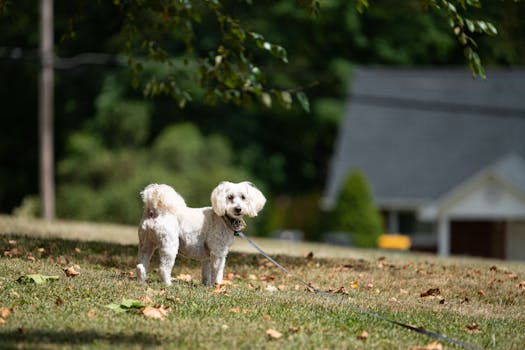
Popular Maltese-Poodle designer mix; low-shedding, affectionate, and apartment-friendly — but coat, temperament, and health vary significantly between individuals due to hybrid genetics.
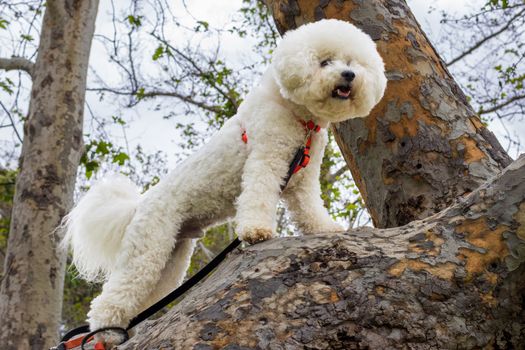
Small, curly-coated companion dog; cheerful, low-shedding, and highly sociable, but requiring intensive grooming and prone to separation anxiety.

Small Madagascar companion with a cottony coat, cheerful temperament, and strong desire to stay close to its people.
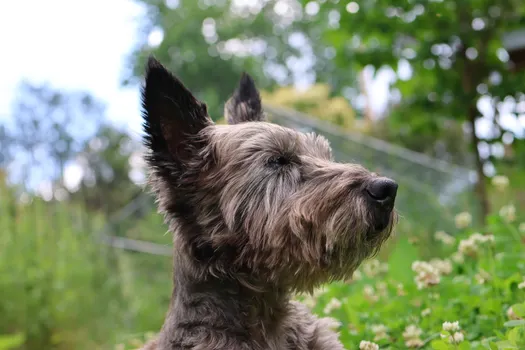
Compact, dignified terrier from Scotland with a bold “Diehard” personality, wiry coat, and independent watchdog streak.
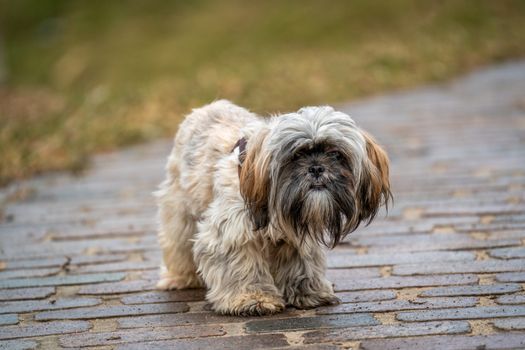
Regal Chinese lap dog bred for palace life; affectionate, sturdy, and highly adaptable to apartment living with demanding coat care.

Aristocratic toy spaniel; gentle, affectionate, and deeply devoted to people with serious cardiac health considerations.
Compare & learn more
Head-to-head comparisons
After reading this breed page, what are you still unsure about?
Help improve PupWiki with one quick anonymous answer.
Compare breeds →