
The health information on PupWiki is for educational purposes only and does not constitute veterinary medical advice, diagnosis, or treatment. Always seek the guidance of a licensed veterinarian with any questions you may have regarding your dog's health or a medical condition.
Your dog's paws absorb every impact of every step across every surface they walk on — pavement, gravel, snow, sand, wet grass, and everything in between. Paw pads are remarkably tough, but they are not indestructible. Seasonal hazards, neglected nails, and unnoticed injuries can cause pain that dogs are adept at hiding until the problem becomes serious. This guide covers paw anatomy, seasonal protection strategies, common injuries and their first aid, and practical routines to keep your dog's paws healthy year-round.
Paw anatomy and why it matters
A dog's paw is an engineered structure designed for traction, shock absorption, and temperature regulation. Understanding its components explains why certain injuries happen and why paw care goes beyond cosmetic grooming.
- Digital pads: The four smaller pads under each toe. These bear a significant portion of the dog's weight and provide grip during turns and acceleration.
- Metacarpal/metatarsal pad: The large central pad (the "palm"). This is the primary shock absorber, cushioning impact with every stride. It contains a thick layer of fatty tissue beneath a keratinised outer layer.
- Carpal pad: The small pad higher on the back of the front leg. This provides braking traction on steep or slippery surfaces — think of it as an anti-skid brake.
- Nails and dewclaws: Nails provide traction on soft ground and grip during digging. Dewclaws (the "thumb" nail on the inner front leg) assist with grip when holding objects. Nail length directly affects how the paw contacts the ground — see the section on nail-paw mechanics below.
- Interdigital spaces: The webbed areas between the toes. These are warm, moist, and poorly ventilated — making them vulnerable to infections, foreign body lodgement (grass seeds, thorns), and yeast overgrowth.
Paw pads also play a role in thermoregulation. The pads contain a counter-current heat exchange system in their blood vessels — arterial blood warms venous blood returning from the cold ground, which is why dogs can walk on cold surfaces without the vasoconstriction that affects human hands and feet. However, this system has limits, and prolonged exposure to extreme cold or chemical deicers can still cause frostbite and chemical burns.
Seasonal paw hazards and protection
Each season brings different risks. The most common paw injuries are preventable with awareness and simple precautions.
Winter: salt, ice, and chemical deicers
Road salt and chemical deicers (calcium chloride, magnesium chloride, potassium chloride) are the biggest winter paw threats. These chemicals irritate the pads, causing dryness, cracking, and chemical burns with repeated exposure. Worse, dogs lick their paws after walks and ingest these chemicals, which can cause gastrointestinal upset, excessive thirst, and in severe cases, sodium toxicity.
Winter paw protection protocol:
- Pre-walk: Apply a thin layer of paw wax or balm to create a barrier between the pad and the treated surface. This does not prevent all contact but reduces chemical adherence.
- During walks: Stick to cleared paths where possible. Avoid puddles on treated roads — dissolved salt concentrate is more corrosive than dry salt granules. Watch for limping, paw lifting, or reluctance to walk, which signal discomfort.
- Post-walk: Wipe all four paws (and the belly of low-riding breeds) with a warm, damp cloth immediately after returning home. Pay attention to the interdigital spaces where salt granules lodge. A shallow pan of warm water for a quick foot soak is even more thorough.
- Ice and snow accumulation: Long-haired breeds accumulate snowballs between their toes that freeze into hard, painful ice clumps. Trim the fur between the pads to reduce snow accumulation (use blunt-tipped scissors for safety). Thaw ice balls gently with warm water — do not pull them out, as they bond to the hair.
Summer: hot pavement and sand
Thermal burns are one of the most common and most preventable summer paw injuries. Asphalt, concrete, brick, and metal surfaces absorb solar radiation and can reach temperatures far exceeding the ambient air temperature.
| Air temperature | Approximate asphalt temperature | Risk level |
|---|---|---|
| 25 C / 77 F | 52 C / 125 F | Moderate — limit exposure time |
| 30 C / 86 F | 57 C / 135 F | High — burns possible in under 60 seconds |
| 35 C / 95 F | 63 C / 145 F | Severe — burns in seconds; avoid pavement |
| 40 C / 104 F | 71 C / 160 F | Extreme — walk only on grass or indoors |
Use the 7-second test before every summer walk: place the back of your hand flat on the pavement surface. If you cannot hold it there comfortably for 7 full seconds, it is too hot for your dog's pads. Walk during the cooler parts of the day — early morning or after sunset — or choose grass and shaded routes.
Spring and autumn: hidden hazards
These transitional seasons bring their own risks that are easy to overlook:
- Grass seeds and foxtails (spring/summer): Barbed plant awns can embed between toes and migrate through tissue, causing painful abscesses. Check between all toes after walks through tall grass or fields.
- Antifreeze puddles (autumn): Ethylene glycol-based antifreeze is extremely toxic to dogs and has a sweet taste that attracts them. Even a small amount licked from paws can be fatal. Keep dogs away from garage floors, driveways, and parking lots where spills may occur.
- Wet leaves and mud: Sustained moisture softens paw pads, making them more vulnerable to cuts and abrasions. Dry paws after walks through wet conditions, especially between the toes.
Nail length and paw mechanics
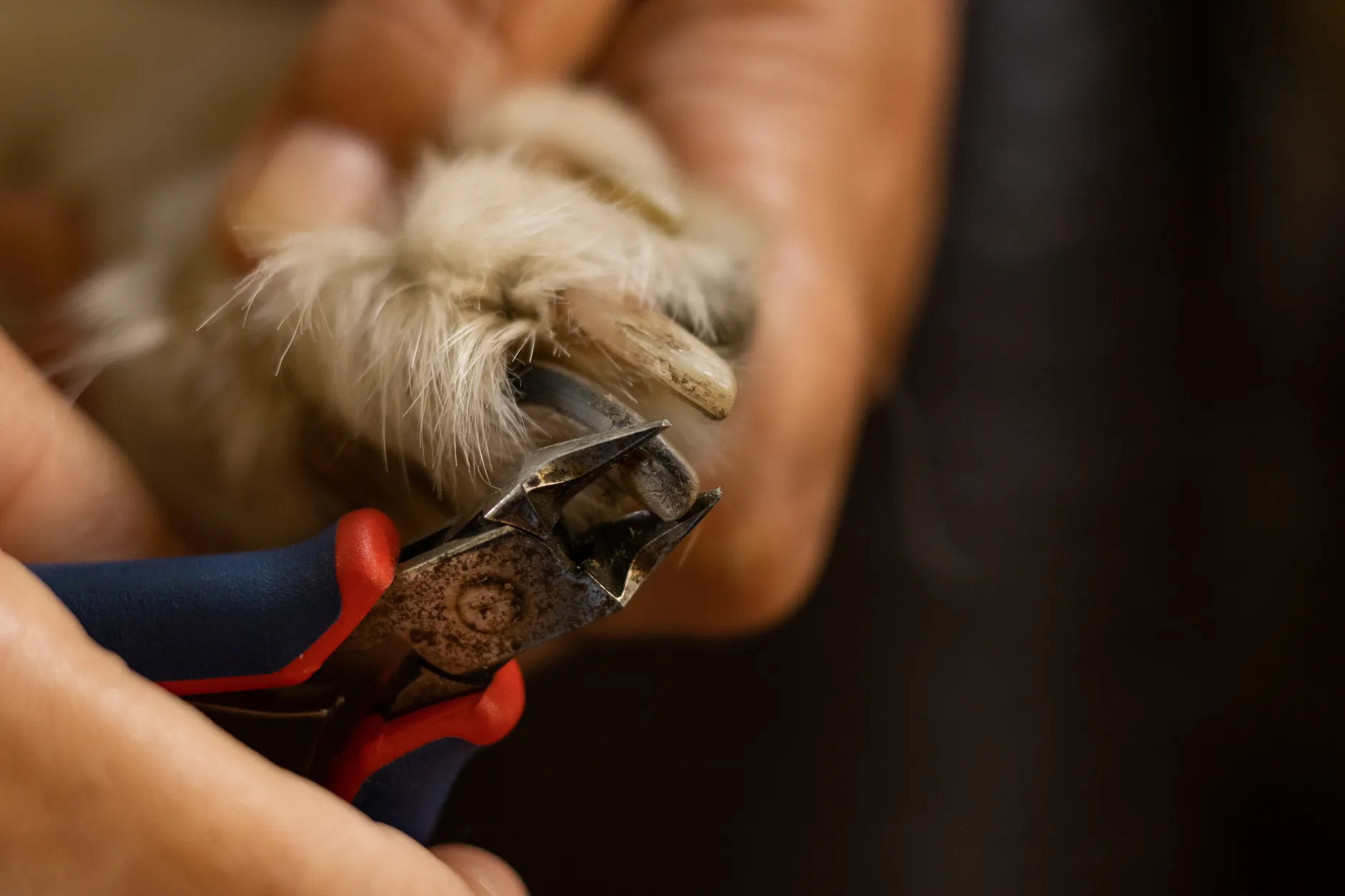
Nail care is inseparable from paw care. When nails are too long — touching or clicking on hard floors — they interfere with how the paw contacts the ground. Every step pushes the long nail upward into the nail bed, which forces the toe into an unnatural position.
The consequences cascade:
- Toes splay outward, reducing the paw's natural grip and stability
- Weight shifts backward off the toes, loading the metacarpal pad unevenly
- Altered gait stresses joints in the pasterns (ankles), knees, hips, and spine
- Long-term neglect can cause permanent changes in foot posture and chronic pain
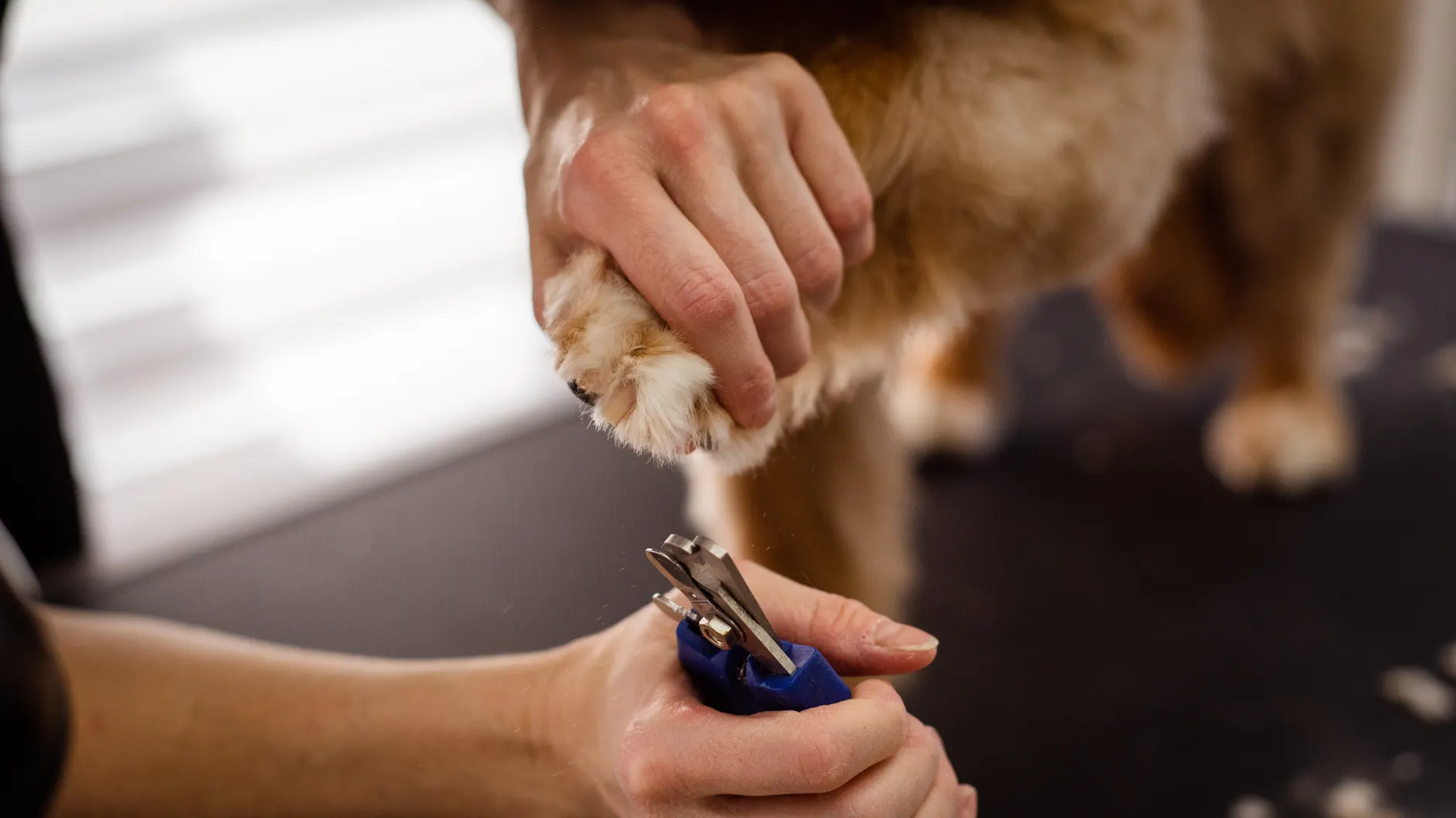
Properly trimmed nails should clear the floor when the dog stands naturally on a hard surface. If you hear clicking, the nails are overdue. See our nail trimming guide for step-by-step technique and tips for dogs that resist trimming.
Pad conditioning and moisturising
Healthy paw pads should feel firm, slightly rough, and flexible — not cracked, peeling, or excessively smooth. Pads naturally toughen through regular contact with varied surfaces. Dogs that walk primarily on soft surfaces (carpet, grass) tend to have softer, less resilient pads that are more vulnerable to injury when they encounter rough terrain.
Conditioning your dog's pads is a balance between maintaining toughness and preventing excessive dryness:
- Paw balm or wax: Purpose-made products (typically beeswax, shea butter, and coconut oil blends) moisturise dry pads without over-softening them. Apply a thin layer as needed — typically once or twice a week in winter and after walks on hot or chemically treated surfaces. These also create a mild barrier against salt and chemicals.
- Avoid human moisturisers: Hand cream, body lotion, and petroleum jelly are formulated for human skin and can over-soften paw pads, reducing their natural abrasion resistance. Petroleum jelly in particular creates a film that traps moisture and debris rather than conditioning the pad tissue.
- Gradual terrain exposure: If your dog has soft pads and you want to build toughness (for hiking, trail running, or increased outdoor activity), increase exposure to rougher surfaces gradually. Start with short walks on pavement and extend duration over several weeks. Sudden long hikes on rocky terrain with untoughened pads cause blistering and abrasion.
Common paw injuries and basic first aid
Most paw injuries are minor and manageable at home with basic supplies. However, dogs walk on their injuries with every step, which complicates healing and increases infection risk. Know when home care is appropriate and when to see a vet.
Cuts and lacerations
Glass, sharp stones, metal debris, and sticks are the most common causes.
- Minor cuts (shallow, minimal bleeding): Rinse with clean water or sterile saline to flush debris. Apply gentle pressure with gauze if bleeding. Once clean, apply a thin layer of veterinary antiseptic or antibiotic ointment. Bandage lightly with gauze and self-adhesive wrap (vet wrap) to keep it clean. Change the bandage daily and inspect for signs of infection (redness, swelling, discharge, odour). Most minor cuts heal within 5 to 7 days.
- Deep cuts (bleeding heavily, tissue visible): Apply firm pressure with a clean cloth and seek veterinary care. Deep pad lacerations may require stitches or tissue adhesive. Do not attempt to close deep wounds at home.
Burns (thermal and chemical)
Hot pavement, campfire embers, and chemical spills cause pad burns. Signs include limping, refusing to walk, licking the paws intensely, pads that appear red or blistered, or pads with loose or peeling skin.
- Thermal burns: Cool the pad immediately by holding it under cool (not cold) running water for 5 to 10 minutes. Do not apply ice — it restricts blood flow to already damaged tissue. Cover loosely with a non-stick bandage. Seek veterinary care for blisters, peeling, or full-thickness burns.
- Chemical burns: Flush the paw with large volumes of clean water for 10 to 15 minutes to remove the chemical. Do not let the dog lick the affected paw. Contact your vet or an animal poison control centre, especially if you are unsure what chemical caused the burn.
Cracking and peeling
Dry, cracked pads are most common in winter (road salt, dry air, cold ground) and in very dry climates. Superficial cracking responds well to paw balm applied daily for a week. Deep cracks that bleed or cause limping should be evaluated by a vet, as they are entry points for infection and may indicate an underlying condition such as zinc-responsive dermatosis or hyperkeratosis (excessive keratin production).
Foreign bodies between toes
Grass seeds, thorns, burrs, small stones, and glass fragments can lodge in the interdigital spaces. Signs include sudden licking of one paw, limping, or visible swelling between the toes.
- Visible, superficial foreign bodies: If you can clearly see a thorn or burr and it is not deeply embedded, remove it gently with clean tweezers. Clean the area with saline and monitor for infection over the next 2 to 3 days.
- Embedded or invisible foreign bodies: If the dog is licking obsessively, limping, or you see swelling but cannot identify the cause, see your vet. Grass awns and foxtails in particular migrate deeper over time and can cause abscesses that require surgical drainage.
Keep a basic paw first aid kit accessible: sterile saline solution or wound wash, gauze pads, self-adhesive bandage wrap (vet wrap), blunt-tipped scissors, tweezers, veterinary antiseptic, and a clean sock (to cover a bandaged paw during walks). Having supplies ready means you can treat minor injuries immediately rather than letting them worsen.
Interdigital cysts (furuncles)
Interdigital furuncles — commonly called interdigital cysts — are painful, fluid-filled or pus-filled swellings between the toes. They are one of the most frustrating paw problems because they frequently recur.
The underlying cause is a deep bacterial infection in the hair follicles between the toes. Contributing factors include:
- Foreign bodies: Grass seeds or thorns that penetrate between the toes and introduce bacteria deep into the tissue
- Chronic moisture: Dogs that swim frequently or have wet paws for extended periods
- Allergies: Environmental or food allergies cause inflammation that weakens the skin barrier between the toes
- Conformation: Breeds with wide, splayed toes and heavy body weight (Bulldogs, Labrador Retrievers, Mastiffs) are overrepresented because their foot structure creates more pressure and friction between the toes
- Excess interdigital hair: Dense fur between the toes traps moisture and debris
Do not attempt to squeeze, lance, or drain an interdigital cyst at home. The infection extends deeper than the visible swelling, and improper drainage drives bacteria further into the tissue. Your vet will prescribe antibiotics (often a 4 to 6 week course for deep infections), may recommend foot soaks (chlorhexidine or Epsom salt), and will investigate the underlying trigger. Recurrent cases may require allergy management, regular interdigital hair trimming, or in rare cases, surgical correction.
Paw protection gear: when boots make sense
Dog boots are a polarising topic — some owners swear by them, while others find their dogs refuse to wear them. The practical reality is that boots are unnecessary for most dogs in most situations, but genuinely valuable in specific circumstances:
- Heavily salted winter roads: Boots prevent chemical contact entirely, which is more effective than post-walk wiping for dogs that walk in heavily treated urban areas daily
- Hot pavement when timing cannot be adjusted: If midday walks are unavoidable (apartment dogs without yard access, for example), boots protect against thermal burns
- Rocky or abrasive terrain: Extended hikes on sharp scree, volcanic rock, or crushed gravel can wear through even tough pads; boots reduce abrasion
- Healing injuries: Boots keep bandages clean and dry during walks while a pad heals
- Senior dogs with thin pads: Older dogs lose pad thickness, and boots provide extra cushioning on hard surfaces
If you decide to use boots, fit matters more than price. Boots that are too loose rotate and rub, causing blisters. Boots that are too tight restrict blood flow and natural toe splay. Measure your dog's paw (width across the widest point with the toes spread naturally) and follow the manufacturer's sizing chart. Most dogs need gradual introduction — wear boots indoors for short periods with treats before expecting normal walking outdoors.
Seasonal paw care checklist
Use this checklist to adjust your paw care routine through the year. Combine these with your regular grooming schedule — the Dog Grooming Schedule Generator can help you build a comprehensive calendar.
Winter checklist
- Apply paw balm before walks on salted or treated surfaces
- Wipe or rinse all four paws after every outdoor walk
- Trim fur between paw pads to reduce ice ball accumulation
- Inspect pads weekly for cracks, dryness, or redness
- Consider boots for daily walks on heavily treated streets
- Store antifreeze securely and clean any spills immediately
Spring checklist
- Check between toes after walks through tall grass or meadows (grass seeds)
- Monitor for increased paw licking (seasonal allergy onset)
- Resume pad conditioning if pads dried out over winter
- Gradually increase terrain exposure to rebuild pad toughness after indoor winter months
Summer checklist
- Perform the 7-second pavement test before every walk
- Walk during early morning or evening hours to avoid peak surface temperatures
- Choose grass or shaded paths when possible
- Rinse paws after swimming in lakes, rivers, oceans, or pools
- Carry water on hikes for both drinking and paw cooling
- Inspect pads for blisters or raw spots after long outdoor sessions
Autumn checklist
- Watch for antifreeze puddles in driveways and parking lots
- Dry paws after wet walks — sustained moisture softens pads
- Check between toes for foxtails and late-season plant debris
- Begin pre-winter pad conditioning with paw balm as temperatures drop
When to see a vet for paw problems
Home care covers most routine paw maintenance and minor injuries. See your vet if you observe any of the following:
- Limping or reluctance to bear weight on a paw that does not resolve within 24 hours
- Deep cuts with significant bleeding, visible tissue, or exposed bone
- Blisters, peeling skin, or raw pads (thermal or chemical burn)
- Swelling between the toes that does not resolve within 2 to 3 days (possible interdigital furuncle or embedded foreign body)
- Persistent excessive paw licking despite no visible injury (likely allergies or an underlying condition)
- Nail injuries: split, cracked, or torn nails exposing the quick
- Changes in pad colour, texture, or thickness (possible hyperkeratosis, autoimmune condition, or nutritional deficiency)
- Any suspected foreign body that you cannot safely remove with tweezers
Early intervention almost always results in faster healing, lower treatment costs, and less discomfort for your dog. A paw problem that seems minor today can become a limping, infected, expensive issue within a week of being ignored. When in doubt, a quick vet visit for assessment is always the safer choice.
Frequently asked questions
- How do I test if pavement is too hot for my dog's paws?
- Use the 7-second test: place the back of your hand flat on the pavement and hold it there for 7 seconds. If it is too hot or painful for you to keep your hand down, it is too hot for your dog's paw pads. On a 30 degree Celsius (86 degree Fahrenheit) day, asphalt can reach 57 degrees Celsius (135 degrees Fahrenheit) or higher in direct sun — well above the threshold for thermal burns on paw pads. Walk early morning or after sunset during hot months, or stay on grass and shaded paths.
- Should I moisturise my dog's paw pads?
- Yes, when the pads are dry or cracked. Use a paw-specific balm or wax — not human hand cream or petroleum jelly, which can soften pads too much and reduce their natural toughness. Dog paw balms typically contain beeswax, shea butter, or coconut oil in formulations designed to moisturise without over-softening. Apply a thin layer and let it absorb for a few minutes before the dog walks on smooth floors (it can be slippery initially). Regular moisturising is especially important in winter when road salt and dry air dehydrate the pads.
- Do dogs need to wear boots?
- For most dogs in most conditions, boots are unnecessary — healthy paw pads are naturally designed to handle varied terrain. Boots are genuinely useful in specific situations: walking on heavily salted or chemically treated winter roads, extended hikes on sharp rocky terrain, walking on hot pavement when timing cannot be adjusted, and for dogs with injured or healing pads. Many dogs resist boots initially, so introduce them gradually with positive reinforcement. Poorly fitted boots that slip or rub can cause blisters and are worse than bare paws.
- How long do paw pad injuries take to heal?
- Minor pad abrasions typically heal within 5 to 7 days with basic wound care. Deeper cuts or burns take 2 to 3 weeks. Full-thickness pad lacerations can take 3 to 6 weeks because pads lack the blood supply of regular skin and bear the dog's weight with every step. During healing, keep the pad clean and dry, change bandages daily, and limit the dog's activity on hard or rough surfaces. If a wound is not showing improvement after 3 to 4 days of home care, consult your vet.
- What are interdigital cysts and what should I do about them?
- Interdigital cysts (more accurately called interdigital furuncles) are painful, fluid-filled swellings that develop between a dog's toes. They are caused by deep bacterial infections in the hair follicles between the toes, often triggered by foreign bodies (grass seeds, thorns), chronic moisture, allergies, or conformational issues. Signs include swelling, redness, and sometimes a discharge between the toes, along with licking and limping. Do not attempt to drain or treat them at home — they require veterinary assessment and usually antibiotics, sometimes with foot soaks or topical treatment. Recurrent cases need investigation of the underlying cause.
- How does nail length affect paw health?
- Overgrown nails directly impact paw mechanics. When nails touch the ground during normal standing, they push the toes upward and splay them outward, altering how the dog distributes weight across the paw pad. Over time, this changes gait, stresses toe joints, and can lead to chronic discomfort. Properly trimmed nails should clear the floor when the dog stands on a hard surface. See our nail trimming guide for detailed instructions on maintaining correct nail length.
- Is it normal for my dog to lick their paws frequently?
- Occasional paw licking is normal grooming behaviour. Persistent or excessive licking — particularly if the paws look red, stained (rust-coloured saliva staining on light fur), or swollen — is not normal and usually indicates an underlying problem. The most common causes are environmental allergies (pollen, grass), food allergies, yeast infections between the toes, foreign bodies, contact irritation (from cleaning products or lawn chemicals), and boredom or anxiety. If paw licking is frequent or intense, consult your vet to identify the cause rather than simply discouraging the behaviour.


