
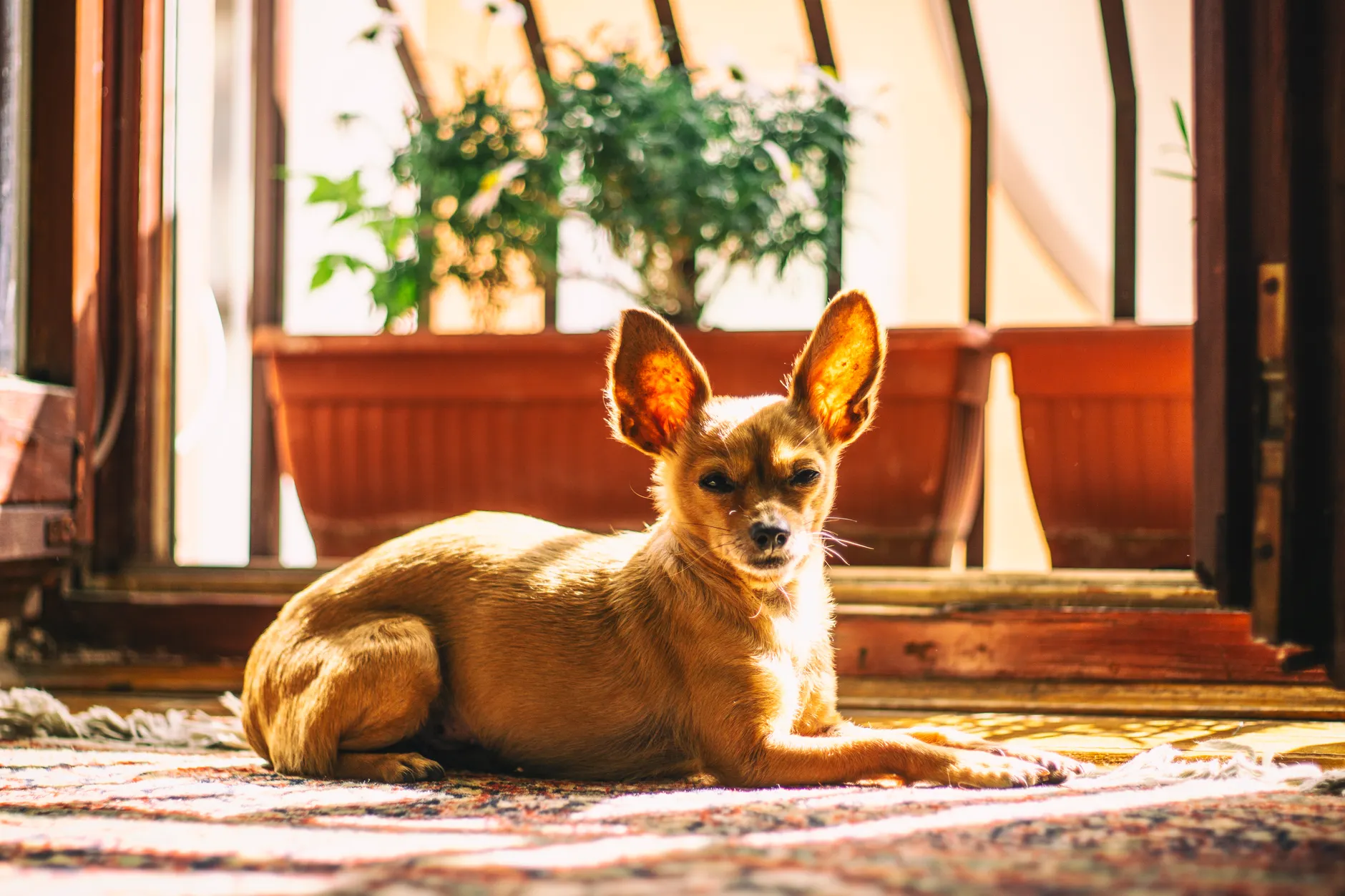
Ear problems are among the top five reasons dogs visit the vet, and most are preventable with routine cleaning and early detection. Yet ear care is one of the most overlooked parts of home grooming — many owners only think about their dog's ears once they see head shaking, scratching, or smell something off. This guide covers how the canine ear works, which breeds carry the highest risk, how to clean ears safely, and how to tell normal wax from the early signs of infection.
How the canine ear canal works
Understanding the anatomy explains why dogs are more ear-infection-prone than humans. A dog's ear canal is not a straight tube — it is L-shaped. It drops vertically from the ear opening (the vertical canal), then makes a roughly 90-degree turn inward toward the eardrum (the horizontal canal).
This L-shape means that debris, moisture, and wax that enter the ear do not drain out easily. In humans, the ear canal is nearly horizontal, so gravity assists natural drainage. In dogs, material settles at the bottom of the vertical canal or lodges at the bend, creating a warm, dark, moist pocket — the ideal environment for yeast and bacteria.
The ear canal is lined with skin that produces cerumen (ear wax), which traps debris and has mild antimicrobial properties. A small amount of wax is normal and healthy. The problem starts when excess moisture, allergies, or obstruction disrupts the canal's self-cleaning mechanism and wax or debris accumulates faster than it can clear.
Why ear type matters: breed-specific risk factors
Not all dog ears carry the same infection risk. Three anatomical factors drive susceptibility: ear flap shape, canal hair density, and canal diameter.
Pendant (floppy) ears — highest risk
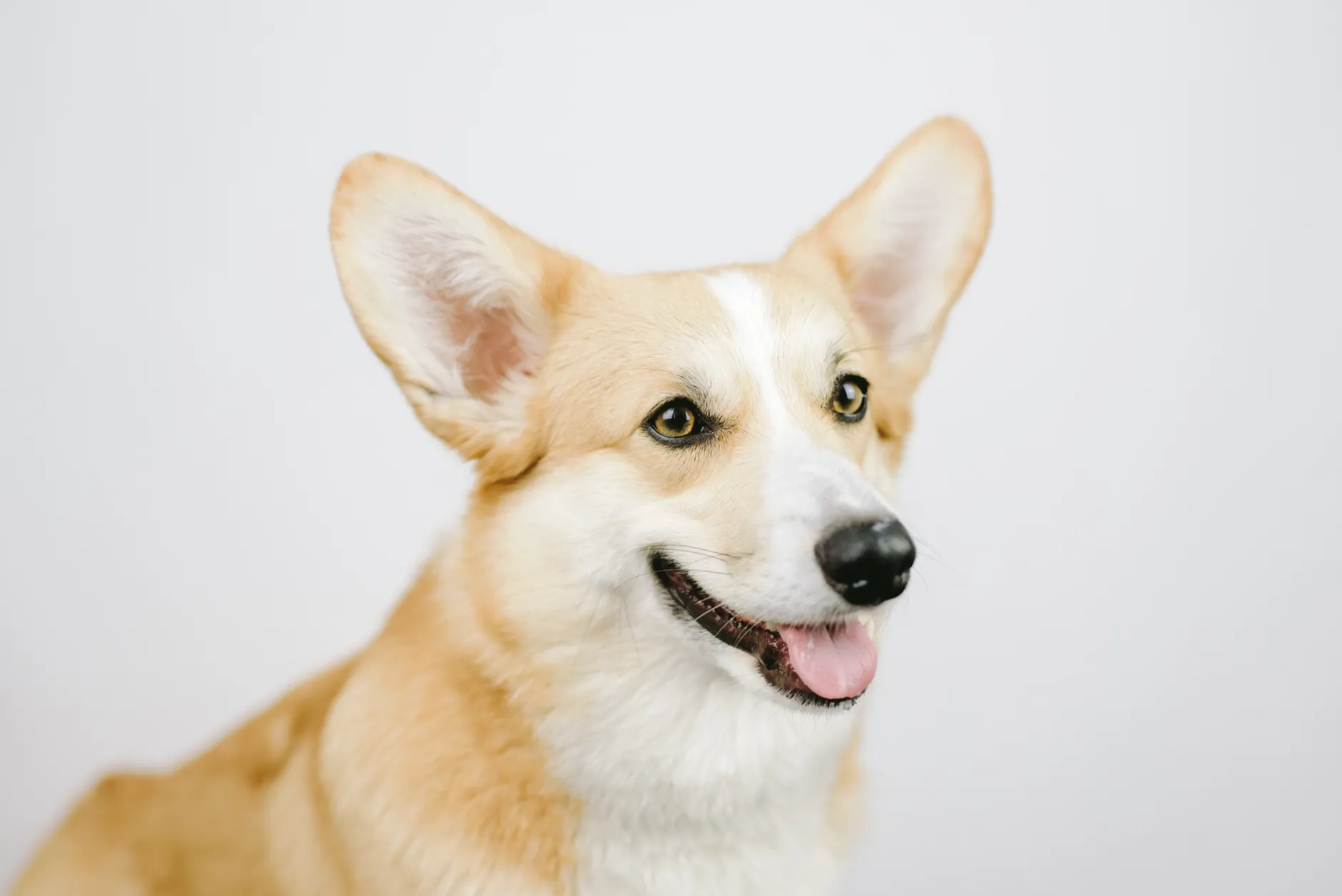
Breeds with long, heavy ear flaps — Cocker Spaniels, Basset Hounds, Cavalier King Charles Spaniels, Golden Retrievers, and Labrador Retrievers — have ears that cover and seal the canal opening. This reduces airflow, traps heat and moisture, and creates the warm, humid conditions that yeast and bacteria thrive in. Cocker Spaniels are particularly prone because they also have narrow ear canals and dense hair growth inside the canal, compounding all three risk factors.
Semi-erect and rose ears — moderate risk
Breeds like Border Collies and some terrier types have ears that fold forward at the tip or flare outward. These allow more airflow than fully pendant ears but still partially cover the canal. Infection risk is moderate and increases during humid seasons or after water exposure.
Erect ears — lowest risk
Breeds with fully upright ears — German Shepherds, Siberian Huskies, Australian Cattle Dogs — benefit from maximum airflow. The open canal dries naturally and debris is less likely to accumulate. These breeds still need periodic ear checks, but infections are significantly less common unless allergies or other health conditions are present.
Hairy ear canals — compounding factor
Some breeds grow dense hair inside the ear canal itself. Poodles, Bichon Frises, Shih Tzus, and many terrier types have significant inner-ear hair. This hair can trap wax and moisture against the canal lining. Whether to pluck this hair is debated — see the section on ear hair plucking below.
| Ear type | Airflow | Infection risk | Recommended cleaning frequency |
|---|---|---|---|
| Erect | High | Low | Every 3 to 4 weeks |
| Semi-erect / rose | Moderate | Moderate | Every 2 to 3 weeks |
| Pendant (floppy) | Low | High | Every 1 to 2 weeks |
| Pendant + hairy canal | Very low | Very high | Weekly (monitor closely) |
What you need for ear cleaning
Gather everything before you start — interrupting a cleaning session to find supplies makes the experience longer and more stressful for your dog.
- Veterinary ear cleaning solution — a pH-balanced, drying formula designed for canine ear canals. Avoid alcohol-based solutions (they sting on irritated tissue) and hydrogen peroxide (too harsh for routine use). Your vet can recommend a specific product.
- Cotton balls or gauze pads — for wiping out loosened debris. Never use cotton swabs (Q-tips) inside the canal. They push debris deeper, pack wax against the eardrum, and risk puncturing the tympanic membrane if the dog moves suddenly.
- Towel — your dog will shake their head vigorously after solution is applied; a towel protects your clothes and walls.
- High-value treats — for positive association and reward after cleaning.
- Good lighting — you need to see inside the ear to assess colour, wax, and any discharge before and after cleaning.
Step-by-step ear cleaning protocol
This process works for routine maintenance cleaning on healthy ears. If your dog's ears are red, swollen, painful, or have unusual discharge, skip cleaning and see your vet — cleaning an infected ear can drive bacteria deeper or rupture a compromised eardrum.
- Inspect first: Lift the ear flap and look inside. Healthy tissue is pale pink with minimal light tan wax. Note any redness, swelling, excess wax, dark discharge, or odour. If anything looks abnormal, stop and consult your vet.
- Position your dog: Sit beside your dog on the floor or have a helper steady them. For small dogs, placing them on a raised non-slip surface can make access easier. Hold the ear flap up and back to straighten the vertical canal as much as possible.
- Apply the solution: Hold the bottle tip just above the ear canal opening (do not insert the tip into the canal). Squeeze enough solution to fill the visible canal opening — typically 5 to 10 drops for small dogs, a steady 2-to-3 second stream for large dogs. Let gravity pull the solution down.
- Massage the base of the ear: Fold the ear flap down and massage the cartilage at the base of the ear (you will feel a firm, tube-like structure beneath the skin) for 20 to 30 seconds. You should hear a soft squishing sound as the solution works through the canal. This step is critical — it breaks up wax and debris lodged at the L-shaped bend.
- Let the dog shake: Release the ear and step back. Your dog will shake their head vigorously — this is normal and desirable. The shaking brings loosened debris and excess solution up and out of the canal. Hold a towel nearby to block splatter.
- Wipe the visible ear: Use a cotton ball or gauze pad to gently wipe out the inner ear flap and the visible opening of the canal. Remove all visible debris and excess solution. Do not push cotton into the canal — clean only what you can see.
- Repeat if very dirty: If the cotton ball comes out heavily soiled, repeat steps 3 through 6 once. For routine cleaning, one pass is usually sufficient.
- Reward: Give your dog a high-value treat immediately after finishing each ear. Keep the entire session calm and unhurried.
The entire cleaning process should take 2 to 3 minutes per ear. If your dog needs extensive cleaning or has significant buildup, schedule a vet visit for a professional deep clean rather than trying to resolve it in one home session.
Signs of ear problems: normal vs concerning
Learning what is normal for your dog's ears makes it much easier to catch problems early — before they become painful or expensive to treat. Check your dog's ears weekly as part of your grooming routine, even if you are not doing a full cleaning.
| Observation | Normal | Concerning — see your vet |
|---|---|---|
| Colour | Pale pink, smooth skin | Red, inflamed, or darkened skin |
| Wax | Light tan or honey, thin layer | Dark brown, black, yellow-green, or excessive amount |
| Odour | Minimal or no smell | Yeasty, musty, or foul odour |
| Behaviour | Occasional head shake or ear scratch | Persistent head shaking, tilting, pawing at ear, crying when ear is touched |
| Discharge | None beyond normal wax | Pus, crumbly dark debris, or blood |
| Swelling | Ear flap and canal look normal | Puffy ear flap (possible aural haematoma) or narrowed canal |
Ear mites vs yeast vs bacterial infections
These three conditions account for the vast majority of canine ear infections. Each has different symptoms and requires different treatment, which is why veterinary diagnosis matters — using the wrong approach wastes time and can make the problem worse.
| Condition | Typical discharge | Odour | Common in | Treatment |
|---|---|---|---|---|
| Ear mites | Dark, crumbly, coffee-ground-like debris | Mild or none | Puppies, shelter/kennel dogs | Prescription antiparasitic drops; environmental treatment |
| Yeast infection | Thick brown or yellowish waxy buildup | Musty, bread-like | Floppy-eared breeds, dogs with allergies | Antifungal ear drops; address underlying allergy |
| Bacterial infection | Yellow-green pus-like discharge | Foul, rotten | Swimmers, dogs with chronic moisture | Antibiotic ear drops; culture and sensitivity test in severe cases |
Mixed infections (yeast plus bacteria) are common, especially in chronic cases. A vet will examine an ear swab under a microscope (cytology) to determine exactly what organisms are present and prescribe targeted treatment. Over-the-counter ear drops marketed as treating "all ear infections" rarely address the actual cause and can delay proper treatment.
Recurrent ear infections (three or more episodes per year) almost always have an underlying cause — most commonly environmental allergies, food allergies, or hormonal conditions such as hypothyroidism. If your dog keeps getting ear infections despite good ear hygiene, ask your vet about allergy testing. See our allergies and skin conditions guide for more on the allergy investigation process.
The ear hair plucking debate
For decades, routine ear hair plucking was standard practice in grooming salons: remove the hair, improve airflow, prevent infections. More recent veterinary thinking has become more nuanced.
Plucking causes micro-trauma to the hair follicles, which triggers localised inflammation and can temporarily increase susceptibility to infection — the opposite of its intended effect. Studies suggest that routine plucking in dogs with healthy ears may cause more problems than it prevents.
The current evidence-based position:
- Healthy ears with ear hair: Leave the hair alone. Monitor for wax buildup and clean on schedule. If the dog has never had ear infections, plucking is unlikely to benefit them.
- Recurrent infections in breeds with dense ear canal hair: Plucking may be beneficial when the hair is clearly trapping debris and contributing to infection cycles. Have a vet or experienced groomer assess whether the hair is part of the problem before starting a plucking routine.
- How to pluck (when indicated): Pull small amounts of hair at a time in the direction of growth using haemostats or fingers with ear powder for grip. Work in the outer canal only — never probe deep into the canal. Apply ear cleaning solution afterward to flush out loose hair and debris.
Swimming and ear care
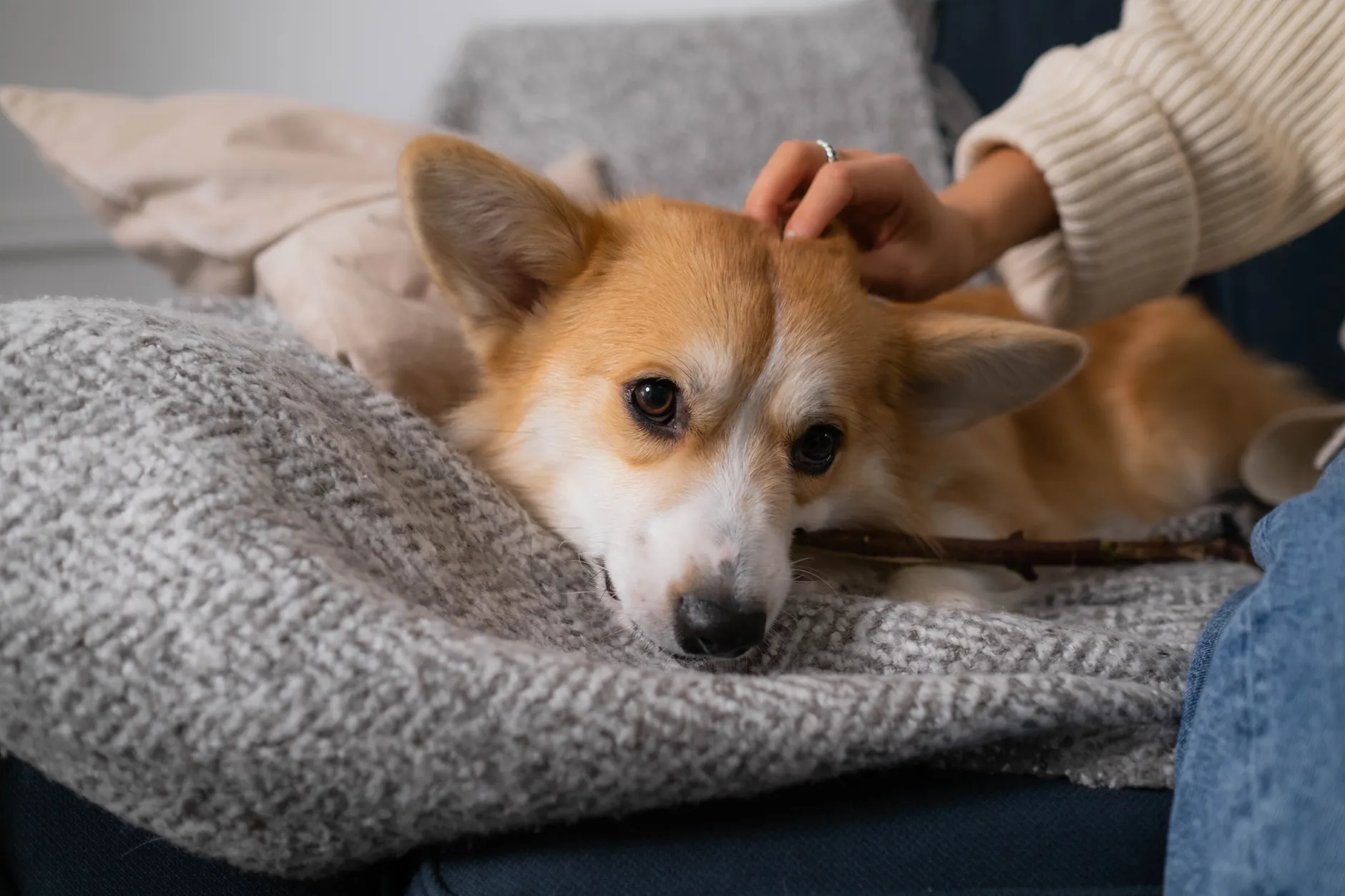
Water-loving breeds like Labrador Retrievers, Golden Retrievers, and Portuguese Water Dogs face elevated ear infection risk because of repeated water exposure. Fresh water, salt water, and chlorinated pool water all contribute — any moisture trapped in the L-shaped canal that is not dried creates infection-friendly conditions.
Follow this post-swim protocol every time:
- Gently tilt your dog's head to each side and let excess water drain out.
- Use a soft, absorbent towel to dry the ear flaps and the visible part of the canal opening.
- Apply a veterinary ear drying solution (these contain drying agents that evaporate trapped moisture from deeper in the canal). Follow the product's directions — most require a few drops and a brief base massage.
- Allow your dog to shake their head (they will want to).
- Check ears the next day for redness, excess moisture, or odour changes.
For dogs that swim multiple times per week, discuss a preventive ear care protocol with your vet. Some veterinarians recommend a half-strength vinegar-and-water rinse as a low-cost drying agent, but check first — vinegar should never be used if the eardrum is compromised or if there are open sores in the canal.
When to skip home cleaning and see a vet
Home ear cleaning is for maintenance — keeping healthy ears healthy. It is not a treatment for infection, injury, or chronic conditions. See your vet instead of cleaning at home if:
- The ear is red, swollen, or hot to the touch
- Your dog cries, pulls away, or snaps when you touch the ear
- There is dark, foul-smelling, or pus-like discharge
- The ear flap is puffy or swollen (possible aural haematoma — a blood-filled pocket between the ear cartilage layers, usually caused by vigorous head shaking)
- Your dog is shaking their head constantly or tilting it to one side
- You see a foreign body (grass seed, foxtail) lodged in or near the canal
- Your dog has had ear surgery or has a known eardrum perforation
Foreign bodies, especially grass awns and foxtails, are a seasonal emergency in many regions. These barbed plant fragments migrate deeper into the canal with every head shake and can puncture the eardrum. If you suspect a foreign body, do not attempt removal at home — a vet needs an otoscope and sometimes sedation to extract it safely.
Building ear care into your grooming routine
The most effective ear care is the kind you actually do consistently. Rather than treating ear cleaning as a separate chore, integrate it into your regular grooming schedule:
- Weekly visual check: Every time you brush your dog, lift each ear flap and look inside. Takes 10 seconds per ear and catches problems early.
- Cleaning on schedule: Set a repeating reminder based on your dog's ear type (see the frequency table above). Use the Dog Grooming Schedule Generator to build a personalised calendar that includes ear care alongside brushing, bathing, and nail trims.
- Post-activity cleaning: After swimming, rain walks, or muddy play, do a quick ear dry and check even if a scheduled cleaning is not due.
- Seasonal awareness: Ear infections spike in spring and summer when humidity rises and allergens are most active. Increase monitoring frequency during warm, humid months. See our seasonal grooming tips for more on adjusting routines across the year.
Early detection is the single most valuable ear care habit. An ear infection caught on day one is a $50 vet visit and a week of ear drops. An ear infection ignored for two weeks can become a $300 or more treatment with potential complications. Make the 10-second weekly check non-negotiable.
Frequently asked questions
- How often should I clean my dog's ears?
- It depends on ear type and activity. Dogs with erect ears (German Shepherds, Siberian Huskies) typically need cleaning every 3 to 4 weeks. Dogs with pendant or floppy ears (Cocker Spaniels, Basset Hounds, Cavalier King Charles Spaniels) need cleaning every 1 to 2 weeks because reduced airflow traps moisture and debris. Dogs that swim regularly should have their ears cleaned after every swim session, regardless of ear type.
- Can I use water or hydrogen peroxide to clean my dog's ears?
- Water should not be used because it does not evaporate quickly and creates a moist environment that promotes yeast and bacterial growth. Hydrogen peroxide is too harsh for the delicate ear canal lining and can cause irritation or chemical burns with repeated use. Use a veterinary-formulated ear cleaning solution, which contains drying agents that evaporate residual moisture and are pH-balanced for the canine ear canal.
- What does a healthy dog ear look like compared to an infected one?
- A healthy ear has pale pink, smooth skin with minimal light tan or honey-coloured wax and no detectable odour. An infected ear typically shows redness, swelling, dark brown or black discharge, a strong yeasty or foul smell, and the dog may scratch at it, shake their head repeatedly, or tilt their head to one side. If you see any of these signs, consult your vet rather than attempting to clean the infection at home.
- Should I pluck the hair from inside my dog's ears?
- The ear hair plucking debate has shifted in veterinary practice. Current evidence suggests routine plucking of healthy ears with hair is unnecessary and can cause micro-inflammation that increases infection risk. Plucking is appropriate only when dense ear hair is trapping moisture and debris and contributing to recurrent infections, and ideally should be done by a groomer or vet who can assess whether the hair is actually causing problems. If your dog has never had ear infections, leave the hair alone.
- My dog screams or pulls away when I try to clean their ears. What should I do?
- Pain during ear cleaning often means an existing infection or injury that makes the canal tender. Stop cleaning and have a vet examine the ears before proceeding. If the ears are healthy and the dog is simply anxious, use gradual desensitisation: handle the ears without cleaning for several days (pairing each touch with a high-value treat), then introduce the solution bottle visually, then apply a drop to the ear flap only, and finally work toward a full cleaning over 1 to 2 weeks.
- How can I tell the difference between ear mites and a yeast infection?
- Ear mites produce dark, crumbly, coffee-ground-like debris and intense itching. They are most common in puppies and dogs with recent shelter or kennel exposure. Yeast infections produce a thick, brown or yellowish waxy discharge with a distinctly musty or bread-like odour. Bacterial infections tend to produce a yellow-green pus-like discharge with a foul smell. All three require veterinary diagnosis because the treatments are different, and using the wrong treatment delays recovery.
- Do dogs that swim need special ear care?
- Yes. Water trapped in the ear canal after swimming creates an ideal environment for bacterial and yeast infections, commonly called "swimmer's ear." After every swim session, gently dry the outer ear with a soft towel and apply a veterinary ear drying solution to evaporate residual moisture from the canal. Dogs that swim weekly or more frequently should have their ears checked by a vet every 6 months for early signs of chronic moisture damage.


