
Pug
Stocky, flat-faced companion breed with a charming personality; exceptionally people-focused and adaptable, but with significant breathing limitations in heat or high exercise.
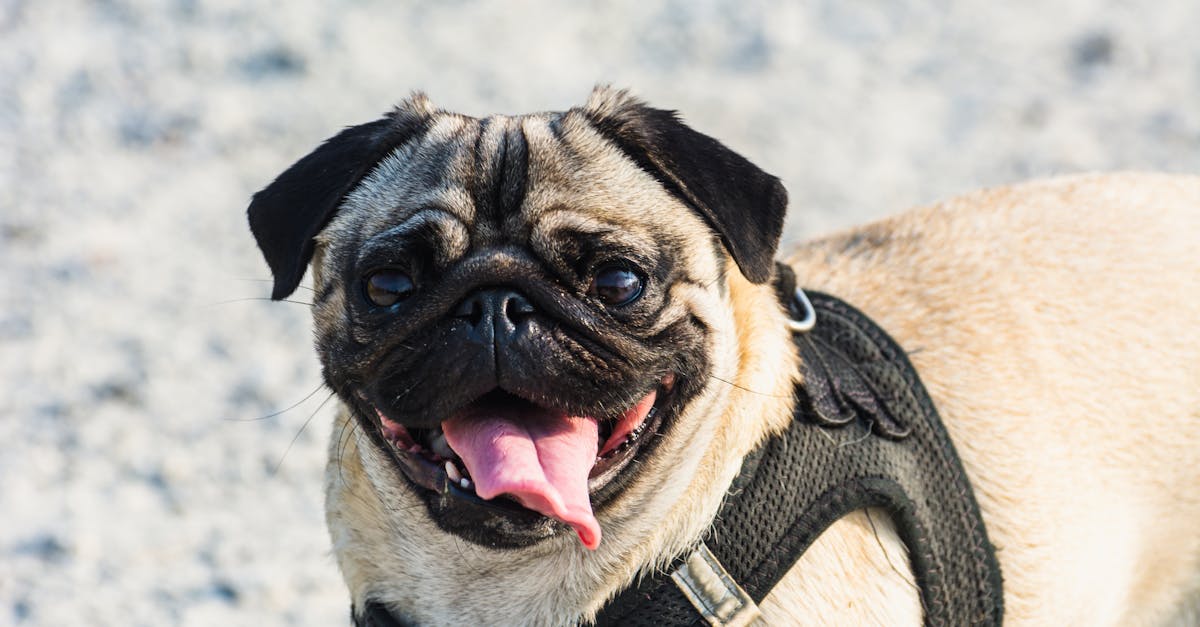
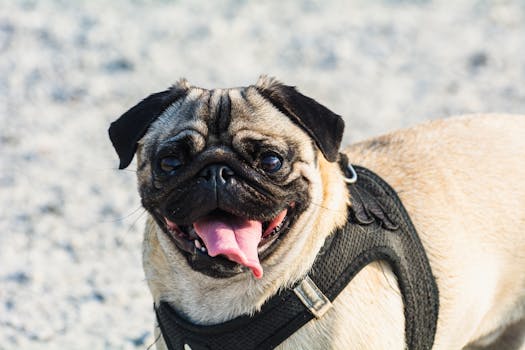
Photo by Davide Negro on Pexels
Quick facts: Pug
- Size
- Small
- Weight
- 6.4–8.2 kg
- Origin
- China
- Life span
- 13–15 years
- Temperament
- Charming, mischievous, loving, adaptable
- Energy level
- Low
- Grooming needs
- Low
- Trainability
- Medium
- Apartment fit
- Very‑high
- Typical annual cost
- ~$1,900
Is the Pug right for you?
Best for
- Families with children of all ages
- Apartment or city dwellers wanting a calm, low-exercise breed
- First-time owners attracted to an affectionate, manageable personality
- Owners in temperate climates with air conditioning
Not ideal if
- Active owners who want a jogging or hiking companion
- Hot or humid climate regions without reliable air conditioning
- Owners seeking a low-veterinary-cost breed
- Households where the dog will be left alone for long hours
An affectionate, low-exercise companion ideal for families and apartments — but serious health costs and heat sensitivity are non-negotiable considerations.
Trait snapshot
Pug is part of the Toy Group — see group tendencies →
What owners actually say
Pugs are beloved companions with serious health costs — owners are devoted to the personality but consistently report that vet bills and breathing limitations are bigger than expected.
- Health reality
Breathing difficulties are not quirky or cute — they are a structural condition (Brachycephalic Obstructive Airway Syndrome) affecting most Pugs to some degree. Owners describe the snoring as manageable but report that any sustained exercise, heat, or stress quickly causes laboured breathing that requires rest. Some Pugs require corrective surgery.
- Health reality
Eye injuries and infections are disproportionately common due to the prominent shallow eye sockets. Owners are frequently surprised by how quickly an eye issue can escalate — corneal ulcers in particular require immediate vet attention. Eye cleaning becomes a routine part of ownership.
- Grooming
The facial wrinkles and skin folds need regular cleaning — neglected folds develop infections and odour quickly. Most owners incorporate fold cleaning into their weekly routine. It is simple but must be consistent.
- General
The Pug temperament — affectionate, clownish, and endlessly people-oriented — is exactly as advertised. Owners consistently describe the personality as the reason they stay in the breed despite the health challenges. Pugs are genuinely excellent companion dogs when their health needs are managed.
- Training
Food-motivated and agreeable, but can be stubborn. Training works best in very short sessions with high-value treats. Pugs are not going to excel in agility or advanced obedience, but they learn household manners and basic cues without difficulty when the approach is positive.
- Alone time
Highly people-dependent. Pugs that are left alone for long periods become vocal and anxious. They are best suited to households where someone is usually present. Their physical limitations (breathing, overheating) also mean that long crate time in warm rooms is genuinely risky.
Editorial summary based on owner accounts and breed community feedback.
Cost snapshot
Range $1,100–$3,200
Range $2,200–$6,500
After first year
Annual breakdown
Assumptions used:
- Brachycephalic health costs — BOAS evaluation and possible surgery is common
- Wrinkle and skin fold cleaning required several times weekly
Last reviewed: 2026-06-20
Read full methodology →Health watchlist
Health information is educational only. Always consult your veterinarian.
Brachycephalic Obstructive Airway Syndrome (BOAS)
Pugs are brachycephalic (flat-faced), which causes structural breathing difficulties in all individuals to some degree. Symptoms include laboured breathing, snoring, and exercise intolerance. Surgical correction is commonly required. Extreme heat and over-exertion can be life-threatening. Consult your vet for guidance specific to your dog.
Eye conditions
Pugs' prominent eyes are prone to corneal ulcers and scratches. Eye prolapse (proptosis), while uncommon, is more likely than in non-brachycephalic breeds. Regular eye checks are recommended. Consult your vet for guidance specific to your dog.
Obesity
Pugs are highly food-motivated and have limited exercise capacity due to breathing constraints, creating a significant obesity risk. Weight management is critical, as excess weight worsens breathing difficulties. Consult your vet for guidance specific to your dog.
Dental crowding
The shortened muzzle causes dental crowding and periodontal disease. Regular dental care is essential. Consult your vet for guidance specific to your dog.
Check your fit
Answer a few questions to see how a Pug fits your household.
Frequently asked questions
Are Pugs good family dogs?
Can Pugs handle hot weather?
Do Pugs shed a lot?
How much does a Pug cost in vet bills?
What health problems are Pugs prone to?
How much grooming does a Pug need?
Are Pugs easy to train?
Are Pugs good apartment dogs?
Are Pugs good for first-time owners?
How long do Pugs live?
Tools for Pug owners
Similar breeds to the Pug
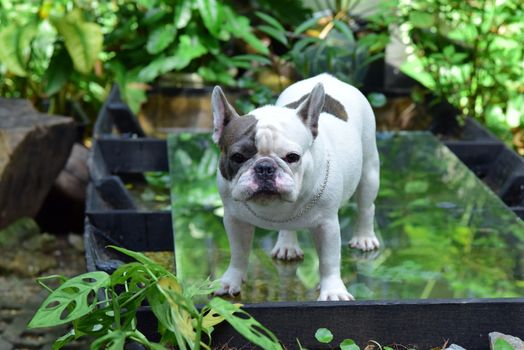
Compact companion bred for city life; playful and affectionate with a calm, clownish streak.
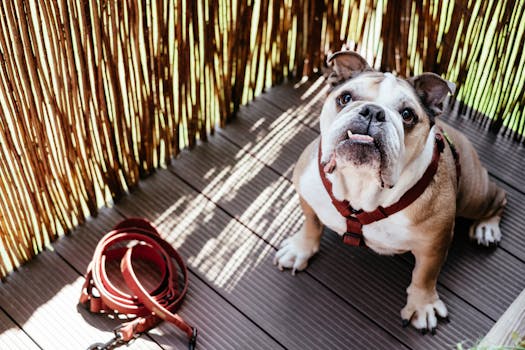
Companion bulldog with heavy build; affectionate and calm indoors, moderate exercise needs.
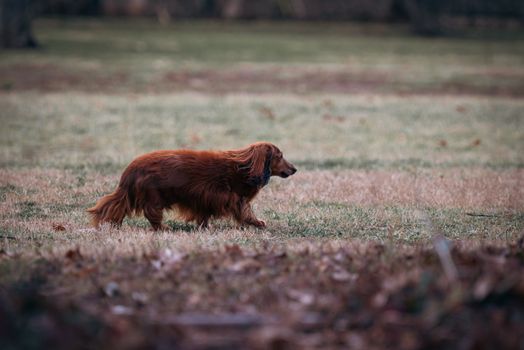
Low-slung scent hound developed for badger work; courageous, playful, and distinct in outline.
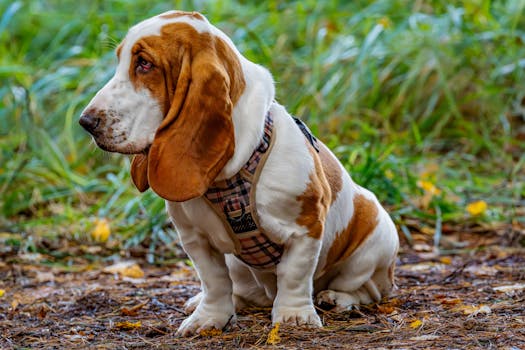
Charming, low-slung scent hound; remarkably good-natured and low-energy indoors but notoriously stubborn, prone to baying, and will follow any interesting scent off-lead.

Aristocratic toy spaniel; gentle, affectionate, and deeply devoted to people with serious cardiac health considerations.
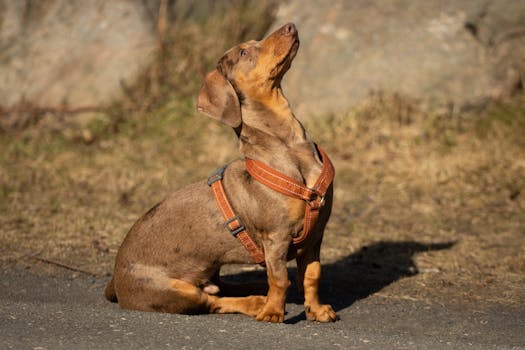
Spirited, clever, and boldly confident despite their small frame, Miniature Dachshunds are devoted companions with a famously stubborn streak and a spine that demands careful, lifelong management.
Compare & learn more
What matters most for a family dog?
Help improve PupWiki with one quick anonymous answer.
Find my breed match →