
Miniature Poodle
Highly intelligent, low-shedding small breed; ideal for apartments, allergy-sensitive households, and owners who want serious trainability in a compact package.

Photo by Anna Bondarenko on Pexels
Quick facts: Miniature Poodle
- Size
- Small
- Weight
- 2.3–4.1 kg
- Origin
- Germany / France
- Life span
- 14–18 years
- Temperament
- Intelligent, active, alert, playful, trainable
- Energy level
- High
- Grooming needs
- Very‑high
- Trainability
- Very‑low
- Apartment fit
- Very‑high
- Typical annual cost
- ~$1,900
Is the Miniature Poodle right for you?
Best for
- Apartment dwellers wanting a smart, trainable small breed
- Allergy-sensitive households (low shedding, minimal dander spread)
- Owners who enjoy training and want a highly responsive breed
- Families with children of all ages
Not ideal if
- Those unable to commit to professional grooming every 6–8 weeks
- Owners wanting a low-maintenance coat
- Those wanting a calm, low-drive breed (Miniature Poodles are active and need engagement)
One of the best all-round small breeds — highly trainable, low-shedding, long-lived, and apartment-friendly with consistent grooming commitment.
Trait snapshot
What owners actually say
Miniature Poodle owners consistently rank them among their best dogs ever — and are clear-eyed about the grooming commitment that comes with the coat.
- Training
The trainability genuinely astounds new owners. Commands learned in one or two sessions. Many Miniature Poodle owners complete multiple obedience or agility titles — the breed seems to find training genuinely enjoyable.
- Grooming
The grooming commitment is real and ongoing. Professional clipping every 6-8 weeks plus home brushing every few days. Owners who skip brushing describe rapid matting. The cost adds up significantly over the breed's long lifespan.
- Apartment life
One of the most genuinely apartment-compatible breeds. Calm indoors, low-shedding, and quiet enough for shared-wall buildings. Owners in city flats describe the breed as an ideal urban companion.
- Shedding
The low shedding is as advertised. Owners who moved from heavy-shedding breeds describe the difference as dramatic. The curly coat traps loose hair rather than depositing it everywhere.
- General
Exceptional lifespan. 15-18 year Miniature Poodles are not unusual, which means a very long commitment. Owners describe this as the biggest advantage of the breed — more years with a wonderful dog.
- Health reality
Epilepsy appears in the breed more often than most new owners expect. Owners with affected dogs describe it as manageable with medication but emphasise the importance of having a vet familiar with the condition.
Editorial summary. Phase 3 will add structured owner survey data.
Cost snapshot
Range $1,100–$3,200
Range $2,200–$6,500
After first year
Annual breakdown
Assumptions used:
- Professional grooming every 6–8 weeks is a significant ongoing cost
- Long lifespan (14–18 years) means substantial lifetime commitment
- Generally healthy breed; lifetime vet costs moderate
Last reviewed: 2026-06-20
Read full methodology →Health watchlist
Health information is educational only. Always consult your veterinarian.
Hip dysplasia and patellar luxation
Both conditions occur in the breed at moderate rates. OFA hip and patellar evaluations are available and used by responsible breeders. Consult your vet.
Progressive Retinal Atrophy (PRA)
PRA (prcd form) is documented in the breed. DNA testing is available and used by responsible breeders. Annual CAER eye certification is also recommended. Consult your vet.
Epilepsy
Idiopathic epilepsy is more common in Poodles than in many other breeds. Management is possible. Discuss with your vet if seizures occur.
Dental disease
Small breeds are prone to dental issues. Regular brushing and professional cleanings are recommended. Consult your vet for guidance specific to your dog.
Addison's disease
Hypoadrenocorticism occurs at above-average rates in Poodles. Watch for lethargy, vomiting, or poor appetite. Consult your vet for guidance specific to your dog.
Check your fit
Answer a few questions to see how a Miniature Poodle fits your household.
Frequently asked questions
Are Miniature Poodles hypoallergenic?
How much grooming does a Miniature Poodle need?
Are Miniature Poodles good with children?
What is the difference between a Miniature and a Standard Poodle?
How much does it cost to own a Miniature Poodle?
What health problems are Miniature Poodles prone to?
Are Miniature Poodles easy to train?
Are Miniature Poodles good apartment dogs?
Are Miniature Poodles good for first-time owners?
How long do Miniature Poodles live?
Tools for Miniature Poodle owners
Similar breeds to the Miniature Poodle

Compact, spirited terrier type with a wiry low-shedding coat; adaptable, alert, and highly trainable.

Toy terrier bred for ratting; confident and sprightly with a long silky coat.

Small rugged terrier from Australia; alert, spirited, loyal, and packed with old-school vermin-hunting grit.
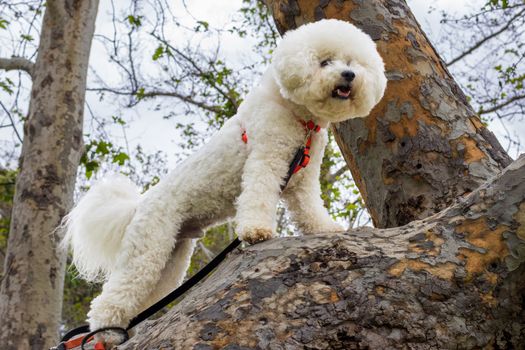
Small, curly-coated companion dog; cheerful, low-shedding, and highly sociable, but requiring intensive grooming and prone to separation anxiety.

Small Madagascar companion with a cottony coat, cheerful temperament, and strong desire to stay close to its people.
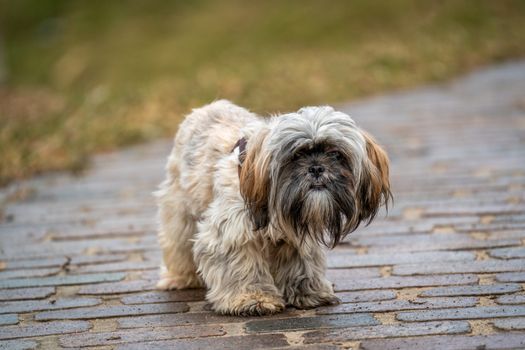
Regal Chinese lap dog bred for palace life; affectionate, sturdy, and highly adaptable to apartment living with demanding coat care.
Compare & learn more
Head-to-head comparisons


Do you prefer purebred, mixed breed, or either?
Help improve PupWiki with one quick anonymous answer.
Find my breed match →