
Yorkshire Terrier
Toy terrier bred for ratting; confident and sprightly with a long silky coat.
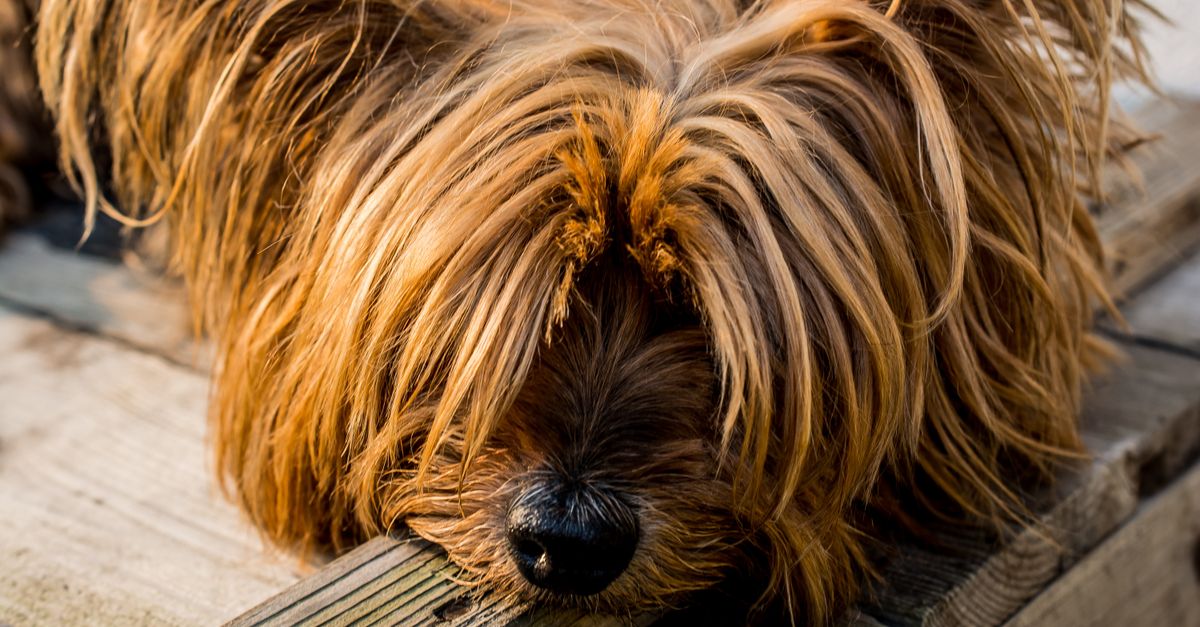
Quick facts: Yorkshire Terrier
- Size
- Toy
- Weight
- 1.8–3.2 kg
- Origin
- England
- Life span
- 13–16 years
- Temperament
- Feisty, alert, affectionate, bold
- Energy level
- High
- Grooming needs
- Very‑high
- Trainability
- Medium
- Apartment fit
- Very‑high
- Typical annual cost
- ~$1,600
Is the Yorkshire Terrier right for you?
Best for
- Apartment and city residents
- Owners seeking a devoted, lap-oriented companion
- Those comfortable with regular professional grooming
Not ideal if
- Households with very young children (fragile size)
- Owners who are away long hours
- Those wanting a low-grooming or low-maintenance breed
A bold, devoted toy companion with high grooming needs and a big-dog personality.
Trait snapshot
Yorkshire Terrier is part of the Toy Group — see group tendencies →
What owners actually say
Yorkie owners learn quickly about dental care, harness requirements, and the terrier temperament hidden inside the toy-breed packaging.
- Health reality
Yorkie owners who skipped regular dental care consistently describe the outcome: severely diseased teeth requiring expensive extractions, chronic mouth pain affecting eating, and ongoing bad breath. Daily tooth brushing from puppyhood is one of the most health-impactful habits an owner can establish.
- General
New Yorkie owners sometimes expect a quiet, placid companion and instead discover a tenacious, bold dog with strong opinions and a genuine hunting instinct. Yorkies will chase squirrels, confront much larger dogs, and dig with enthusiasm. Expectations need calibrating away from 'handbag dog' assumptions.
- Grooming
Owners who choose to maintain a long coat describe it as a near-daily task to prevent painful matting. Those who switch to a short puppy cut say it transforms the maintenance burden. The decision about coat length is one of the first practical choices new Yorkie owners face.
- Health reality
Experienced Yorkie owners and vets are unanimous: a collar is not appropriate as an everyday walking accessory. The tracheal collapse risk, combined with the breed's tendency to lunge suddenly, makes collar-only walking a genuine health risk. A lightweight, well-fitted harness is the correct equipment.
- Alone time
Yorkies typically attach intensely to one primary person and can experience separation anxiety when that person is absent. Crate training from puppyhood and gradual independence practice reduce separation distress significantly.
- General
Yorkies have low body mass and a single-layer coat that provides little thermal insulation. In cold or wet weather, many Yorkies refuse to go outside willingly. A dog coat or jumper for winter walks is a functional comfort measure, not a cosmetic one.
Editorial summary based on owner accounts and breed community feedback.
Cost snapshot
Range $900–$2,800
Range $1,900–$5,500
After first year
Annual breakdown
Assumptions used:
- Toy breed food (low volume)
- Professional grooming every 6-8 weeks
- Long lifespan increases lifetime total
Last reviewed: 2026-06-20
Read full methodology →Health watchlist
Health information is educational only. Always consult your veterinarian.
Patellar luxation
Common in toy breeds. Regular vet checks and maintaining healthy weight help manage risk. Consult your vet for guidance specific to your dog.
Tracheal collapse
Use a harness instead of a collar. Know the symptoms (goose-honk cough) and discuss with your vet. Consult your vet for guidance specific to your dog.
Dental disease
Small breeds are prone to dental crowding and periodontal disease. Daily brushing or dental chews are beneficial. Consult your vet for guidance specific to your dog.
Check your fit
Answer a few questions to see how a Yorkshire Terrier fits your household.
Frequently asked questions
Are Yorkshire Terriers good apartment dogs?
How much grooming does a Yorkshire Terrier need?
Are Yorkshire Terriers good with children?
Do Yorkshire Terriers have health problems?
How much does it cost to own a Yorkshire Terrier?
Are Yorkshire Terriers easy to train?
Are Yorkshire Terriers good for first-time owners?
How long do Yorkshire Terriers live?
Tools for Yorkshire Terrier owners
Similar breeds to the Yorkshire Terrier
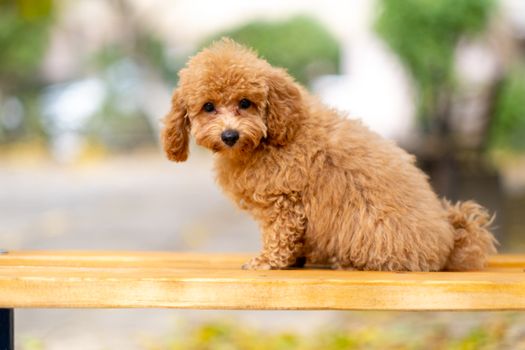
Highly intelligent, low-shedding small breed; ideal for apartments, allergy-sensitive households, and owners who want serious trainability in a compact package.
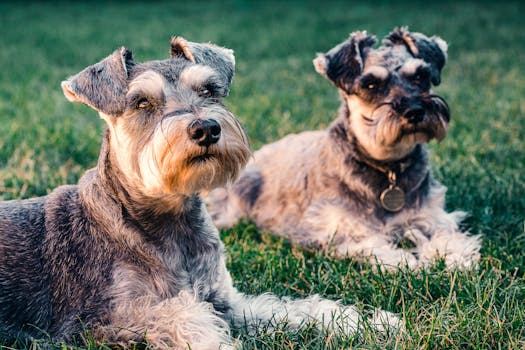
Compact, spirited terrier type with a wiry low-shedding coat; adaptable, alert, and highly trainable.
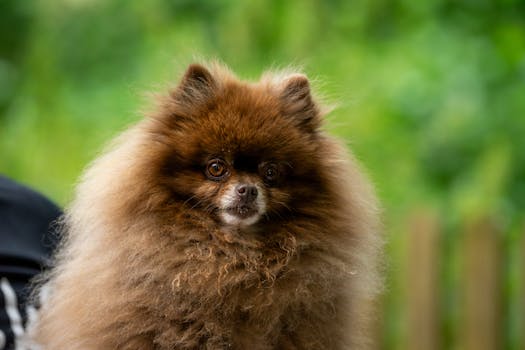
Tiny spitz-type dog with a bold personality and spectacular double coat; alert, lively, and deeply loyal to their person.
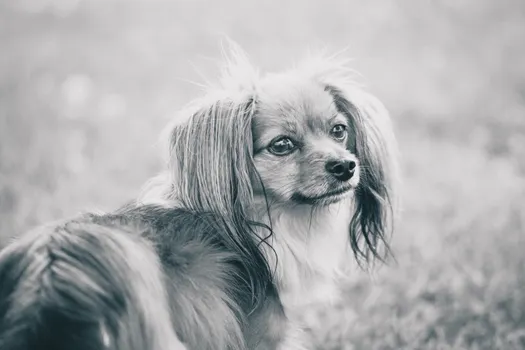
Tiny toy spaniel with butterfly ears, big athleticism, and standout trainability in a delicate package.
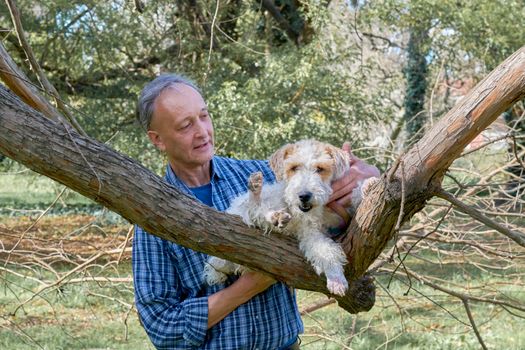
Compact, athletic, and deeply loyal, the Toy Fox Terrier packs genuine terrier tenacity and trainability into a tiny frame — an alert, lively companion that thrives on interaction and play.
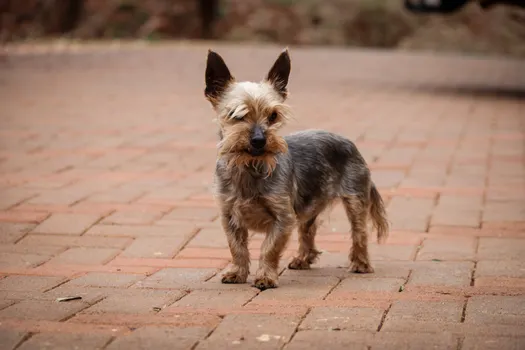
Small rugged terrier from Australia; alert, spirited, loyal, and packed with old-school vermin-hunting grit.
Compare & learn more
Head-to-head comparisons

What makes a breed feel beginner-friendly?
Help improve PupWiki with one quick anonymous answer.
Find my breed match →