
Labrador Retriever
Friendly gundog bred to retrieve in water; athletic, people-oriented, and eager to please.
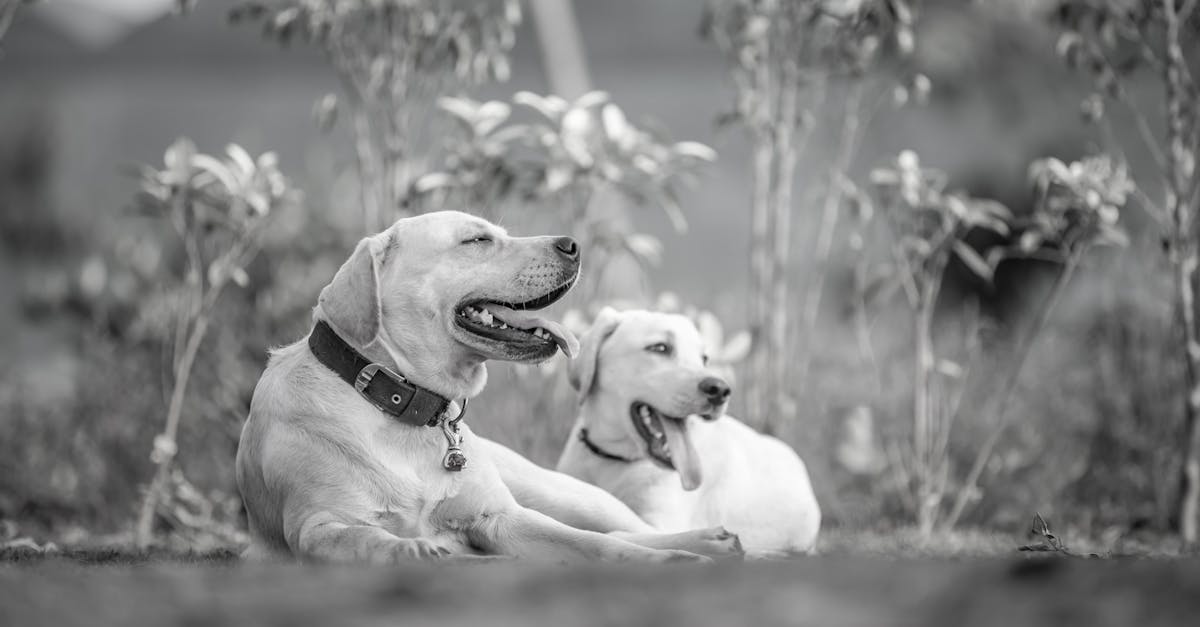
Photo by Anil Sharma on Pexels
Quick facts: Labrador Retriever
- Size
- Large
- Weight
- 29.5–36.3 kg
- Origin
- Canada
- Life span
- 10–12 years
- Temperament
- Outgoing, eager, biddable, gentle
- Energy level
- Very‑high
- Grooming needs
- Low
- Trainability
- Very‑low
- Apartment fit
- Medium
- Typical annual cost
- ~$2,700
Is the Labrador Retriever right for you?
Best for
- Active families with children
- Homes with gardens or outdoor access
- First-time owners willing to commit to exercise
- Those wanting an easy-to-train, friendly breed
Not ideal if
- Small apartments without outdoor access
- Owners away most of the day
- Households wanting a low-energy or independent dog
One of the most versatile family dogs — needs space, exercise, and weight management attention.
Trait snapshot
Labrador Retriever is part of the Sporting Group — see group tendencies →
What owners actually say
Labrador owners describe the breed as joyful and highly trainable but honest about the extended puppy phase, the shedding, and the weight management imperative.
- Training
Labs reach physical maturity around 18 months to 2 years, but many owners find the puppy brain — selective hearing, chewing, jumping, enthusiastic chaos — continues until age 3 or beyond. First-time Lab owners are often caught off-guard by how long the high-energy, needs-constant-supervision phase lasts.
- Shedding
Labs shed year-round and heavily, with two intense seasonal coat-blows. Hair appears on furniture, clothing, and in food. Weekly brushing helps, but during peak shedding periods daily brushing is more realistic. A high-quality vacuum is a non-optional purchase.
- Training
Labs are among the most food-motivated breeds, which makes training fast and satisfying. The same drive means many Labs will eat well past fullness if given the opportunity. Owners frequently underestimate how quickly weight creeps up with free-feeding or excess treats.
- Training
A 30+ kg Lab that hasn't been properly leash-trained is genuinely difficult to walk. Their size and enthusiasm create real management challenges. Owners who invest in consistent training from 8–12 weeks consistently report a far easier experience than those who start late.
- General
Most Labs are strongly and instinctively drawn to water — puddles, lakes, garden hoses. For active outdoor owners this is a fantastic trait. For owners in wet or muddy climates, it creates consistent grooming work. It is rarely something that can be trained away entirely.
- Health reality
Hip dysplasia risk is documented in the breed, but the severity experienced by individual dogs correlates strongly with their weight throughout life. Labs kept consistently lean tend to have better mobility and fewer joint complications — your veterinarian can advise on your dog's ideal weight range.
Editorial summary based on owner accounts and breed community feedback.
Cost snapshot
Range $1,700–$4,500
Range $2,800–$9,000
After first year
Annual breakdown
Assumptions used:
- Large breed food (higher volume)
- Minimal grooming cost
- Weight management is a recurring consideration
Last reviewed: 2026-06-20
Read full methodology →Health watchlist
Health information is educational only. Always consult your veterinarian.
Hip and elbow dysplasia
Common in the breed; look for OFA-certified parents and maintain a healthy weight. Consult your vet for guidance specific to your dog.
Obesity risk
Labs are highly food-motivated. Strict portion control and consistent exercise are essential throughout their life. Consult your vet for guidance specific to your dog.
Exercise-Induced Collapse (EIC)
A small percentage carry the EIC gene. DNA testing is available. Consult your vet for guidance specific to your dog.
Obesity
Labs carry a gene variant linked to increased appetite. Strict portion control and regular exercise are essential. Consult your vet for guidance specific to your dog.
Ear infections
Floppy ears and love of water make ear infections common. Dry ears after swimming and clean regularly. Consult your vet for guidance specific to your dog.
Check your fit
Answer a few questions to see how a Labrador Retriever fits your household.
Frequently asked questions
Do Labrador Retrievers need a yard?
Are Labrador Retrievers good for first-time owners?
How prone to obesity are Labrador Retrievers?
How much do Labrador Retrievers shed?
How much does it cost to own a Labrador Retriever?
How much grooming does a Labrador Retriever need?
Are Labrador Retrievers easy to train?
Are Labrador Retrievers good apartment dogs?
How long do Labrador Retrievers live?
Tools for Labrador Retriever owners
Similar breeds to the Labrador Retriever
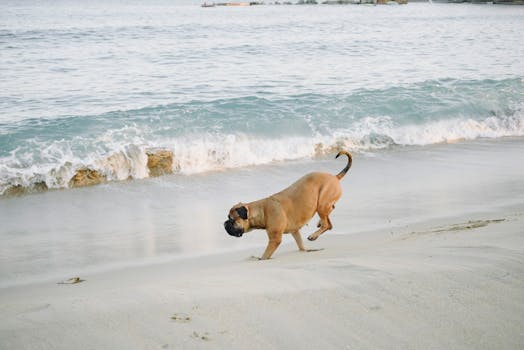
Muscular working and family guard; exuberant and people-loving with a clownish streak.
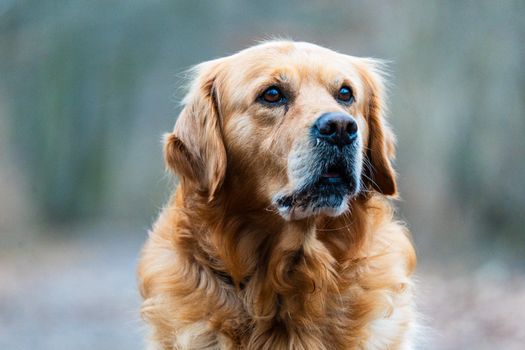
Soft-mouthed retriever with an easygoing nature and strong desire to work; thrives on companionship and activity.
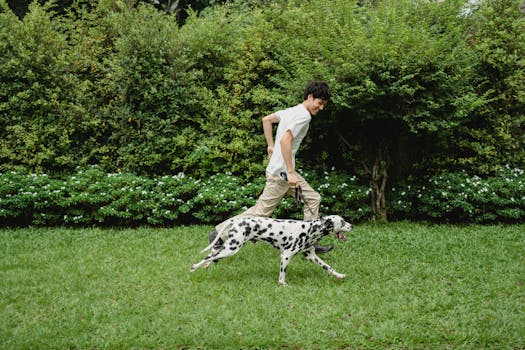
Iconic spotted carriage dog with very high endurance and energy; athletic and loyal but not suitable for sedentary households, first-time owners, or apartment living.
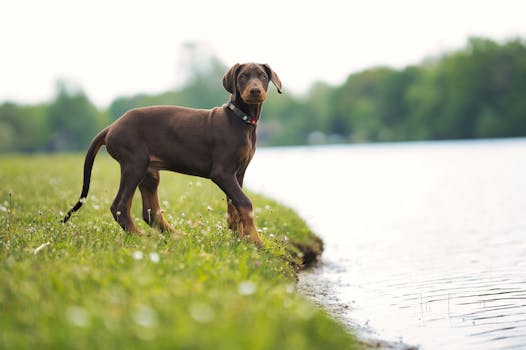
Powerful protection and working breed; highly intelligent, loyal, and among the most trainable dogs when given structure.
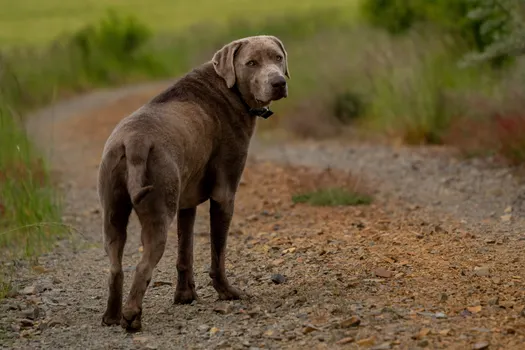
Powerful American water retriever with a waterproof coat, strong loyalty, and a more independent edge than many retrievers.
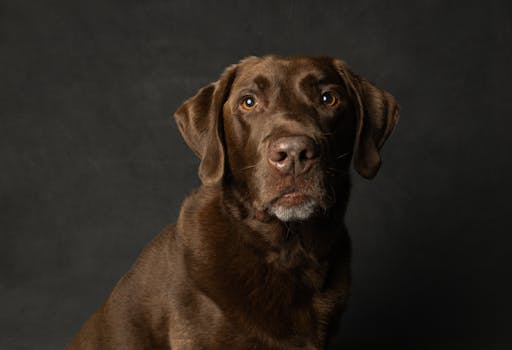
Exuberant and people-oriented gundog; the breed's defining characteristic is its lifelong youthful enthusiasm — and an elevated cancer risk requiring owner awareness.
Compare & learn more
Head-to-head comparisons
Relevant guides
Do you prefer purebred, mixed breed, or either?
Help improve PupWiki with one quick anonymous answer.
Find my breed match →