
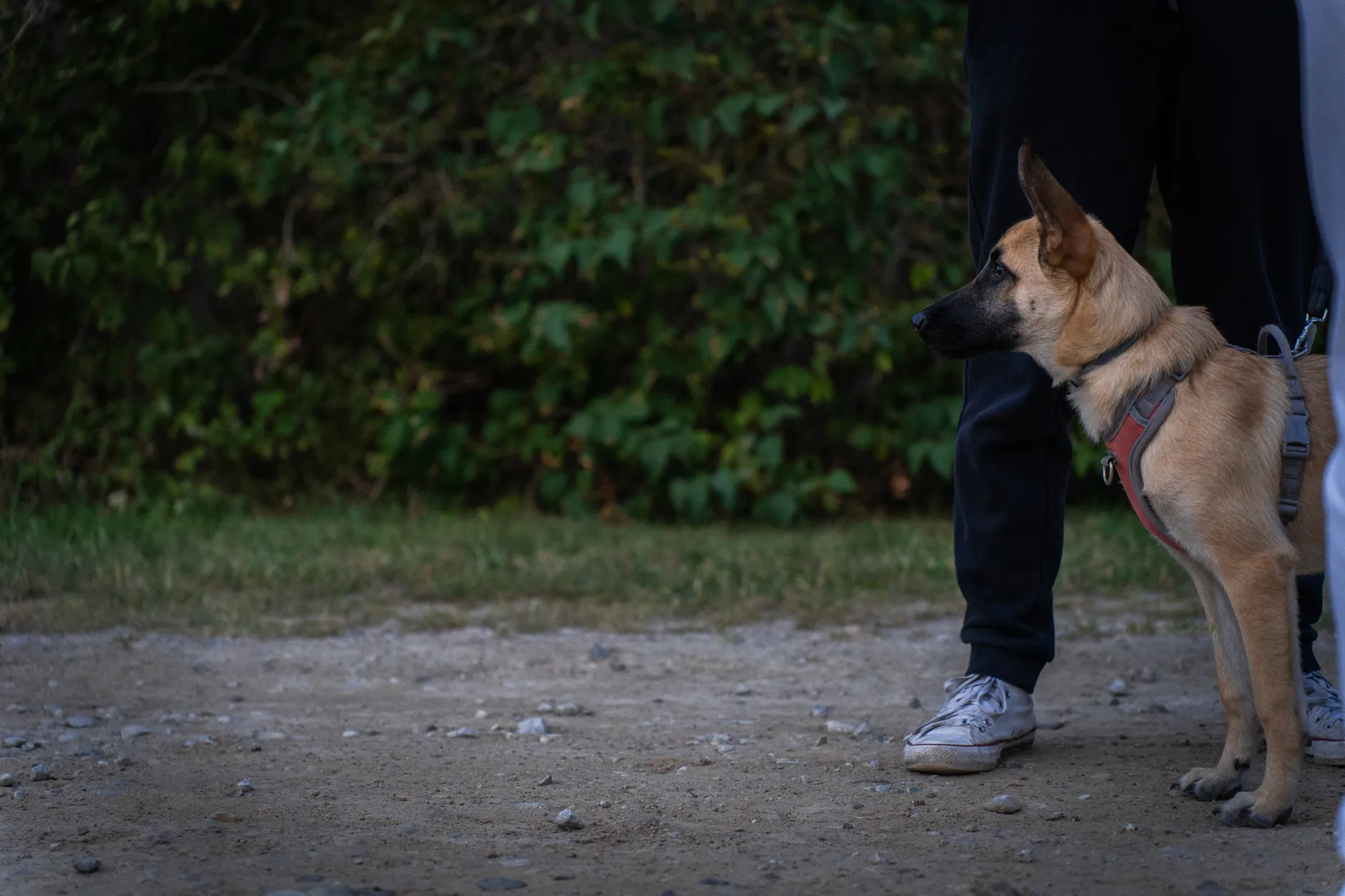
The first eight weeks at home are the most important training period of your puppy's life. The habits, associations, and routines established during this window shape the dog's behaviour for years. This schedule provides a practical week-by-week framework — not a rigid prescription, but a sequence of priorities that builds on each stage.
Before the schedule: principles that drive everything
- Reward the behaviour you want — positive reinforcement with food, play, and praise
- Short sessions, often — 3–5 minutes, 2–3 times per day; end on a success
- Consistency between all household members — everyone uses the same commands and the same rules
- Prevention over correction — manage the environment to prevent unwanted behaviour rather than waiting to correct it
- No punishment — punishment increases fear and suppresses behaviour rather than teaching what to do instead
Weeks 1–2 (8–10 weeks)
Focus: Settling in, crate introduction, house training foundation
- Crate introduction: feed meals in the crate, make it comfortable; never force; build positive associations over days
- House training: outside immediately on waking, after meals, after play, and every 45–60 minutes
- Name response: say name, reward when puppy looks at you
- Begin socialization: gentle introduction to household sounds, surfaces, and people in the home
- Short, frequent car journeys to prevent travel anxiety
Weeks 3–4 (10–12 weeks)
Focus: Basic commands, loose-lead introduction, socialization broadening
- Sit: lure with treat above nose; mark and reward as bottom touches floor
- Down: from sit, lure treat toward floor between front paws
- Name + attention: name → pause → reward eye contact
- Leave it: closed fist with treat; reward when puppy stops trying
- Begin loose-lead walking: reward walking at your side before tension develops
- Socialization: puppy classes (after vaccination clearance), exposure to other vaccinated dogs
Weeks 5–6 (12–14 weeks)
Focus: Duration and distance on commands, recall foundation
- Stay: add 1-2 second duration to sit-stay and down-stay; release with consistent word
- Recall: short distances in the garden; "come" → reward enthusiastically every time
- Crate: building up to 1-hour crate rest without distress during the day
- House training: accidents becoming rare; puppy asking to go out
- Handling: regular brief sessions handling ears, paws, mouth — desensitise to veterinary examination
Weeks 7–8 (14–16 weeks)
Focus: Consolidation, public exposure, longer-duration commands
- Stay: building to 30+ seconds and 3-4 steps of distance
- Recall: practise in varied environments; always reward
- Loose-lead walking: reducing pulling in new environments
- Public socialization: streets, parks, pet-friendly spaces; focus on positive, calm exposures
- Alone time: gradually building up to 2-hour periods in the crate or safe space
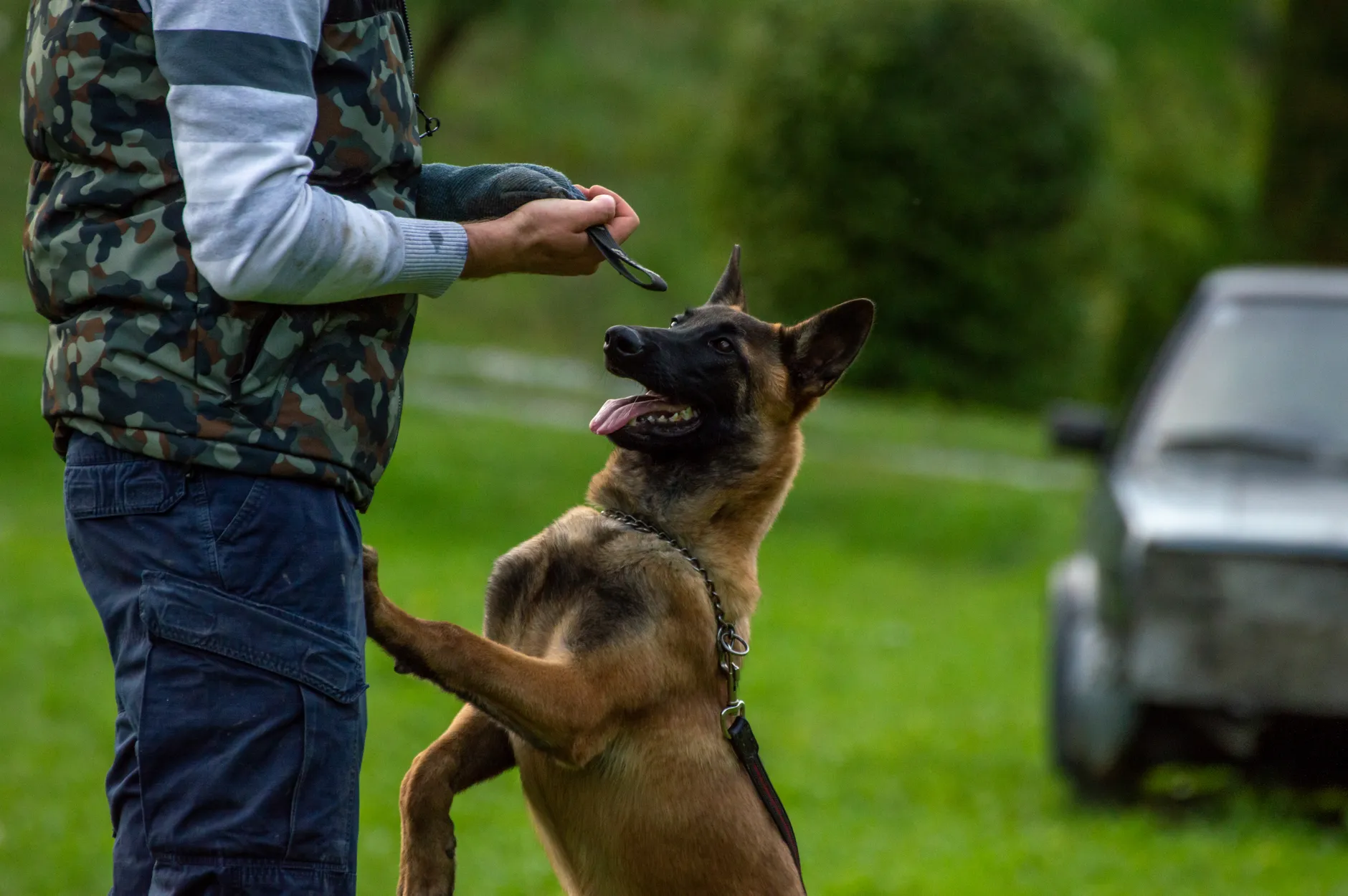
Managing biting and mouthing
Puppy mouthing is normal and developmentally appropriate — puppies explore with their mouths and play involves biting. The goal is not to eliminate mouthing immediately but to teach bite inhibition (soft mouth) and redirect to appropriate targets.
When the puppy bites too hard: a brief "ouch" and 10–20 second pause in play. Then redirect to a toy. Consistent, calm response from all household members is the key variable. Puppies that continue rough mouthing beyond 16–18 weeks despite consistent management may benefit from a professional trainer assessment.
Crate training milestones
A properly crate-trained puppy sees its crate as a safe resting space. The milestone timeline:
- Week 1–2: Eating in the crate with the door open; sleeping in the crate at night (expect some initial protest)
- Week 3–4: Able to rest 30–60 minutes in the crate during the day without distress
- Week 5–6: Comfortable with 1–2 hours during the day; no significant distress
- Week 7–8: Actively choosing to rest in the crate; comfortable up to 2–3 hours during the day
Crate duration depends on age. A rough guide: maximum crate time in hours = age in months. A 3-month-old puppy should not be crated for more than 3 hours during the day. Overnight is an exception once the puppy has settled.
Frequently asked questions
- When should I start training my puppy?
- From the moment they come home — typically 8 weeks. Puppies are in their primary learning period and absorb new information rapidly. The earlier you establish routines, crate acceptance, and basic manners, the easier every subsequent stage will be. There is no minimum age for reward-based training.
- How long should puppy training sessions be?
- Very short — 3 to 5 minutes per session, 2 to 3 times per day. Puppies have short attention spans and tire cognitively faster than adult dogs. Multiple short sessions are more productive than one long one. Always end on a success, even if that means asking for something easy at the end.
- How do I house train a puppy?
- Consistency and supervision are everything. Take the puppy outside immediately after waking, after every meal, after play, and every 45–60 minutes. When they toilet outside, mark and reward immediately. When you cannot supervise, confine to a crate or small pen (puppies will not toilet where they sleep if the crate is the right size). Accidents are your supervision failure, not the puppy's fault. Never punish accidents.
- What are the most important commands to teach first?
- Six essential cues: sit (impulse control foundation), down (calm position), stay (builds duration and distance), come/recall (safety command), leave it (prevents scavenging and hazards), and name/attention (the foundation for everything else). Loose-lead walking is also a priority and requires consistent work from the first walk.
- What should I do if my puppy bites?
- Puppy biting (mouthing) is normal developmental behaviour — puppies explore the world with their mouths. The response that works: a brief, calm "ouch" and withdrawing attention (turn away, pause interaction for 10-20 seconds). Then redirect to an appropriate toy. Never shout, grab the muzzle, or physically punish — this increases arousal and can cause fear or aggression. Biting decreases significantly by 4-5 months in most puppies.


