
Bernese Mountain Dog
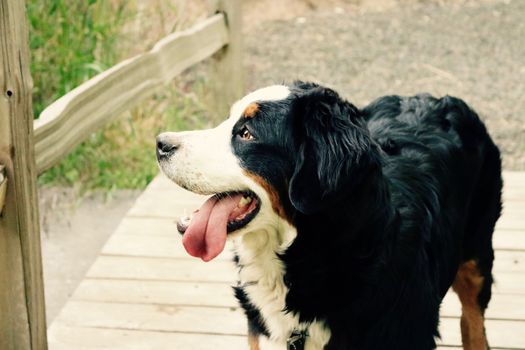
Striking tri-colored Swiss working dog with a gentle, calm temperament; devoted family companion with elevated health and grooming demands.
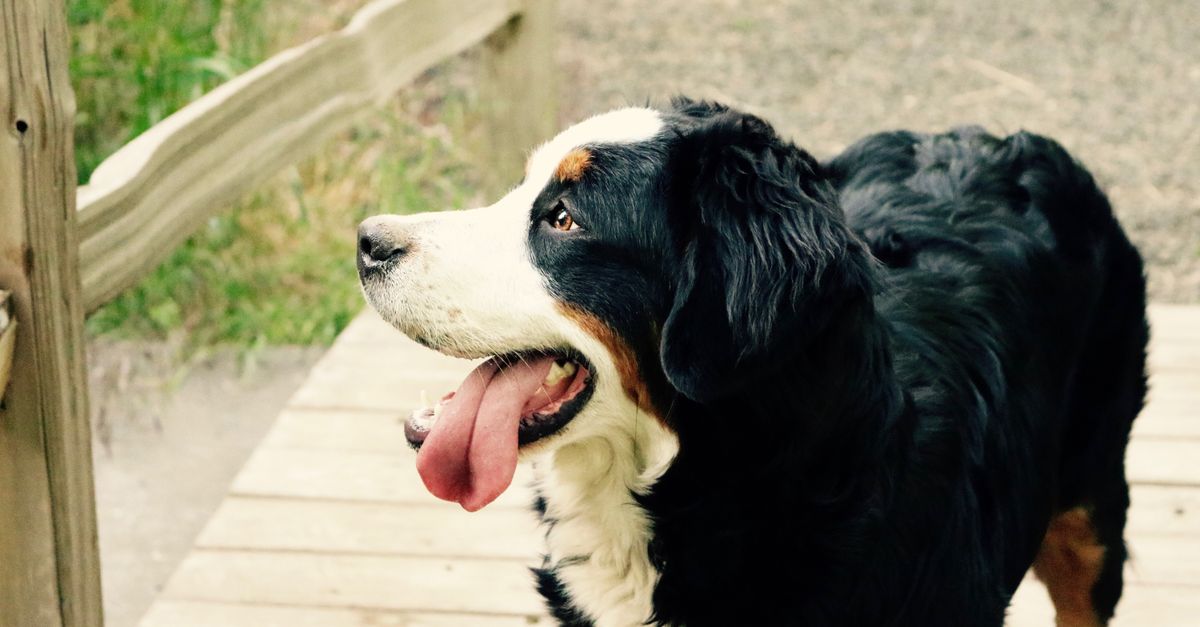
Photo by Cameron Fitzgerald on Pexels
Quick facts: Bernese Mountain Dog
- Size
- Large
- Weight
- 17.2–23.6 kg
- Origin
- Switzerland
- Life span
- 7–10 years
- Temperament
- Good-natured, calm, strong, affectionate
- Energy level
- Medium
- Grooming needs
- Very‑high
- Trainability
- Low
- Apartment fit
- Very‑low
- Typical annual cost
- ~$2,700
Is the Bernese Mountain Dog right for you?
Best for
- Families with children who want a calm, affectionate large breed
- Owners with space and cold or temperate climates
- Those willing to manage heavy grooming demands
- Active households wanting a moderate-energy companion
Not ideal if
- Hot climates — they overheat easily
- Apartment or small-space living
- Those unable to manage heavy shedding
- Owners unprepared for elevated cancer and orthopedic health costs
Devoted, gentle family dog with a calm presence — prepare for heavy shedding, elevated cancer risk, and a shorter-than-average lifespan.
Trait snapshot
Bernese Mountain Dog is part of the Working Group — see group tendencies →
What owners actually say
Bernese Mountain Dog owners describe a devoted, calm, family-perfect companion — and an emotionally difficult reality around the breed's shortened lifespan and cancer risk.
- General
Genuinely one of the gentlest, most patient breeds with children. Owners consistently describe the temperament as a defining strength — calm, tolerant, and devoted to family above all.
- Health reality
The short lifespan hits hard. Many Berner owners describe going in knowing the statistics but still being emotionally unprepared. The combination of a 7-10 year expectancy and high cancer incidence is the defining reality of the breed.
- Shedding
Shedding is genuinely heavy. Owners describe finding fur on every surface year-round, with seasonal blowing that requires near-daily brushing. Not a breed for tidy homes or allergy-sensitive households.
- Training
Responds well to positive training. Eager to please and picks up commands reliably — but owners note that the puppy phase involves a lot of managing exuberant large-breed energy.
- Apartment life
Not a fit for apartment or small-space living. Requires room to move and access to outdoors. In hot climates, owners describe significant management challenges around overheating.
Editorial summary. Phase 3 will add structured owner survey data.
Cost snapshot
Range $1,700–$4,500
Range $2,800–$9,000
After first year
Annual breakdown
Assumptions used:
- Large-breed food volumes
- Heavy grooming demands (professional grooming or significant owner time)
- Elevated lifetime vet costs due to cancer and orthopedic risk
Last reviewed: 2026-06-20
Read full methodology →Health watchlist
Health information is educational only. Always consult your veterinarian.
Cancer (very elevated risk)
Cancer is the leading cause of death in Bernese Mountain Dogs at a disproportionately high rate compared to most breeds. Annual wellness exams and early monitoring are important. Consult your vet.
Hip and elbow dysplasia
Both conditions are common in the breed. Reputable breeders OFA-test parents. Weight management and avoiding high-impact exercise in puppies is important. Consult your vet.
Bloat / GDV
Deep-chested large breeds have elevated GDV risk. Discuss risk management and prophylactic gastropexy with your veterinarian.
Von Willebrand disease
A bleeding disorder found in the breed. DNA testing is available and recommended before surgery. Consult your vet for guidance specific to your dog.
Degenerative myelopathy
A progressive spinal cord disease. DNA testing is available from responsible breeders. Consult your vet for guidance specific to your dog.
Check your fit
Answer a few questions to see how a Bernese Mountain Dog fits your household.
Frequently asked questions
Do Bernese Mountain Dogs shed a lot?
How long do Bernese Mountain Dogs live?
Are Bernese Mountain Dogs good with children?
Can Bernese Mountain Dogs handle hot weather?
How much does it cost to own a Bernese Mountain Dog?
What health problems are Bernese Mountain Dogs prone to?
How much grooming does a Bernese Mountain Dog need?
Are Bernese Mountain Dogs easy to train?
Are Bernese Mountain Dogs good apartment dogs?
Are Bernese Mountain Dogs good for first-time owners?
Tools for Bernese Mountain Dog owners
Similar breeds to the Bernese Mountain Dog
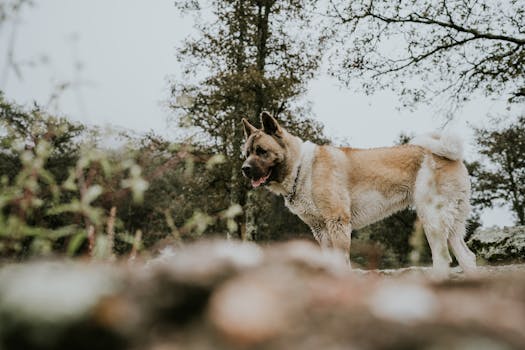
Large, powerful Japanese working breed with fierce loyalty to family and wariness of strangers; not for first-time owners — requires confident, experienced handling.
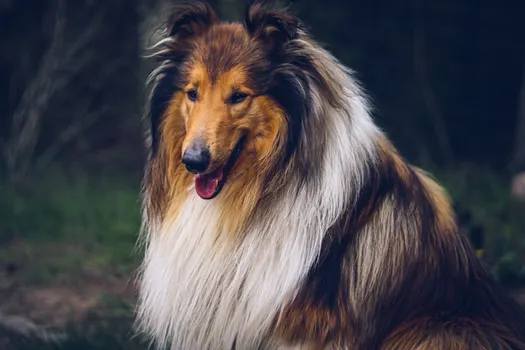
Iconic Scottish herding breed in rough and smooth coats; gentle, intuitive, family-oriented, and more sensitive than many expect.
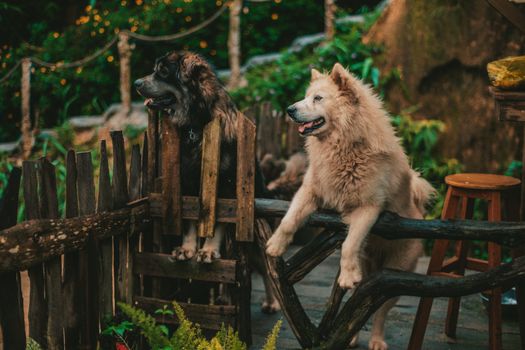
Magnificent, lion-maned gentle giant from Germany, bred as a noble companion and working dog — devoted to family, patient with children, and strikingly trainable for their size, but with a shorter lifespan and significant grooming commitment.
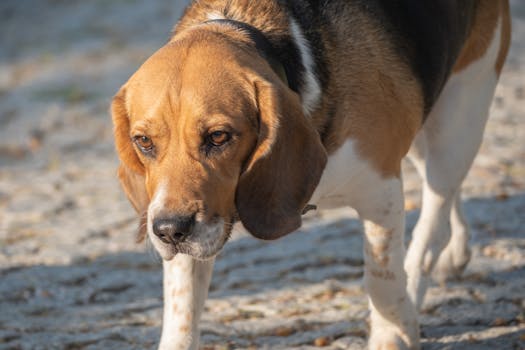
World's finest tracking breed with an extraordinary nose; affectionate and gentle but stubborn, vocal, and prone to following its nose wherever it leads — not a breed for the unprepared.
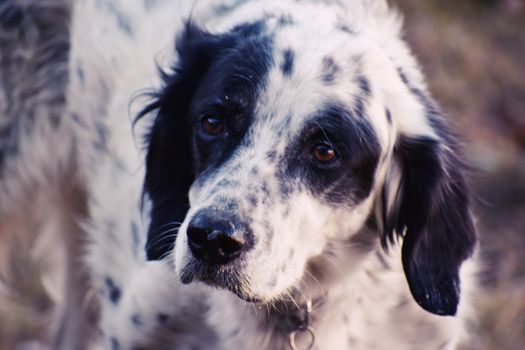
Elegant, gentle sporting dog with distinctive speckled coat; energetic and affectionate but requires significant daily exercise and regular coat maintenance.
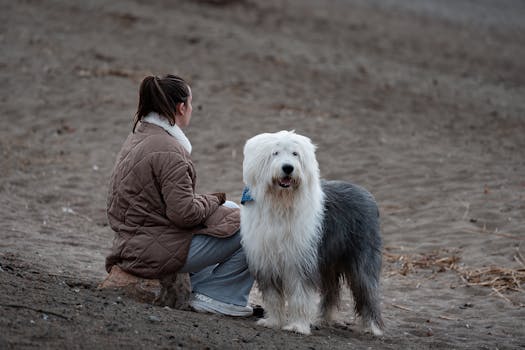
Large, shaggy herding breed known for its distinctive bobtail, playful temperament, and very high grooming demands.
Compare & learn more
Head-to-head comparisons
Which breed factor do you research first?
Help improve PupWiki with one quick anonymous answer.
Find my breed match →