
Akita
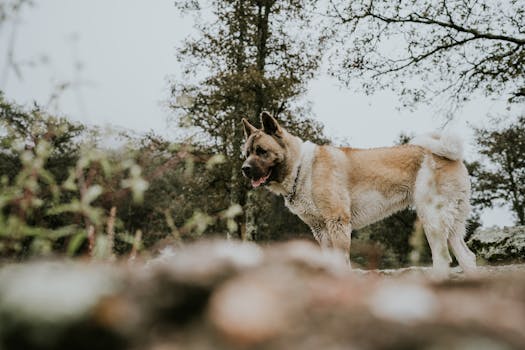
Large, powerful Japanese working breed with fierce loyalty to family and wariness of strangers; not for first-time owners — requires confident, experienced handling.
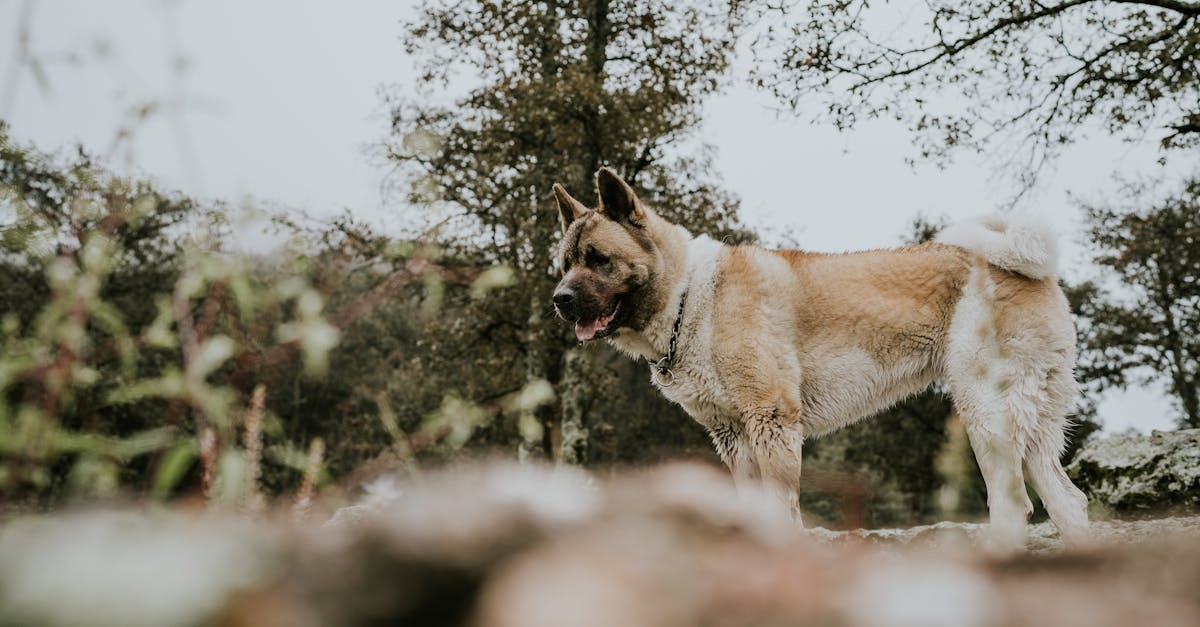
Photo by Amar Preciado on Pexels
Quick facts: Akita
- Size
- Large
- Weight
- 15.4–24.5 kg
- Origin
- Japan
- Life span
- 10–13 years
- Temperament
- Loyal, dignified, courageous, independent
- Energy level
- Medium
- Grooming needs
- Medium
- Trainability
- High
- Apartment fit
- Very‑low
- Typical annual cost
- ~$2,700
Is the Akita right for you?
Best for
- Experienced owners who understand independent working breeds
- Households wanting a devoted, protective companion without constant neediness
- Owners in cold climates with space for a large breed
Not ideal if
- First-time dog owners — Akitas require confident, consistent handling
- Households with other dogs (same-sex dog aggression is common)
- Families with young children (territorial instincts are strong)
- Owners wanting a highly obedient, biddable breed
A magnificent, loyal breed for experienced owners — not suitable for first-time dog owners, multi-pet households, or families with young children.
Trait snapshot
Akita is part of the Working Group — see group tendencies →
What owners actually say
Akita owners describe one of the most intensely loyal breeds they have ever known — and are candid that the breed demands experienced ownership and careful socialisation from day one.
- General
The loyalty is extraordinary. Owners describe a dog that is completely devoted to its immediate family — but that same devotion comes with a strong protective instinct and wariness of outsiders that must be managed.
- Training
The training experience requires patience and experience. Akitas understand commands but comply on their own terms. Harsh methods produce a dog that simply refuses. Experienced, consistent, reward-based training is what works.
- Alone time
More tolerant of alone time than most working breeds. Owners describe a dog that is comfortable in the home without constant interaction — not anxious or destructive when left for reasonable periods.
- Health reality
Thyroid issues appear more commonly than new owners anticipate. Owners with affected dogs describe ongoing management costs and regular thyroid monitoring as part of the breed's reality.
- Apartment life
Not suited to apartment life. Owners in small spaces describe significant challenges. The breed needs room and does not do well in confined or densely populated environments.
Editorial summary. Phase 3 will add structured owner survey data.
Cost snapshot
Range $1,700–$4,500
Range $2,800–$9,000
After first year
Annual breakdown
Assumptions used:
- Large-breed food volumes
- Potential high training and socialisation costs (specialist trainer often recommended)
- Thyroid and orthopedic monitoring costs throughout life
Last reviewed: 2026-06-20
Read full methodology →Health watchlist
Health information is educational only. Always consult your veterinarian.
Hip dysplasia
Present at significant rates in the breed. OFA hip screening of parent dogs is standard in responsible breeding programs. Consult your vet.
Autoimmune thyroiditis
Hypothyroidism and autoimmune thyroid conditions are more common in Akitas than in many other breeds. OFA thyroid testing is available. Consult your vet.
Uveodermatologic syndrome (VKH)
A serious autoimmune condition affecting eyes and skin; more prevalent in Japanese Akitas. Early detection is important. Consult your vet if eye inflammation or skin depigmentation occurs.
Bloat/GDV
Deep-chested breed at risk for gastric torsion. Feed smaller meals and avoid vigorous exercise after eating. Consult your vet about preventive gastropexy.
Sebaceous adenitis
An autoimmune skin condition seen in the breed. Watch for dry, scaly skin or hair loss. Consult your vet for guidance specific to your dog.
Check your fit
Answer a few questions to see how a Akita fits your household.
Frequently asked questions
Are Akitas good family dogs?
Are Akitas aggressive?
How much exercise does an Akita need?
Do Akitas shed a lot?
How much does it cost to own a Akita?
What health problems are Akitas prone to?
How much grooming does a Akita need?
Are Akitas easy to train?
Are Akitas good apartment dogs?
Are Akitas good for first-time owners?
Tools for Akita owners
Similar breeds to the Akita
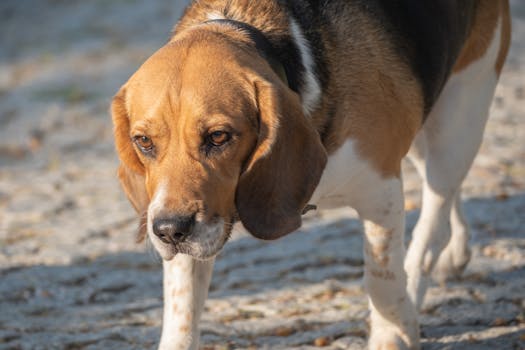
World's finest tracking breed with an extraordinary nose; affectionate and gentle but stubborn, vocal, and prone to following its nose wherever it leads — not a breed for the unprepared.
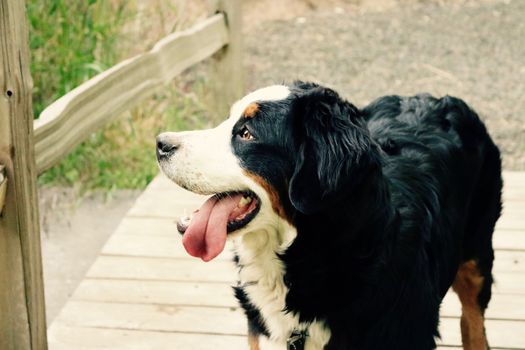
Striking tri-colored Swiss working dog with a gentle, calm temperament; devoted family companion with elevated health and grooming demands.
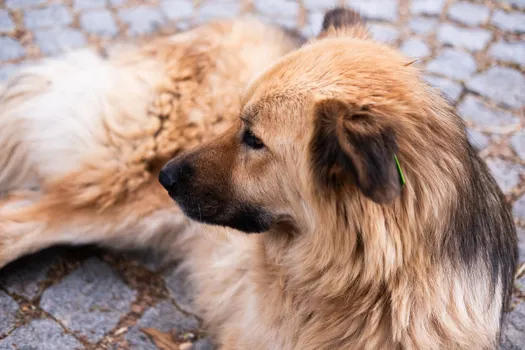
Towering Irish sighthound once used for big game, now prized for a calm, kind temperament and enormous giant-breed care needs.
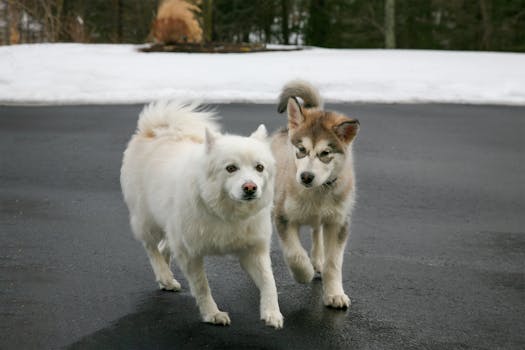
Powerful Arctic working dog bred to haul heavy loads across frozen terrain; affectionate and playful, but headstrong, a heavy shedder, and genuinely dangerous in hot climates — experienced ownership is essential.
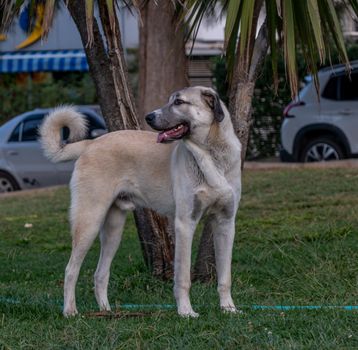
Ancient, fiercely independent livestock guardian from Turkey, bred for millennia to protect flocks from predators without human direction — deeply loyal to their family but challenging for any owner unfamiliar with working livestock guardian dogs.
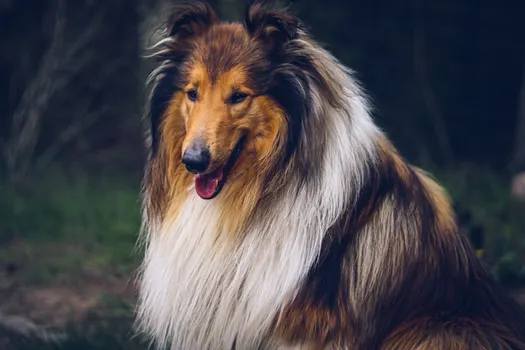
Iconic Scottish herding breed in rough and smooth coats; gentle, intuitive, family-oriented, and more sensitive than many expect.
Compare & learn more
Head-to-head comparisons
Relevant guides
What would help you avoid choosing the wrong breed?
Help improve PupWiki with one quick anonymous answer.
Find my breed match →