
Collie
Iconic Scottish herding breed in rough and smooth coats; gentle, intuitive, family-oriented, and more sensitive than many expect.
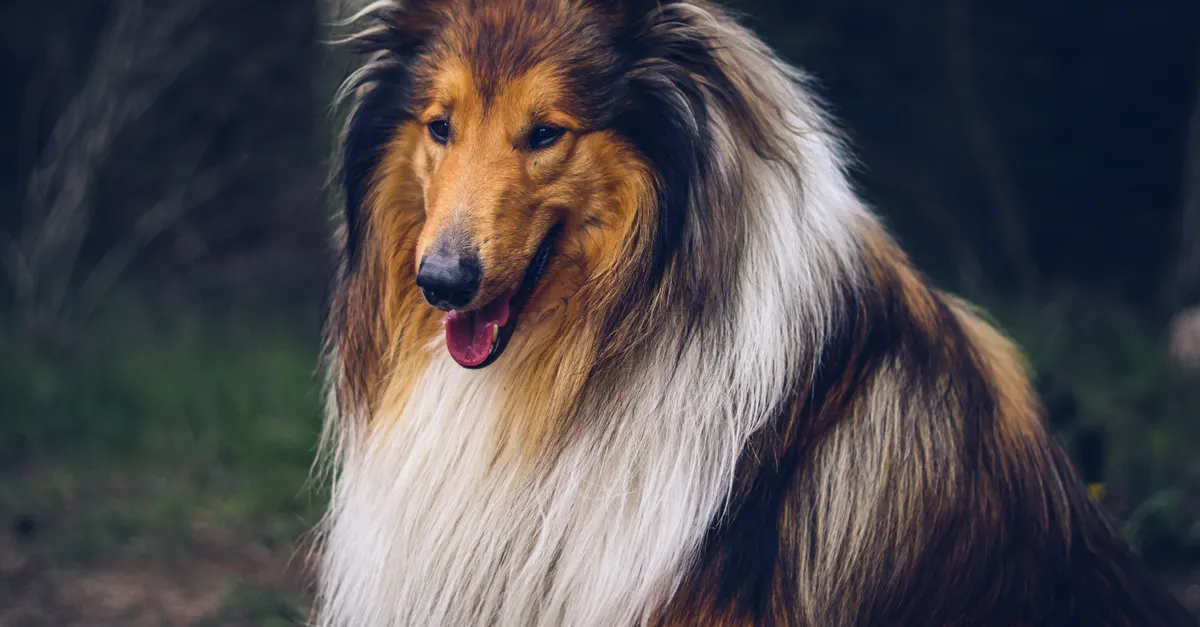
Photo by Jędrzej Koralewski on Pexels
Quick facts: Collie
- Size
- Large
- Weight
- 22.7–34 kg
- Origin
- Scotland
- Life span
- 12–14 years
- Temperament
- Devoted, graceful, proud, responsive
- Energy level
- Medium
- Grooming needs
- High
- Trainability
- Low
- Apartment fit
- Medium
- Typical annual cost
- ~$2,400
Is the Collie right for you?
Best for
- Families wanting a gentle, responsive dog
- Owners interested in obedience, therapy work, or calm companionship
- Suburban homes with moderate exercise routines
- People who appreciate a breed that is attentive without being extreme
Not ideal if
- You dislike shedding or coat maintenance
- You want a very low-vocal breed
- You use harsh training methods
- You cannot manage herding sensitivity around noise or chaos
A classic family herder for owners who want sensitivity, trainability, and moderate daily activity rather than hard-driving intensity.
Trait snapshot
Collie is part of the Herding Group — see group tendencies →
What owners actually say
Collie owners consistently highlight gentleness and family intuition, while warning about shedding, sensitivity, vocal habits, and breed-specific medication awareness.
- General
Owners love how emotionally tuned-in Collies can be. Many describe them as gentle, watchful family members rather than hard-charging workers.
- Shedding
Shedding and coat maintenance are major realities, especially with rough-coated Collies during seasonal coat changes.
- Training
Highly responsive, but sensitive. Harsh correction can create worry; calm reward-based training brings out the best in the breed.
- Barking
Alert barking is common. Many owners manage it successfully, but it should not be ignored in puppyhood.
- Health reality
MDR1 medication sensitivity and eye screening are health topics many new owners only discover after choosing the breed.
- Apartment life
Some Collies adapt to apartments, but size, hair, alert barking, and need for calm routines make suburban homes easier.
Editorial owner-reality summary based on breed traits, reputable breed-source patterns, and common owner-reported friction points. Phase 3 can replace or augment this with structured PupWiki owner survey data.
Cost snapshot
Range $1,400–$4,200
Range $2,600–$8,200
After first year
Annual breakdown
Assumptions used:
- Medium-large food volume
- Rough coats increase grooming time and potential grooming costs
- Health testing and eye screening are important
- Training costs are often moderate because the breed is responsive
Last reviewed: 2026-07-02
Read full methodology →Health watchlist
Health information is educational only. Always consult your veterinarian.
Collie eye anomaly and inherited eye disease
Collies are associated with inherited eye conditions. Responsible breeders use ophthalmic screening, and vision changes should be discussed with a veterinarian.
MDR1 drug sensitivity
Many Collies carry MDR1 gene variants that affect sensitivity to certain medications. Ask your vet about testing and always mention Collie ancestry before medications are prescribed.
Dermatomyositis
Some Collie-family dogs can develop immune-mediated skin and muscle disease. Persistent skin lesions, especially on the face or limbs, need veterinary assessment.
Bloat/GDV
As a deep-chested breed, Collies can face bloat risk. Know emergency signs and discuss feeding routines and preventive options with your vet.
Check your fit
Answer a few questions to see how a Collie fits your household.
Frequently asked questions
Are Collies good family dogs?
What is the difference between rough and smooth Collies?
Are Collies easy to train?
Do Collies bark a lot?
How much exercise does a Collie need?
Can Collies live in apartments?
What health testing matters for Collies?
How long do Collies live?
Tools for Collie owners
Similar breeds to the Collie
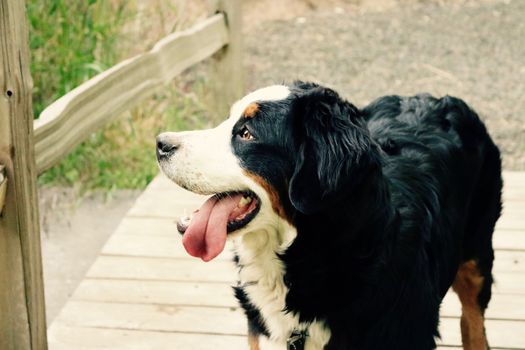
Striking tri-colored Swiss working dog with a gentle, calm temperament; devoted family companion with elevated health and grooming demands.
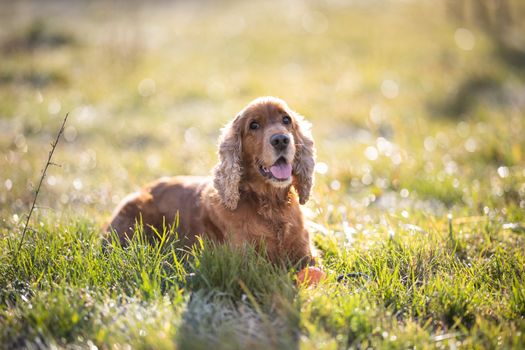
America's most popular sporting spaniel — gentle, responsive, and adaptable; a breed that genuinely thrives as both a family companion and working dog.
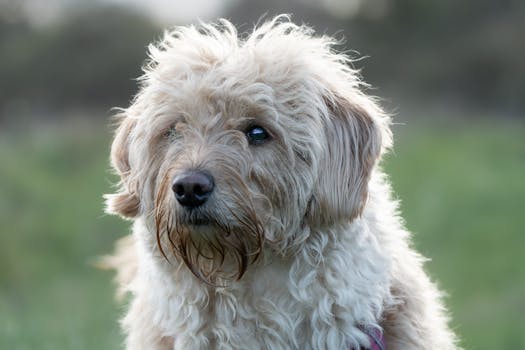
Popular Labrador-Poodle cross known for friendliness, trainability, and reduced shedding; note that Labradoodles are not AKC recognised and coat type varies significantly between individuals.
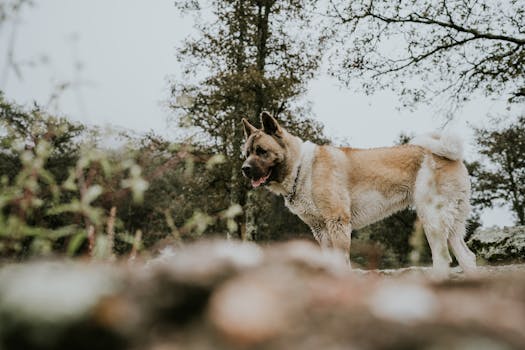
Large, powerful Japanese working breed with fierce loyalty to family and wariness of strangers; not for first-time owners — requires confident, experienced handling.
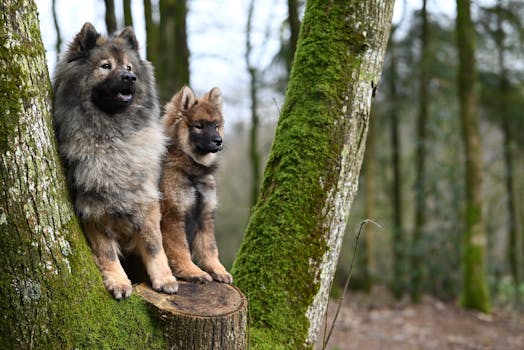
Dutch barge dog; a medium Spitz with a striking wolf-grey double coat, high shedding, and an affectionate, people-focused temperament.
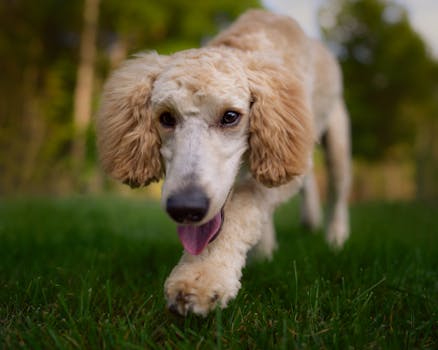
Intelligent water retriever with a hypoallergenic coat; excels in training and varied dog sports.
Compare & learn more
What would make you hesitate about this breed?
Help improve PupWiki with one quick anonymous answer.
Find my breed match →