
Norwegian Elkhound
Bold, hardy, and deeply loyal, the Norwegian Elkhound is one of the oldest known breeds — a versatile Nordic hunter and guardian with a thick silver coat, strong independent spirit, and energetic temperament that suits active owners in cooler climates.
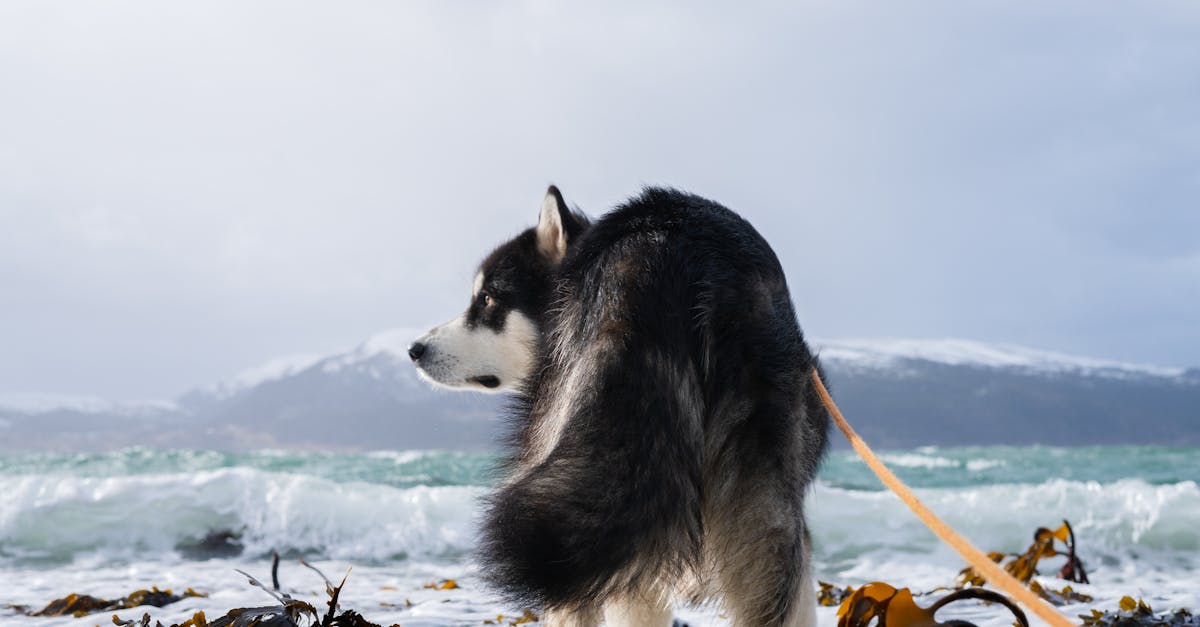
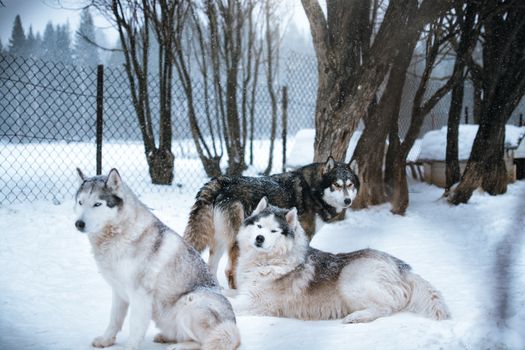
Photo by Till Daling on Pexels
Quick facts: Norwegian Elkhound
- Size
- Medium
- Weight
- 21.8–24.9 kg
- Origin
- Norway
- Life span
- 12–15 years
- Temperament
- Bold, playful, loyal, energetic
- Energy level
- High
- Grooming needs
- Medium
- Trainability
- Medium
- Apartment fit
- Low
- Typical annual cost
- ~$2,200
Is the Norwegian Elkhound right for you?
Best for
- Active owners in temperate to cold climates who enjoy outdoor activities
- Families with children seeking an energetic, affectionate medium breed
- Owners who appreciate Nordic breed independence and can train with patience
- Those who can manage significant seasonal shedding as a fact of life
Not ideal if
- Hot-climate households — dense double coats and heat intolerance are a serious combination
- Owners expecting minimal shedding or grooming commitment
- Apartment dwellers without reliable daily outdoor exercise access
- Those wanting a highly obedient, off-leash reliable dog in open areas
A loyal, long-lived Nordic breed for active families in cooler climates — their heavy shedding, independence, and heat sensitivity require realistic expectations from the outset.
Trait snapshot
Norwegian Elkhound is part of the Hound Group — see group tendencies →
What owners actually say
Norwegian Elkhound owners describe a hardy, loyal Nordic breed with a spirited independence and heavy seasonal shedding — rewarding for owners who engage them actively, and challenging for those expecting easy off-lead recall or a low-maintenance coat.
- General
The loyalty and family bond is strong. Owners describe a dog that is deeply attached to its household and particularly good with children — energetic enough to keep up with active family life and gentle enough to be trusted around them.
- General
The shedding is prolific. Owners describe the seasonal coat blow as a household event requiring daily brushing for several weeks, and moderate to heavy shedding year-round. Anyone with allergies or a strong preference for a clean house should take this seriously.
- Training
Quick to learn but independent in applying that knowledge. Owners describe a confident, sometimes stubborn dog that responds well to reward-based training but will express its own agenda when motivation is low. Recall in open areas requires sustained specific training.
- Health reality
Fanconi syndrome and progressive retinal atrophy appear in owner conversations more than the breed's general reputation suggests. Owners from reputable breeders who DNA-test for both conditions describe significantly fewer health surprises — reinforcing the value of breeder screening.
- Apartment life
Not ideal for flat life. The energy level and vocal tendencies make urban or apartment living a challenge. Owners in suburban homes with garden access describe much more successful setups than those in confined spaces.
Editorial summary. Phase 3 will add structured owner survey data.
Cost snapshot
Range $1,400–$3,800
Range $2,500–$7,500
After first year
Annual breakdown
Assumptions used:
- Heavier shedding — grooming costs
- Cold-weather-suited but needs cooling in summer
Last reviewed: 2026-06-20
Read full methodology →Health watchlist
Health information is educational only. Always consult your veterinarian.
Fanconi syndrome
Fanconi syndrome — a kidney tubule disorder causing abnormal loss of glucose, amino acids, and electrolytes — is documented in the Norwegian Elkhound at higher rates than many breeds. Early detection through urine glucose testing is important, as affected dogs can be managed with supportive supplementation. Consult your vet.
Hip dysplasia
Hip dysplasia is documented in the Norwegian Elkhound and warrants OFA or PennHIP screening in breeding stock. While the breed is not as heavily affected as some larger dogs, hip problems can significantly impair the active lifestyle this breed requires. Maintaining a lean body weight is an important long-term protective factor. Consult your vet.
Progressive retinal atrophy (PRA)
PRA is an inherited progressive degeneration of the retina that eventually leads to blindness. The Norwegian Elkhound breed carries a specific form of PRA; DNA testing is available and responsible breeders screen parent dogs. Ask breeders for documented PRA-clear results. Consult your vet.
Obesity
The breed can gain weight easily, especially with reduced exercise. Portion control and regular activity are important. Consult your vet for guidance specific to your dog.
Skin conditions
Sebaceous cysts and hot spots can occur, especially in the dense undercoat. Regular grooming helps with early detection. Consult your vet for guidance specific to your dog.
Check your fit
Answer a few questions to see how a Norwegian Elkhound fits your household.
Frequently asked questions
Do Norwegian Elkhounds shed a lot?
Can Norwegian Elkhounds live in hot climates?
Are Norwegian Elkhounds easy to train?
Are Norwegian Elkhounds good family dogs?
How much does it cost to own a Norwegian Elkhound?
What health problems are Norwegian Elkhounds prone to?
How much grooming does a Norwegian Elkhound need?
Are Norwegian Elkhounds good apartment dogs?
Are Norwegian Elkhounds good for first-time owners?
Tools for Norwegian Elkhound owners
Similar breeds to the Norwegian Elkhound
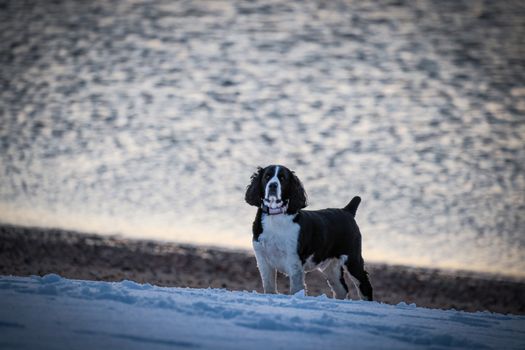
Energetic sporting spaniel bred for flushing and retrieving game; highly trainable, enthusiastic, and family-oriented.
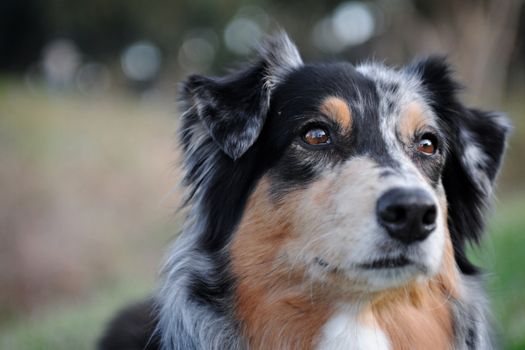
Agile stock dog bred for all-day work; sharp-minded and happiest with a job or intense play.
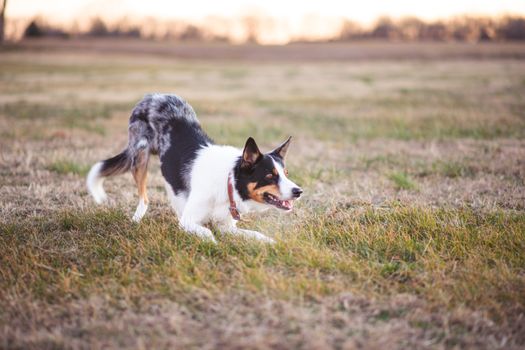
Widely regarded as the world's most intelligent breed; an elite herding dog built for relentless work and intense mental engagement.
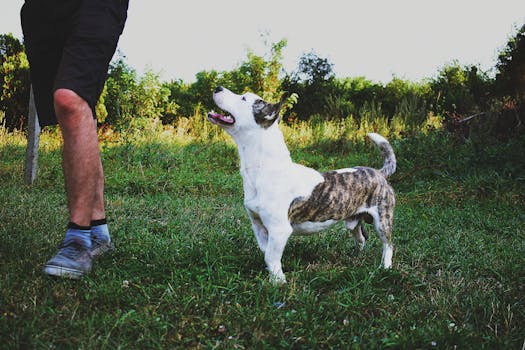
Muscular, playful English breed with a distinctive egg-shaped head; deeply devoted to family but strong-willed and not suitable for first-time owners.
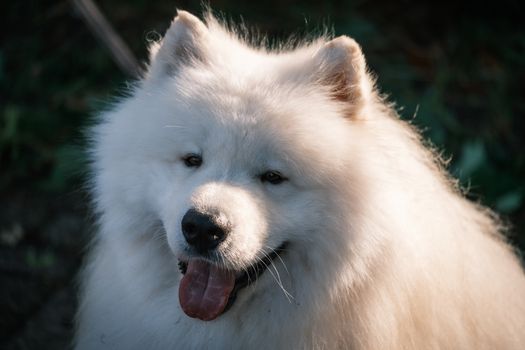
Beautiful white Spitz breed with a warm, sociable temperament; heavy shedding and significant grooming demands are the defining ownership challenge.
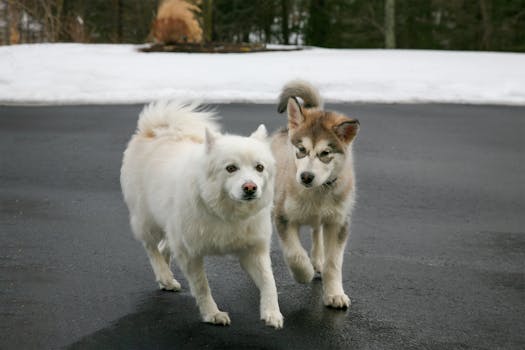
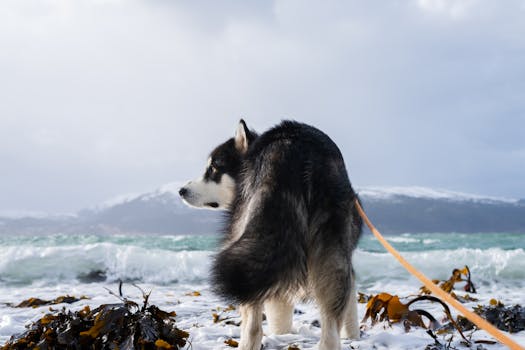
Powerful Arctic working dog bred to haul heavy loads across frozen terrain; affectionate and playful, but headstrong, a heavy shedder, and genuinely dangerous in hot climates — experienced ownership is essential.
Compare & learn more
Head-to-head comparisons
Relevant guides
How important is apartment fit?
Help improve PupWiki with one quick anonymous answer.
Find my breed match →