
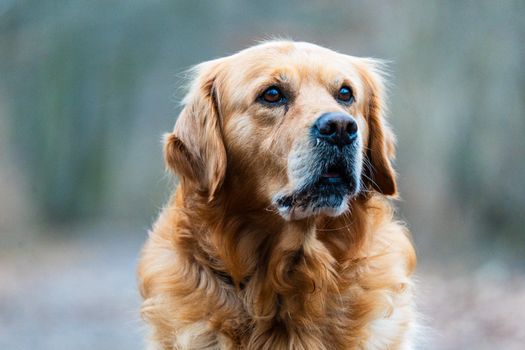
Golden Retriever
Soft-mouthed retriever with an easygoing nature and strong desire to work; thrives on companionship and activity.
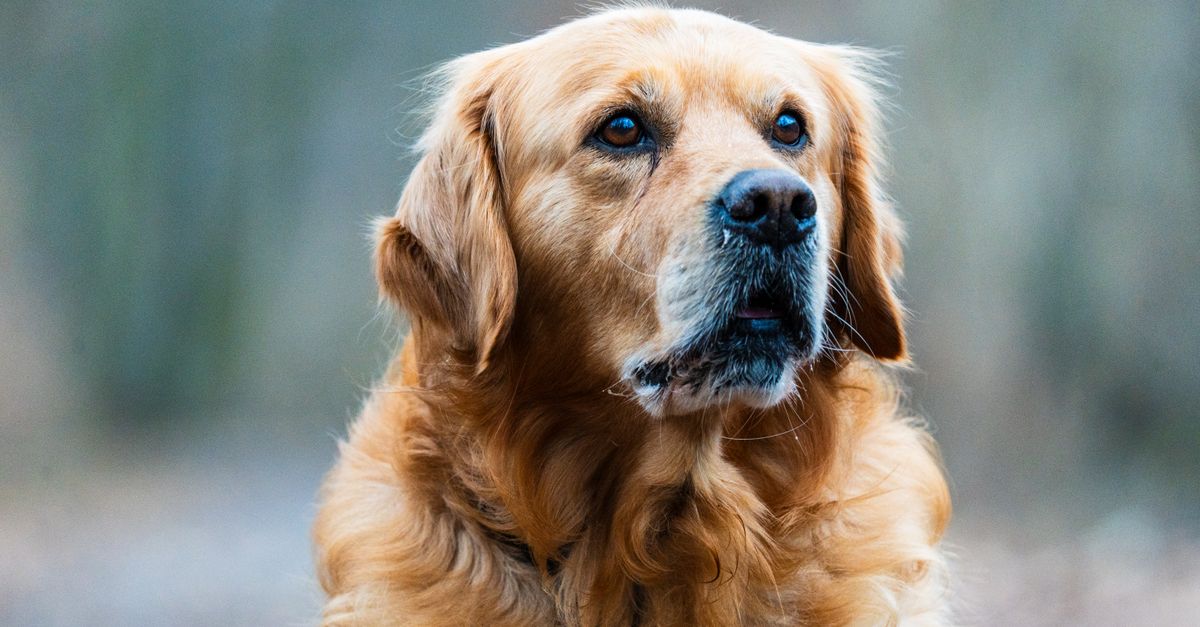
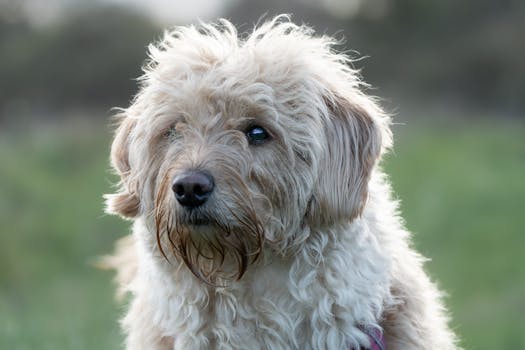
Photo by Masood Aslami on Pexels
Quick facts: Golden Retriever
- Size
- Large
- Weight
- 29.5–34 kg
- Origin
- Scotland
- Life span
- 10–12 years
- Temperament
- Affectionate, trustworthy, eager, sociable
- Energy level
- Very‑high
- Grooming needs
- Medium
- Trainability
- Very‑low
- Apartment fit
- Medium
- Typical annual cost
- ~$2,700
Is the Golden Retriever right for you?
Best for
- Families with children
- Active owners who enjoy daily outdoor exercise
- Those wanting a highly trainable, gentle breed
- Multi-dog households
Not ideal if
- Apartment or small-space living
- Owners away for long hours
- Those with dog allergies or low tolerance for heavy shedding
Outstanding family dog for active households with space — plan for shedding and health screening.
Trait snapshot
Golden Retriever is part of the Sporting Group — see group tendencies →
What owners actually say
Golden Retriever owners are some of the most enthusiastic breed advocates — and among the most candid about shedding, grooming time, and health vigilance.
- Training
Consistently rated the easiest large breed to train. Owners with no prior experience say Goldens respond quickly to positive reinforcement.
- Shedding
Shedding is heavy and year-round. Owners describe vacuuming as a daily activity, especially twice a year during seasonal blows.
- Grooming
Professional grooming every 6–8 weeks adds up. Many owners learn to brush at home (several times a week) to reduce costs.
- Health reality
Cancer risk is something responsible Golden owners discuss openly. Many recommend pet insurance from puppy stage given the breed's known susceptibility.
- General
Overwhelmingly described as the ultimate family dog. Gentle with children, patient with strangers, and adaptable to most household routines.
Editorial summary. Phase 3 will add structured owner survey data.
Cost snapshot
Range $1,700–$4,500
Range $2,800–$9,000
After first year
Annual breakdown
Assumptions used:
- Large breed food (higher volume)
- Moderate grooming costs
- Cancer risk elevates lifetime veterinary costs
Last reviewed: 2026-06-20
Read full methodology →Health watchlist
Health information is educational only. Always consult your veterinarian.
Hip and elbow dysplasia
Common in the breed. Ask breeders for OFA certification and maintain a healthy weight. Consult your vet for guidance specific to your dog.
Cancer risk
Golden Retrievers have above-average cancer incidence. Annual wellness exams are especially important. Consult your vet for guidance specific to your dog.
Eye conditions (PRA)
Progressive Retinal Atrophy is hereditary; reputable breeders DNA-test for it. Consult your vet for guidance specific to your dog.
Obesity
The breed is highly food-motivated and prone to weight gain. Careful portion control and regular exercise are essential. Consult your vet for guidance specific to your dog.
Ear infections
Floppy ears and love of water create conditions for ear infections. Regular cleaning and drying after swimming are important. Consult your vet for guidance specific to your dog.
Check your fit
Answer a few questions to see how a Golden Retriever fits your household.
Frequently asked questions
How much exercise does a Golden Retriever need?
Do Golden Retrievers shed a lot?
Are Golden Retrievers prone to health problems?
Are Golden Retrievers good with children?
How much does it cost to own a Golden Retriever?
How much grooming does a Golden Retriever need?
Are Golden Retrievers easy to train?
Are Golden Retrievers good apartment dogs?
Are Golden Retrievers good for first-time owners?
How long do Golden Retrievers live?
Tools for Golden Retriever owners
Similar breeds to the Golden Retriever
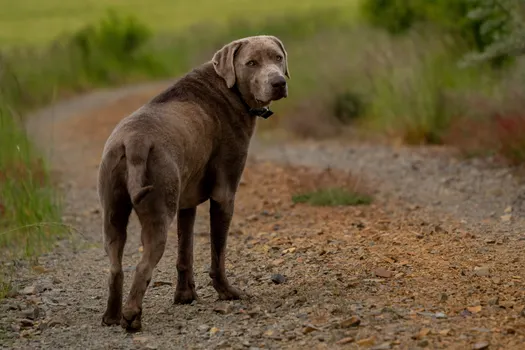
Powerful American water retriever with a waterproof coat, strong loyalty, and a more independent edge than many retrievers.
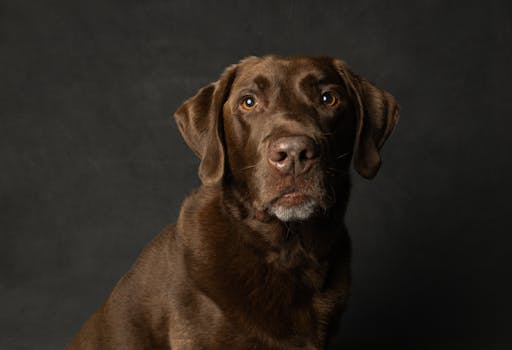
Exuberant and people-oriented gundog; the breed's defining characteristic is its lifelong youthful enthusiasm — and an elevated cancer risk requiring owner awareness.
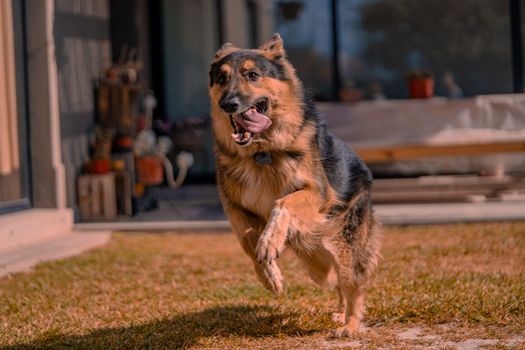
Versatile herding and protection dog known for intelligence and courage; excels in work with steady training.

Friendly gundog bred to retrieve in water; athletic, people-oriented, and eager to please.
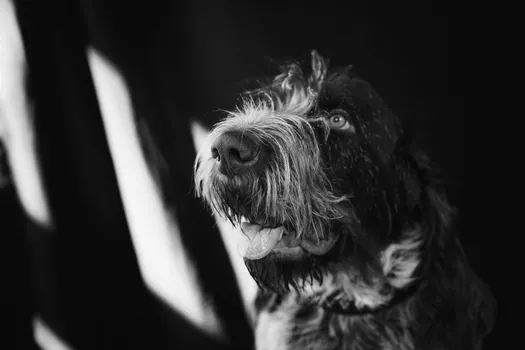
Rugged German gundog with a weatherproof coat, strong hunting drive, and enormous need for outdoor activity.
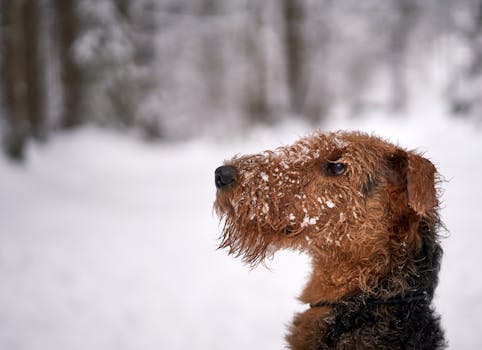
The largest of the terrier breeds; versatile working dog with keen intelligence, stubbornness, and an enthusiastic spirit.
Compare & learn more
Head-to-head comparisons
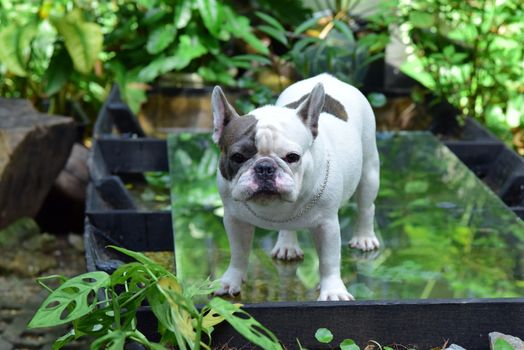
Relevant guides
What makes a breed feel beginner-friendly?
Help improve PupWiki with one quick anonymous answer.
Find my breed match →