
Alaskan Malamute
Powerful Arctic working dog bred to haul heavy loads across frozen terrain; affectionate and playful, but headstrong, a heavy shedder, and genuinely dangerous in hot climates — experienced ownership is essential.
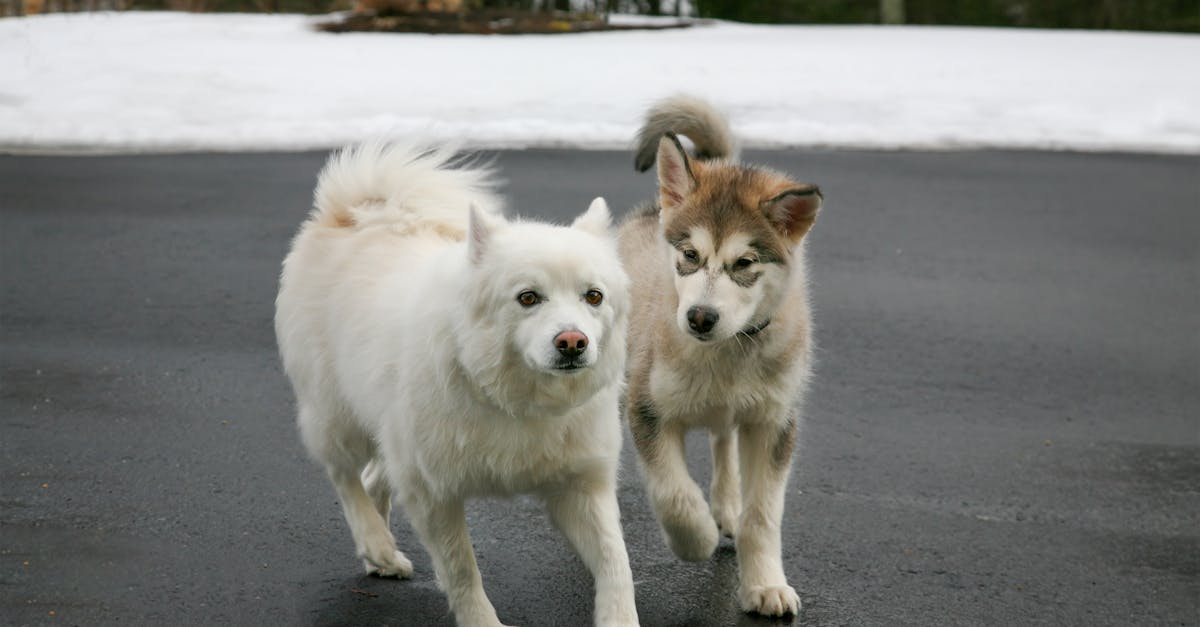
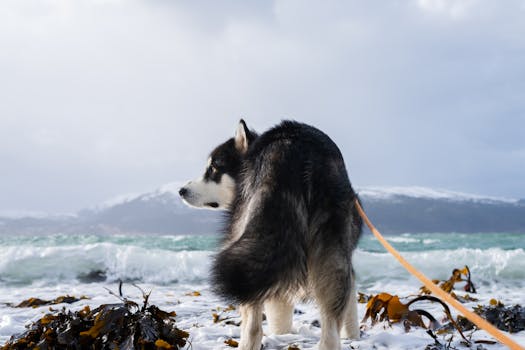
Photo by Mohan Nannapaneni on Pexels
Quick facts: Alaskan Malamute
- Size
- Large
- Weight
- 15.4–19.5 kg
- Origin
- Alaska, USA
- Life span
- 10–14 years
- Temperament
- Affectionate, playful, loyal, stubborn, independent
- Energy level
- High
- Grooming needs
- Medium
- Trainability
- High
- Apartment fit
- Very‑low
- Typical annual cost
- ~$2,700
Is the Alaskan Malamute right for you?
Best for
- Active, experienced owners in cold or temperate climates with space for a large, high-energy breed
- Households committed to dog sports such as weight pulling, skijoring, or canicross
- Owners who can provide consistent, patient leadership for a headstrong working breed
- Families with older children seeking a playful, affectionate giant companion
Not ideal if
- Owners in warm or hot climates — Malamutes are at serious risk of heat stroke and cannot safely live in high temperatures
- Apartment dwellers or those without a large, very securely fenced yard
- Households with small pets — a strong prey drive can be dangerous for cats and small animals
- First-time owners or those who want a reliably obedient, off-leash breed
A magnificent, pack-oriented breed for experienced, active owners in cool climates — their extreme heat sensitivity, strong prey drive, and stubborn independence make them unsuitable for most urban households.
Trait snapshot
Alaskan Malamute is part of the Working Group — see group tendencies →
Build a personalised training plan for your Alaskan Malamute →
What owners actually say
Malamute owners describe a powerful, loving, and sometimes infuriatingly stubborn dog that cannot function in heat and needs a serious commitment to exercise and containment.
- Energy
Malamutes need 1.5–2 hours of vigorous exercise daily. Without it, they become destructive on a scale that surprises owners. They were bred to pull heavy sleds for miles — a walk around the block is warming up.
- Shedding
The coat is extraordinary in volume. Owners describe 'tufts of fur floating around the house' as a permanent condition. Twice-yearly coat blows require daily grooming for weeks. Not manageable in hot climates.
- Training
Highly intelligent but has a strong independent streak. Commands are understood but selectively obeyed. Food-motivated training works, but the breed tests limits consistently. Not ideal for first-time owners who want reliable obedience.
- Health reality
Heat tolerance is near zero. Malamutes in warm climates require air conditioning, limited midday exercise, and careful monitoring in summer. Heat-related illness risk is high compared to most breeds.
- General
Owners who are prepared for the size, energy, and independence describe a devoted, playful, and comedic companion. The Malamute is deeply affectionate with its family and excellent with children when well-socialised.
Editorial summary. Phase 3 will add structured owner survey data.
Cost snapshot
Range $1,700–$4,500
Range $2,800–$9,000
After first year
Annual breakdown
Assumptions used:
- Large working-dog food volumes with a preference for high-protein diets to support muscle maintenance
- Professional grooming during heavy seasonal shedding, plus investment in de-shedding tools for home brushing
- Air conditioning running costs are effectively non-optional in temperate-to-warm climates for owner and dog safety
Last reviewed: 2026-06-20
Read full methodology →Health watchlist
Health information is educational only. Always consult your veterinarian.
Hip dysplasia
Hip dysplasia is a well-documented concern in the Alaskan Malamute. OFA or PennHIP radiographic screening of parent dogs is standard in responsible breeding programs. Consult your vet about appropriate screening and weight management strategies.
Chondrodysplasia (dwarfism)
An inherited skeletal disorder causing disproportionate limb shortening; the Alaskan Malamute is one of the few large breeds with a documented form of this condition. DNA testing of parent dogs is available and used by responsible breeders. Consult your vet if you notice abnormal limb proportions or gait in a puppy.
Hereditary cataracts
Hereditary cataracts are reported in the breed and can cause progressive vision loss if untreated. CAER (Companion Animal Eye Registry) eye examination of breeding stock is recommended. Consult your vet if you notice clouding, tearing, or behavioural changes consistent with vision impairment.
Hypothyroidism
Occurs at above-average rates. Monitor for unexplained weight gain, lethargy, or coat changes. Consult your vet for guidance specific to your dog.
Polyneuropathy
A hereditary neurological condition in the breed. Responsible breeders test for it. Consult your vet for guidance specific to your dog.
Check your fit
Answer a few questions to see how a Alaskan Malamute fits your household.
Frequently asked questions
Can an Alaskan Malamute live in a warm climate?
Are Alaskan Malamutes good with other dogs?
How much exercise does an Alaskan Malamute need?
How much does it cost to own a Alaskan Malamute?
What health problems are Alaskan Malamutes prone to?
How much grooming does a Alaskan Malamute need?
Are Alaskan Malamutes easy to train?
Are Alaskan Malamutes good apartment dogs?
Are Alaskan Malamutes good for first-time owners?
Tools for Alaskan Malamute owners
Similar breeds to the Alaskan Malamute
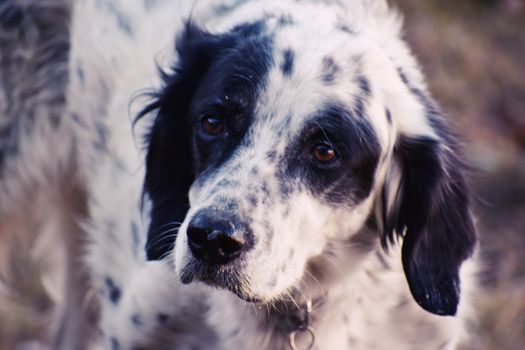
Elegant, gentle sporting dog with distinctive speckled coat; energetic and affectionate but requires significant daily exercise and regular coat maintenance.
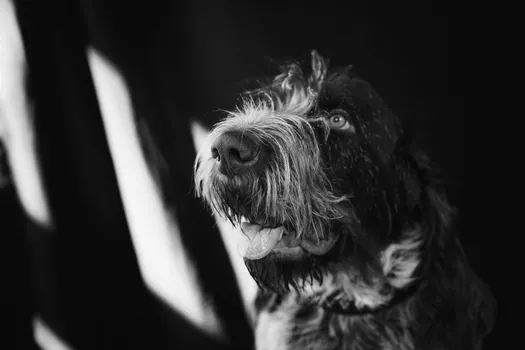
Rugged German gundog with a weatherproof coat, strong hunting drive, and enormous need for outdoor activity.
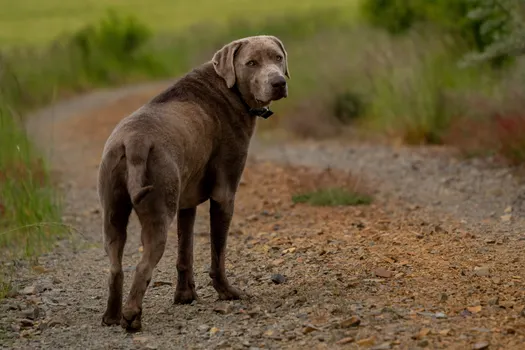
Powerful American water retriever with a waterproof coat, strong loyalty, and a more independent edge than many retrievers.
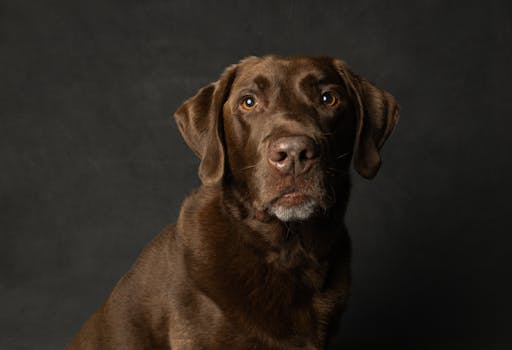
Exuberant and people-oriented gundog; the breed's defining characteristic is its lifelong youthful enthusiasm — and an elevated cancer risk requiring owner awareness.
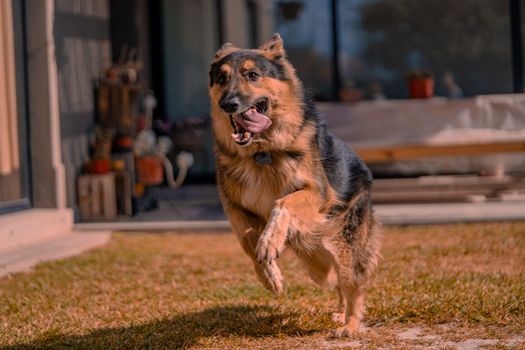
Versatile herding and protection dog known for intelligence and courage; excels in work with steady training.
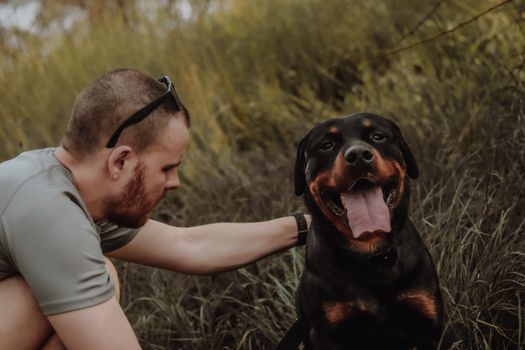
Powerful droving and guardian breed; loyal to family and thrives with clear leadership and work.
Compare & learn more
Head-to-head comparisons
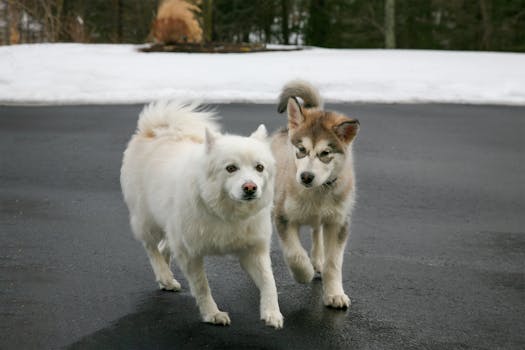
What is your ideal adult dog size?
Help improve PupWiki with one quick anonymous answer.
Find my breed match →