
Rottweiler
Powerful droving and guardian breed; loyal to family and thrives with clear leadership and work.

Photo by Екатерина Мясоед on Pexels
Quick facts: Rottweiler
- Size
- Large
- Weight
- 43.1–61.2 kg
- Origin
- Germany
- Life span
- 9–10 years
- Temperament
- Confident, watchful, even-tempered, courageous
- Energy level
- High
- Grooming needs
- Low
- Trainability
- Low
- Apartment fit
- Low
- Typical annual cost
- ~$2,700
Is the Rottweiler right for you?
Best for
- Experienced dog owners
- Active households with secure outdoor space
- Those wanting a protective, devoted companion
Not ideal if
- First-time dog owners
- Apartment or small-space living
- Owners who cannot commit to consistent training and socialisation
A powerful, loyal breed that excels with experienced owners, structure, and early socialisation.
Trait snapshot
Rottweiler is part of the Working Group — see group tendencies →
What owners actually say
Rottweiler owners are deliberate about training and socialization from day one — and describe a deeply loyal, emotionally attuned companion as the reward.
- General
Some homeowner and renters insurance policies exclude or surcharge Rottweiler owners. Some rental properties prohibit them outright. Breed-specific legislation exists in certain jurisdictions. Check these practical facts before acquiring one — they are not reasons to avoid the breed, but information every owner needs.
- Training
Rottweilers socialized extensively in puppyhood — with strangers, children, other dogs, and varied environments — grow into confident, controllable adults. Those who miss the socialization window can develop fearful reactivity that is difficult and expensive to address later.
- General
Owners consistently describe Rottweilers as 'velcro dogs' — deeply bonded, sensitive to their owner's moods, and wanting to be close. The stoic exterior often surprises people with how emotionally attuned a well-raised Rottweiler actually is.
- Training
A male Rottweiler can weigh 50–60 kg. An undertrained Rottweiler that pulls on-lead is a serious physical management problem — particularly for smaller adults or elderly family members. Loose-lead walking should be a training priority from the first weeks of puppyhood.
- Health reality
Osteosarcoma and DCM are breed-associated risks that can involve significant diagnostic and treatment costs. Pet insurance covering hereditary conditions, purchased when the dog is young and healthy, is strongly worth considering. Many Rottweiler owners who delayed this decision regret it.
- Training
Rottweilers respond well to clear, fair, consistent training using positive reinforcement. Punitive or dominance-based approaches often backfire — creating distrust rather than compliance. Modern positive-reinforcement trainers with large-breed experience get the best results.
Editorial summary based on owner accounts and breed community feedback.
Cost snapshot
Range $1,700–$4,500
Range $2,800–$9,000
After first year
Annual breakdown
Assumptions used:
- Large breed food (high volume)
- Professional training investment important
- Shorter lifespan may reduce lifetime total
Last reviewed: 2026-06-20
Read full methodology →Health watchlist
Health information is educational only. Always consult your veterinarian.
Hip and elbow dysplasia
Common in large working breeds. OFA certification for parents and weight management are important. Consult your vet for guidance specific to your dog.
Osteosarcoma
Large breeds have higher bone cancer rates. Annual wellness checks are important. Consult your vet for guidance specific to your dog.
Bloat (GDV)
Deep-chested breed with elevated bloat risk. Avoid exercise directly after meals. Consult your vet for guidance specific to your dog.
Bloat/GDV
Deep-chested breed with significant bloat risk. Feed smaller meals and avoid exercise after eating. Discuss preventive gastropexy with your vet.
Check your fit
Answer a few questions to see how a Rottweiler fits your household.
Frequently asked questions
Are Rottweilers good family dogs?
Are Rottweilers suitable for first-time owners?
How much exercise does a Rottweiler need?
How long do Rottweilers live?
How much does it cost to own a Rottweiler?
What health problems are Rottweilers prone to?
How much grooming does a Rottweiler need?
Are Rottweilers easy to train?
Are Rottweilers good apartment dogs?
Tools for Rottweiler owners
Similar breeds to the Rottweiler
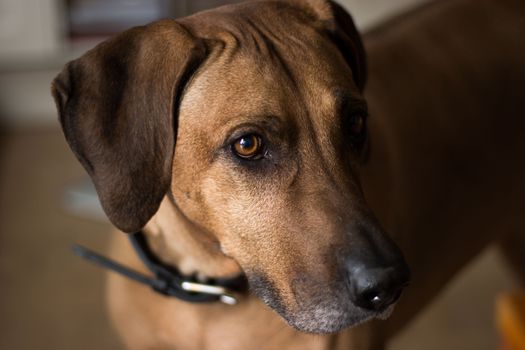
Powerful hound developed to track lions; loyal and protective, with an independent nature requiring experienced handling.

Muscular working and family guard; exuberant and people-loving with a clownish streak.
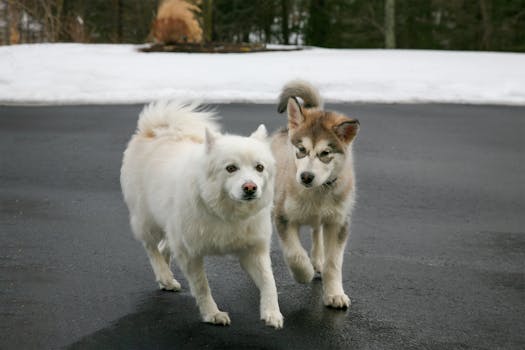
Powerful Arctic working dog bred to haul heavy loads across frozen terrain; affectionate and playful, but headstrong, a heavy shedder, and genuinely dangerous in hot climates — experienced ownership is essential.
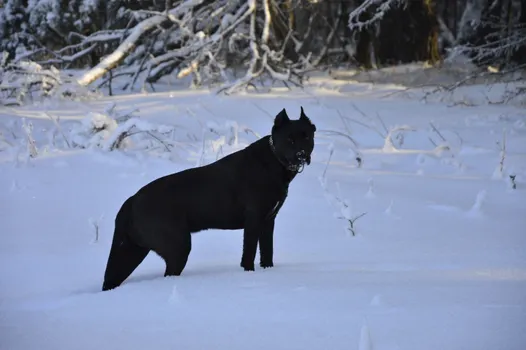
Large Italian mastiff-type guardian; confident, deeply loyal, and powerful, with serious training and management requirements.
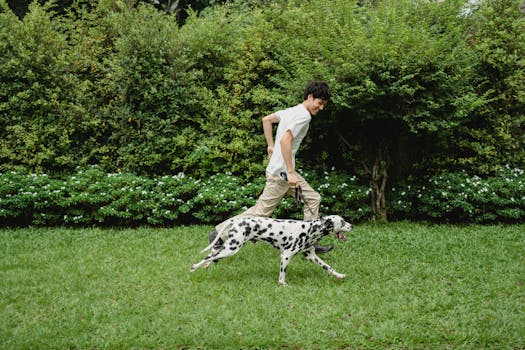
Iconic spotted carriage dog with very high endurance and energy; athletic and loyal but not suitable for sedentary households, first-time owners, or apartment living.
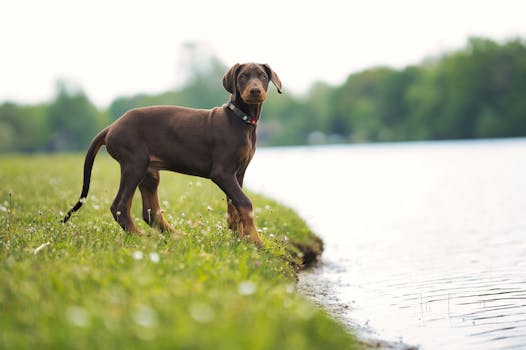
Powerful protection and working breed; highly intelligent, loyal, and among the most trainable dogs when given structure.
Compare & learn more
Head-to-head comparisons


Relevant guides
What matters most when choosing a dog breed?
Help improve PupWiki with one quick anonymous answer.
Find my breed match →