
Dalmatian
Iconic spotted carriage dog with very high endurance and energy; athletic and loyal but not suitable for sedentary households, first-time owners, or apartment living.
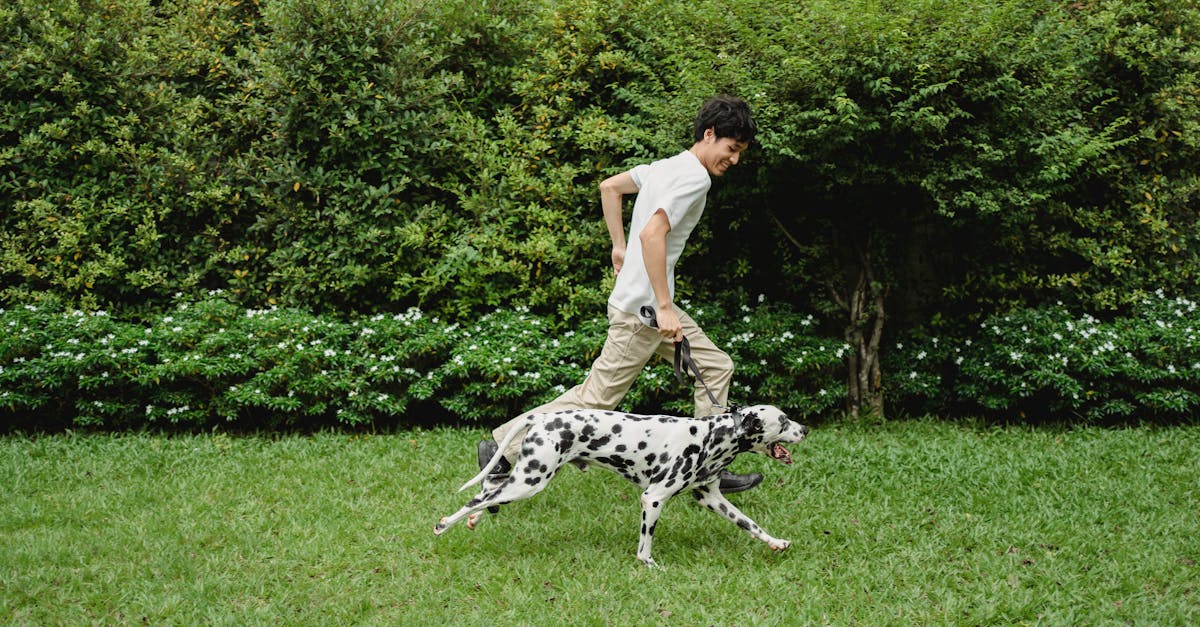
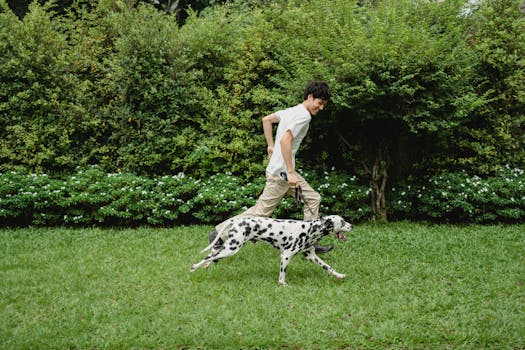
Photo by Bethany Ferr on Pexels
Quick facts: Dalmatian
- Size
- Large
- Weight
- 10.4–14.5 kg
- Origin
- Croatia (Dalmatia region)
- Life span
- 11–13 years
- Temperament
- Energetic, loyal, outgoing, sensitive
- Energy level
- Very‑high
- Grooming needs
- Low
- Trainability
- Medium
- Apartment fit
- Very‑low
- Typical annual cost
- ~$2,700
Is the Dalmatian right for you?
Best for
- Very active owners who run, cycle, or have high exercise capacity
- Families with older children who enjoy an energetic, active dog
- Experienced owners familiar with high-drive breeds
Not ideal if
- Sedentary households or owners unable to provide 90+ minutes of vigorous daily exercise
- Apartment living
- First-time dog owners
- Owners wanting a biddable, easily trained breed
A stunning, athletic breed for committed active owners — high energy, sensitivity, and deafness risk require experienced ownership and daily rigorous exercise.
Trait snapshot
Dalmatian is part of the Non-Sporting Group — see group tendencies →
What owners actually say
Dalmatian owners describe a stunning, athletic breed that is enormously rewarding for active owners — but consistently warn that the energy needs, sensitivity, and deafness risk are severely underestimated by first-time buyers.
- Energy
The exercise requirement is relentless and not seasonal. Owners describe a breed that needs 90+ minutes of vigorous exercise every single day regardless of weather. Running partners and cycling companions are described as essential, not optional.
- Training
Intelligent but sensitive — harsh handling causes shutdown or reactivity. Owners who use positive reinforcement describe a responsive, capable training partner. The breed has an independent streak that challenges biddability.
- Health reality
Deafness (partial or complete) affects a significant proportion of the breed. Owners strongly recommend BAER testing of all puppies before purchase. Unilaterally deaf dogs function normally but owners benefit from knowing.
- Shedding
The short white coat sheds constantly and the hairs embed in fabric. Owners describe a year-round lint roller requirement. The shedding is heavier than most people expect from a smooth-coated breed.
- General
Devoted and playful with family, excellent with older children who enjoy active play. Owners describe a breed that brings high energy and joy to active households — but the '101 Dalmatians effect' of impulse purchase is a recurring theme in rescue.
Editorial summary. Phase 3 will add structured owner survey data.
Cost snapshot
Range $1,700–$4,500
Range $2,800–$9,000
After first year
Annual breakdown
Assumptions used:
- Low grooming cost (short coat)
- Dietary management for urate stones may affect food choices
- High activity costs for a very energetic breed
- BAER test certificate — confirm this was done before purchase
Last reviewed: 2026-06-20
Read full methodology →Health watchlist
Health information is educational only. Always consult your veterinarian.
Deafness (BAER testing)
Dalmatians have one of the highest rates of congenital deafness of any breed — approximately 8% are bilaterally deaf, 22% unilaterally deaf. BAER (brainstem auditory evoked response) testing should be performed on all puppies. Ask breeders for BAER test results. Consult your vet.
Urinary stones (urate crystals)
Dalmatians have a unique purine metabolism that causes high uric acid levels, making them prone to urate bladder and kidney stones. Dietary management (low-purine diet) and hydration are important. Discuss with your vet before purchase.
Hip dysplasia
Present at moderate rates. OFA evaluation is used by responsible breeders. Consult your vet.
Skin allergies
Atopic dermatitis is common. Watch for persistent scratching, hot spots, or ear infections. Consult your vet for guidance specific to your dog.
Bloat/GDV
Deep-chested breed with moderate bloat risk. Feed smaller meals and avoid vigorous exercise after eating. Consult your vet for guidance specific to your dog.
Check your fit
Answer a few questions to see how a Dalmatian fits your household.
Frequently asked questions
Are Dalmatians good family dogs?
Why do Dalmatians have spots?
How much exercise does a Dalmatian need?
What is the BAER deafness test?
How much does it cost to own a Dalmatian?
What health problems are Dalmatians prone to?
How much grooming does a Dalmatian need?
Are Dalmatians easy to train?
Are Dalmatians good apartment dogs?
Are Dalmatians good for first-time owners?
Tools for Dalmatian owners
Similar breeds to the Dalmatian

Muscular working and family guard; exuberant and people-loving with a clownish streak.
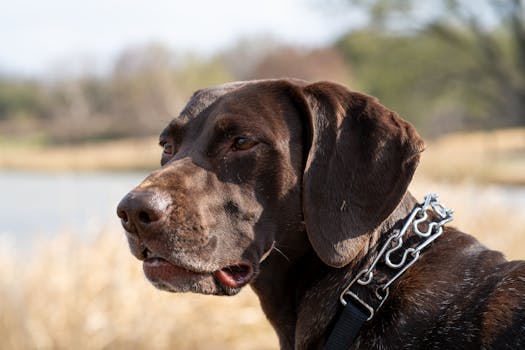
Versatile German gun dog built for endurance and athleticism; friendly, eager-to-please, and excellent with active families — but one of the highest-energy breeds in existence and a poor match for sedentary households.
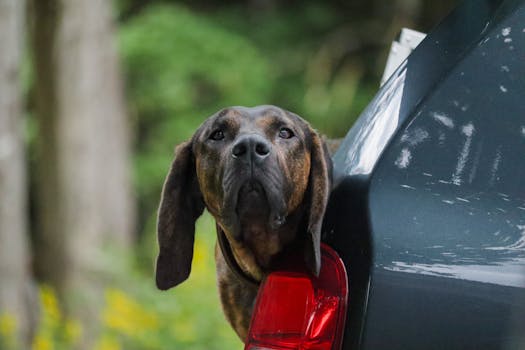
Fearless, determined, and athletically built, the Plott Hound is a distinctly American hunting breed with a brindle coat, penetrating voice, and an unwavering drive that demands an active, experienced owner.
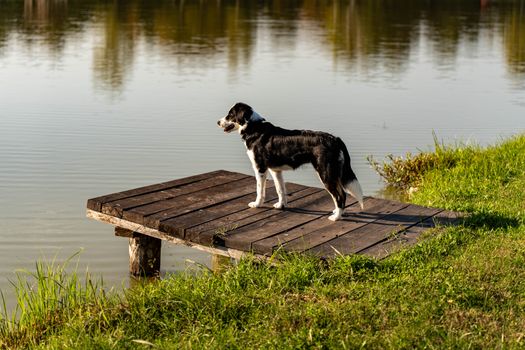
Fast, confident, and relentlessly driven, the Treeing Walker Coonhound is a versatile American hunting hound with a powerful melodic voice and warm family temperament — provided their enormous exercise needs are met.
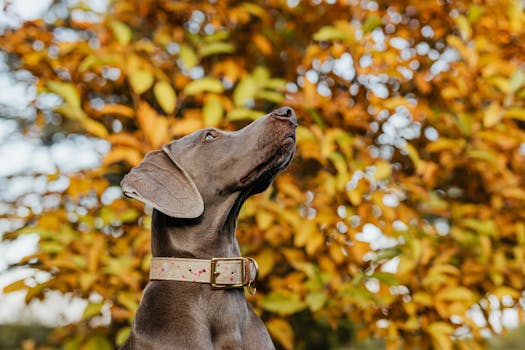
The 'Grey Ghost' — a high-performance sporting dog with striking silver-grey coat, boundless stamina, and an intensely people-bonded temperament.
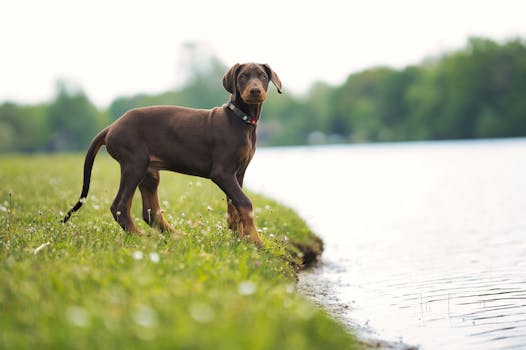
Powerful protection and working breed; highly intelligent, loyal, and among the most trainable dogs when given structure.
Compare & learn more
Head-to-head comparisons
Relevant guides
How important is apartment fit?
Help improve PupWiki with one quick anonymous answer.
Find my breed match →