
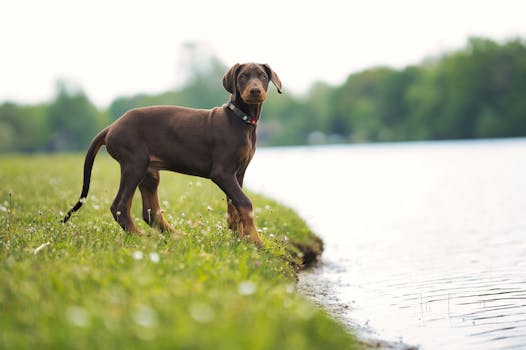
Doberman Pinscher
Powerful protection and working breed; highly intelligent, loyal, and among the most trainable dogs when given structure.
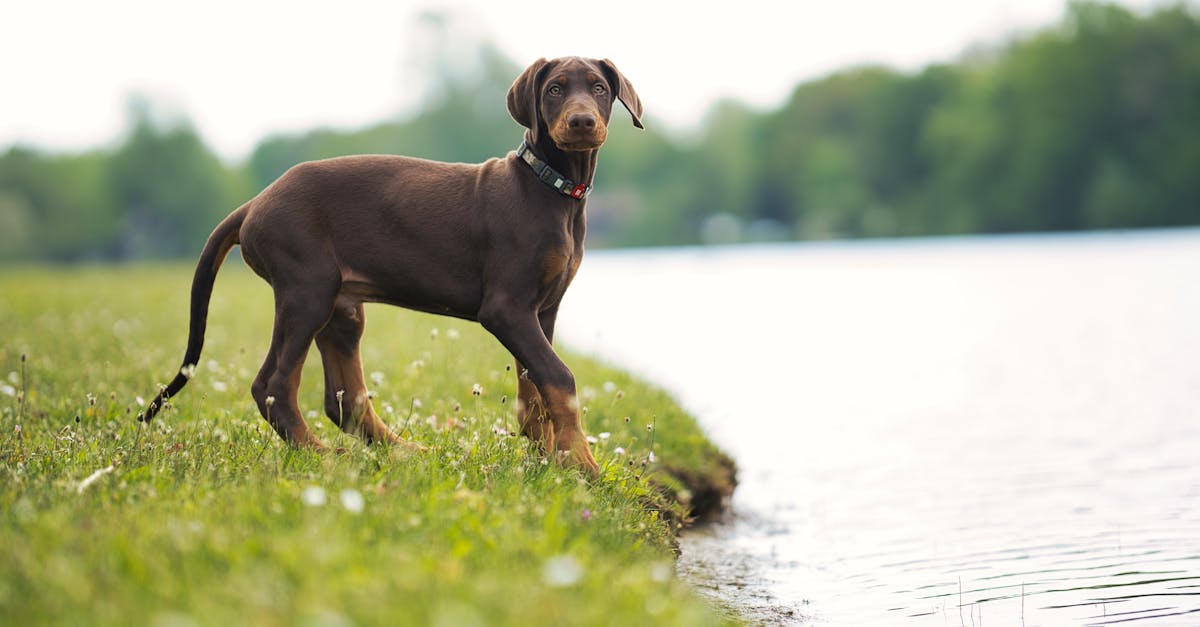
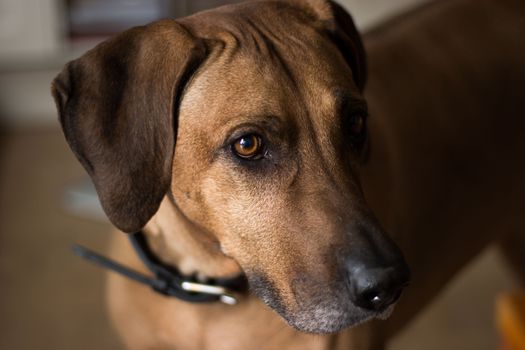
Photo by Ruben Boekeloo on Pexels
Quick facts: Doberman Pinscher
- Size
- Large
- Weight
- 34–45.4 kg
- Origin
- Germany
- Life span
- 10–12 years
- Temperament
- Loyal, fearless, alert, obedient
- Energy level
- Very‑high
- Grooming needs
- Very‑low
- Trainability
- Very‑low
- Apartment fit
- Low
- Typical annual cost
- ~$2,700
Is the Doberman Pinscher right for you?
Best for
- Experienced dog owners
- Active individuals wanting a protection-capable companion
- Those committed to consistent training and socialisation
- Households with responsible supervision of children
Not ideal if
- First-time dog owners
- Apartment or very small-space living
- Owners who cannot commit to daily vigorous exercise and mental stimulation
An elite working companion for experienced owners — trainable and devoted, but demands structure and cardiac vigilance.
Trait snapshot
Doberman Pinscher is part of the Working Group — see group tendencies →
What owners actually say
Doberman owners celebrate the breed’s intelligence and loyalty — and are honest about the cardiac health commitment and the exercise demands.
- Health reality
Cardiac screening is non-negotiable — most experienced owners set up annual Holter monitoring as a baseline. Those who didn’t often describe it as their biggest regret.
- exercise
High-energy breed that genuinely needs 2+ hours of vigorous activity. Owners who exercise them adequately describe a calm, manageable companion indoors.
- Training
Among the easiest breeds to train. Owners consistently describe rapid learning and eagerness to work. Professional obedience classes early are strongly recommended.
- Alone time
Velcro dogs — they bond intensely and don’t enjoy being alone. Owners who work long hours often report anxiety behaviour without structured enrichment.
- cold-weather
Short coat means they feel the cold. Owners in cold climates use dog coats for outdoor time in winter.
- General
Experienced owners describe Dobermans as the ultimate companion for the right person: fiercely loyal, intuitive, and deeply satisfying to train and live with.
Editorial summary based on owner accounts and breed community feedback.
Cost snapshot
Range $1,700–$4,500
Range $2,800–$9,000
After first year
Annual breakdown
Assumptions used:
- Large breed food (higher volume)
- Cardiac (DCM) screening recommended
- Professional training investment worthwhile
Last reviewed: 2026-06-20
Read full methodology →Health watchlist
Health information is educational only. Always consult your veterinarian.
Dilated Cardiomyopathy (DCM)
DCM is the leading cause of death in Dobermans. Annual cardiac screening with echocardiogram and Holter monitor is strongly recommended. Choose breeders who cardiac-test their stock. Consult your vet for guidance specific to your dog.
Von Willebrand's Disease
Hereditary bleeding disorder more common in Dobermans. DNA testing is available from reputable breeders. Consult your vet for guidance specific to your dog.
Wobbler Syndrome (Cervical Spondylomyelopathy)
Occurs in large deep-chested breeds. Watch for neck pain, stumbling, or abnormal gait and consult your vet promptly. Consult your vet for guidance specific to your dog.
Bloat/GDV
Deep-chested breed with high bloat risk. Feed smaller meals and avoid vigorous exercise after eating. Discuss preventive gastropexy with your vet.
Hypothyroidism
Occurs at above-average rates. Routine thyroid panels are recommended. Consult your vet for guidance specific to your dog.
Check your fit
Answer a few questions to see how a Doberman Pinscher fits your household.
Frequently asked questions
Are Doberman Pinschers aggressive?
Are Dobermans easy to train?
Do Dobermans have heart problems?
How much exercise does a Doberman need?
How much does it cost to own a Doberman Pinscher?
What health problems are Doberman Pinschers prone to?
How much grooming does a Doberman Pinscher need?
Are Doberman Pinschers good apartment dogs?
Are Doberman Pinschers good for first-time owners?
How long do Doberman Pinschers live?
Tools for Doberman Pinscher owners
Similar breeds to the Doberman Pinscher

Muscular working and family guard; exuberant and people-loving with a clownish streak.
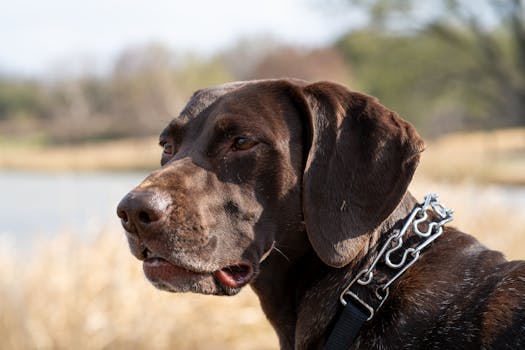
Versatile German gun dog built for endurance and athleticism; friendly, eager-to-please, and excellent with active families — but one of the highest-energy breeds in existence and a poor match for sedentary households.
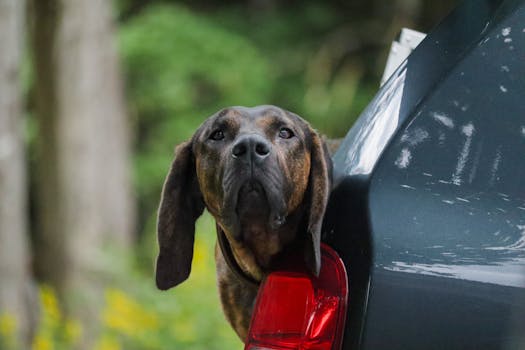
Fearless, determined, and athletically built, the Plott Hound is a distinctly American hunting breed with a brindle coat, penetrating voice, and an unwavering drive that demands an active, experienced owner.
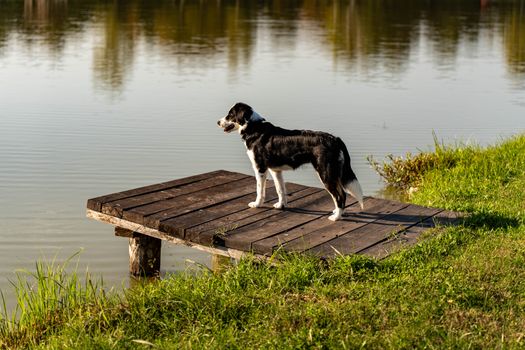
Fast, confident, and relentlessly driven, the Treeing Walker Coonhound is a versatile American hunting hound with a powerful melodic voice and warm family temperament — provided their enormous exercise needs are met.
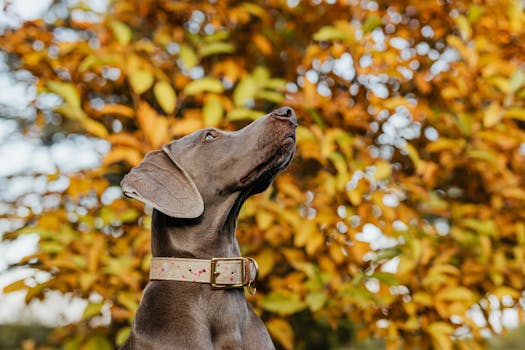
The 'Grey Ghost' — a high-performance sporting dog with striking silver-grey coat, boundless stamina, and an intensely people-bonded temperament.
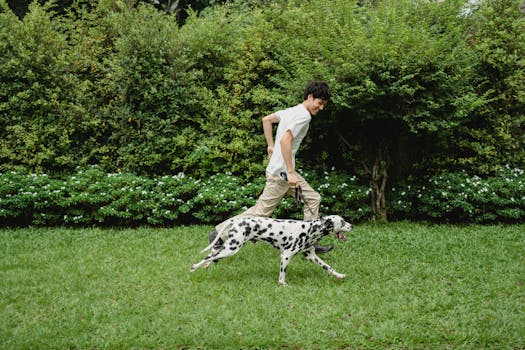
Iconic spotted carriage dog with very high endurance and energy; athletic and loyal but not suitable for sedentary households, first-time owners, or apartment living.
Compare & learn more
Head-to-head comparisons
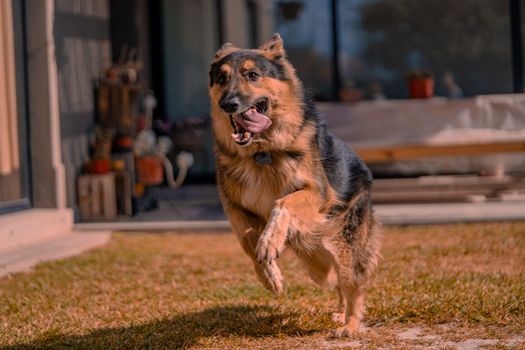

Relevant guides
After reading this breed page, what are you still unsure about?
Help improve PupWiki with one quick anonymous answer.
Compare breeds →