
German Shorthaired Pointer
Versatile German gun dog built for endurance and athleticism; friendly, eager-to-please, and excellent with active families — but one of the highest-energy breeds in existence and a poor match for sedentary households.
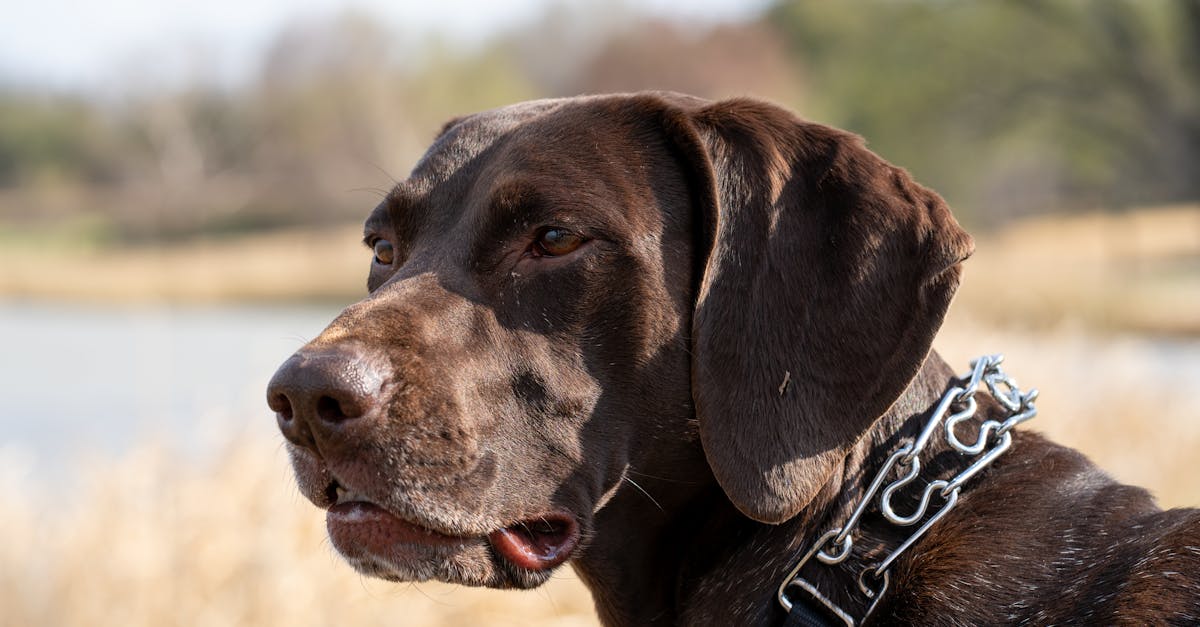
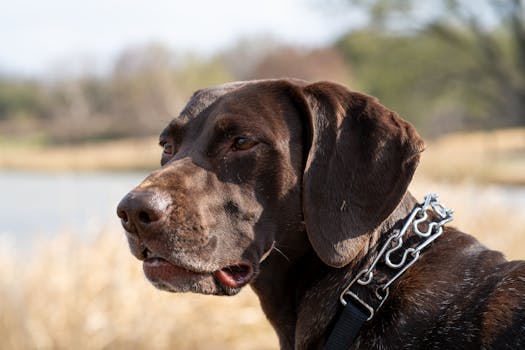
Photo by gabesdotphotos photographer on Pexels
Quick facts: German Shorthaired Pointer
- Size
- Large
- Weight
- 11.3–14.5 kg
- Origin
- Germany
- Life span
- 12–14 years
- Temperament
- Friendly, intelligent, willing, energetic
- Energy level
- Very‑high
- Grooming needs
- Very‑low
- Trainability
- Low
- Apartment fit
- Very‑low
- Typical annual cost
- ~$2,700
Is the German Shorthaired Pointer right for you?
Best for
- Active families or individuals who run, cycle, hike, or hunt regularly
- Owners with access to large, securely fenced outdoor space
- Households seeking a loyal, affectionate, and highly trainable companion
- Those interested in dog sports such as agility, field trials, or canicross
Not ideal if
- Sedentary households or owners who cannot provide 2+ hours of vigorous daily exercise
- Apartment or small-home living without immediate access to open space
- Owners who work long hours and cannot prevent extended periods alone (separation anxiety is common)
- Those wanting a calm, low-maintenance breed
One of the finest all-round sporting dogs for active families — but their extraordinary exercise needs make them unsuitable for anyone who cannot commit to 2+ hours of vigorous activity every day.
Trait snapshot
German Shorthaired Pointer is part of the Sporting Group — see group tendencies →
What owners actually say
GSP owners consistently warn that the energy level is even higher than expected — this is a breed that needs two hours of vigorous daily exercise, not a walk around the block.
- Energy
The GSP is not a casual dog. Owners who underestimate the exercise needs end up with a dog that destroys furniture, barks obsessively, or develops anxiety. Off-leash running or field work several times a week is the baseline.
- Training
Highly intelligent and handler-focused when trained from puppyhood. Responds well to positive methods and loves having a job. Many GSP owners find the breed deeply rewarding for active families who commit to training.
- Grooming
The short, wash-and-wear coat is genuinely low maintenance — one of the breed's practical upsides. Brushing once a week is sufficient outside of seasonal shedding periods.
- Health reality
Bloat (GDV) is a real concern in the breed given the deep chest. Owners should learn to recognise early signs (distended abdomen, unproductive retching) and know their nearest emergency vet.
- General
Owners who match the GSP's energy level describe an extraordinary companion — versatile, athletic, affectionate, and funny. The breed is deeply rewarding for the right active lifestyle.
Editorial summary. Phase 3 will add structured owner survey data.
Cost snapshot
Range $1,700–$4,500
Range $2,800–$9,000
After first year
Annual breakdown
Assumptions used:
- High-energy dogs require larger food portions and high-quality protein-dense diets
- Dog sport participation, professional training, or field trial costs for owners pursuing working activities
- Cardiac and orthopaedic screening costs throughout the dog's life, plus bloat emergency readiness
Last reviewed: 2026-06-20
Read full methodology →Health watchlist
Health information is educational only. Always consult your veterinarian.
Hip dysplasia
Hip dysplasia is a significant health concern in German Shorthaired Pointers. OFA or PennHIP screening of parent dogs is considered essential in responsible breeding programs. Consult your vet about appropriate screening for your dog.
Bloat (gastric dilatation-volvulus)
As a deep-chested large breed, GSPs are at elevated risk of bloat — a life-threatening condition requiring emergency veterinary care. Feeding smaller meals, avoiding exercise immediately after eating, and knowing the signs are critical. Consult your vet about prophylactic gastropexy options.
Subaortic stenosis (SAS)
Inherited heart defect causing narrowing of the outflow tract from the left ventricle; can range from mild to severe. Cardiac screening of breeding stock is recommended by the breed health committee. Consult your vet for cardiac auscultation at puppy health checks.
Hypothyroidism
Occurs at moderate rates. Routine thyroid panels are recommended, especially with weight or energy changes. Consult your vet for guidance specific to your dog.
Entropion
Eyelid issues can occur and may require surgical correction. Watch for excessive tearing. Consult your vet for guidance specific to your dog.
Check your fit
Answer a few questions to see how a German Shorthaired Pointer fits your household.
Frequently asked questions
How much exercise does a German Shorthaired Pointer need?
Are German Shorthaired Pointers good with children?
Do German Shorthaired Pointers shed a lot?
How much does it cost to own a German Shorthaired Pointer?
What health problems are German Shorthaired Pointers prone to?
How much grooming does a German Shorthaired Pointer need?
Are German Shorthaired Pointers easy to train?
Are German Shorthaired Pointers good apartment dogs?
Are German Shorthaired Pointers good for first-time owners?
How long do German Shorthaired Pointers live?
Tools for German Shorthaired Pointer owners
Similar breeds to the German Shorthaired Pointer

Fearless, determined, and athletically built, the Plott Hound is a distinctly American hunting breed with a brindle coat, penetrating voice, and an unwavering drive that demands an active, experienced owner.
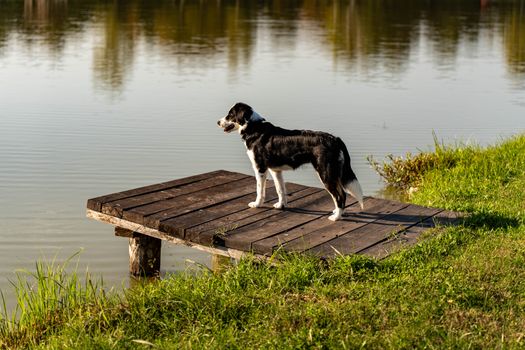
Fast, confident, and relentlessly driven, the Treeing Walker Coonhound is a versatile American hunting hound with a powerful melodic voice and warm family temperament — provided their enormous exercise needs are met.

The 'Grey Ghost' — a high-performance sporting dog with striking silver-grey coat, boundless stamina, and an intensely people-bonded temperament.
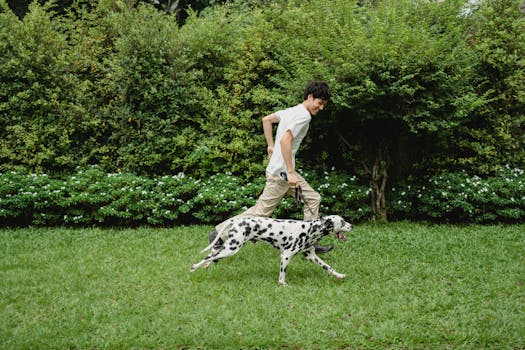
Iconic spotted carriage dog with very high endurance and energy; athletic and loyal but not suitable for sedentary households, first-time owners, or apartment living.
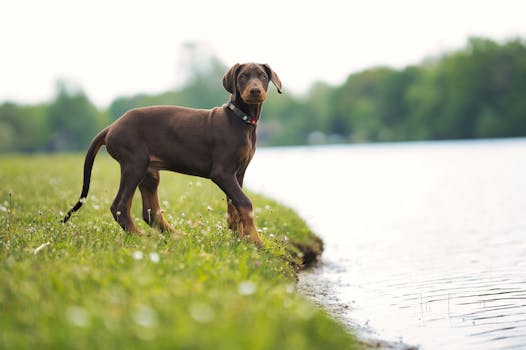
Powerful protection and working breed; highly intelligent, loyal, and among the most trainable dogs when given structure.

Muscular working and family guard; exuberant and people-loving with a clownish streak.
Compare & learn more
Head-to-head comparisons
Relevant guides
Would a breed fit quiz help you choose?
Help improve PupWiki with one quick anonymous answer.
Find my breed match →