
Cane Corso
Large Italian mastiff-type guardian; confident, deeply loyal, and powerful, with serious training and management requirements.

Photo by Сергей ЮССтудия on Pexels
Quick facts: Cane Corso
- Size
- Large
- Weight
- 40.8–49.9 kg
- Origin
- Italy
- Life span
- 9–12 years
- Temperament
- Affectionate with family, intelligent, assertive, protective
- Energy level
- Medium‑high
- Grooming needs
- Very‑low
- Trainability
- Medium‑high
- Apartment fit
- Low
- Typical annual cost
- ~$3,100
Is the Cane Corso right for you?
Best for
- Experienced large-breed owners
- Homes wanting a calm but watchful guardian
- Owners committed to early socialisation and professional training
- Households with secure space and clear routines
Not ideal if
- You are a first-time dog owner
- You want an easygoing dog-park social butterfly
- You cannot manage strength, boundaries, and visitor introductions
- Breed restrictions or insurance limits are likely in your area
A serious guardian breed for experienced owners who can provide structure, training, and secure management.
Trait snapshot
Cane Corso is part of the Working Group — see group tendencies →
What owners actually say
Cane Corso owners consistently highlight the breed's loyalty, calm household presence, and serious guardian nature — and warn that training, strength management, and public responsibility are non-negotiable.
- General
Owners often describe the Cane Corso as calm in the home but extremely aware of everything happening around the property. The watchful temperament is a feature, not a bug.
- Training
The biggest owner-success factor is structure. Families who start obedience, leash manners, crate routines, and visitor protocols early report a much easier adult dog.
- Apartment life
Apartment living is difficult not because every Corso is hyperactive, but because size, breed restrictions, elevator encounters, and guest management create constant friction.
- Energy
Many owners are surprised that the breed is not a frantic athlete. The harder part is giving purposeful work, impulse control, and calm leadership every day.
- Health reality
Food, orthopedic screening, and large-dog vet costs add up quickly. Owners who budget like they are getting an extra-large working breed are less surprised.
- General
In the right hands, owners value the breed's loyalty, seriousness, and close family bond. In the wrong hands, the same traits become management problems.
Editorial summary based on owner accounts, breed-community patterns, and breed-purpose analysis. Phase 3 can replace or supplement these notes with structured owner survey data.
Cost snapshot
Range $1,800–$5,600
Range $3,500–$11,000
After first year
Annual breakdown
Assumptions used:
- Large-breed food and medication dosing
- Professional training strongly recommended
- Higher liability, boarding, and vet-cost variability
Last reviewed: 2026-07-02
Read full methodology →Health watchlist
Health information is educational only. Always consult your veterinarian.
Hip and elbow dysplasia
Large, heavy guardian breeds benefit from responsible breeding, orthopedic screening, lean body condition, and controlled growth during puppyhood. Consult your vet for guidance specific to your dog.
Bloat/GDV
Deep-chested large dogs can be vulnerable to gastric dilatation-volvulus. Feed measured meals, avoid hard exercise around meals, and discuss emergency signs and preventive options with your veterinarian.
Eyelid conditions
Entropion or ectropion can occur in mastiff-type breeds and may cause irritation or tearing. Persistent eye redness, squinting, or discharge warrants a veterinary exam.
Cardiac screening
Large guardian breeds should receive routine wellness checks, and breeders may screen for inherited heart concerns. Ask your vet which cardiac checks make sense for age and family history.
Weight management and joint load
Extra weight increases orthopedic strain. Keep the dog lean, build muscle gradually, and avoid repetitive high-impact exercise while growing. Ask your vet for guidance specific to your dog.
Check your fit
Answer a few questions to see how a Cane Corso fits your household.
Frequently asked questions
Is a Cane Corso a good family dog?
Are Cane Corsos good for first-time owners?
How much exercise does a Cane Corso need?
Do Cane Corsos bark a lot?
Can Cane Corsos live in apartments?
How much does it cost to own a Cane Corso?
What health problems are Cane Corsos prone to?
Are Cane Corsos easy to train?
How long do Cane Corsos live?
Tools for Cane Corso owners
Similar breeds to the Cane Corso

Powerful hound developed to track lions; loyal and protective, with an independent nature requiring experienced handling.

Powerful droving and guardian breed; loyal to family and thrives with clear leadership and work.
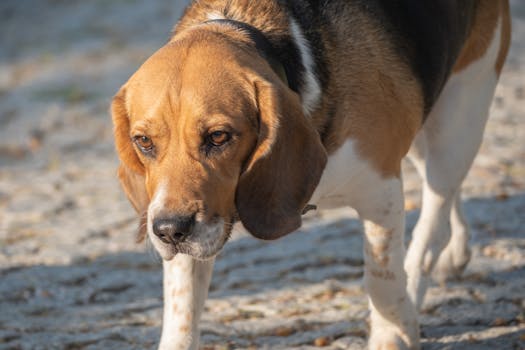
World's finest tracking breed with an extraordinary nose; affectionate and gentle but stubborn, vocal, and prone to following its nose wherever it leads — not a breed for the unprepared.

Powerful protection and working breed; highly intelligent, loyal, and among the most trainable dogs when given structure.

Muscular working and family guard; exuberant and people-loving with a clownish streak.

Muscular, playful English breed with a distinctive egg-shaped head; deeply devoted to family but strong-willed and not suitable for first-time owners.
Compare & learn more
Relevant guides
Would a breed fit quiz help you choose?
Help improve PupWiki with one quick anonymous answer.
Find my breed match →