
Rhodesian Ridgeback
Powerful hound developed to track lions; loyal and protective, with an independent nature requiring experienced handling.
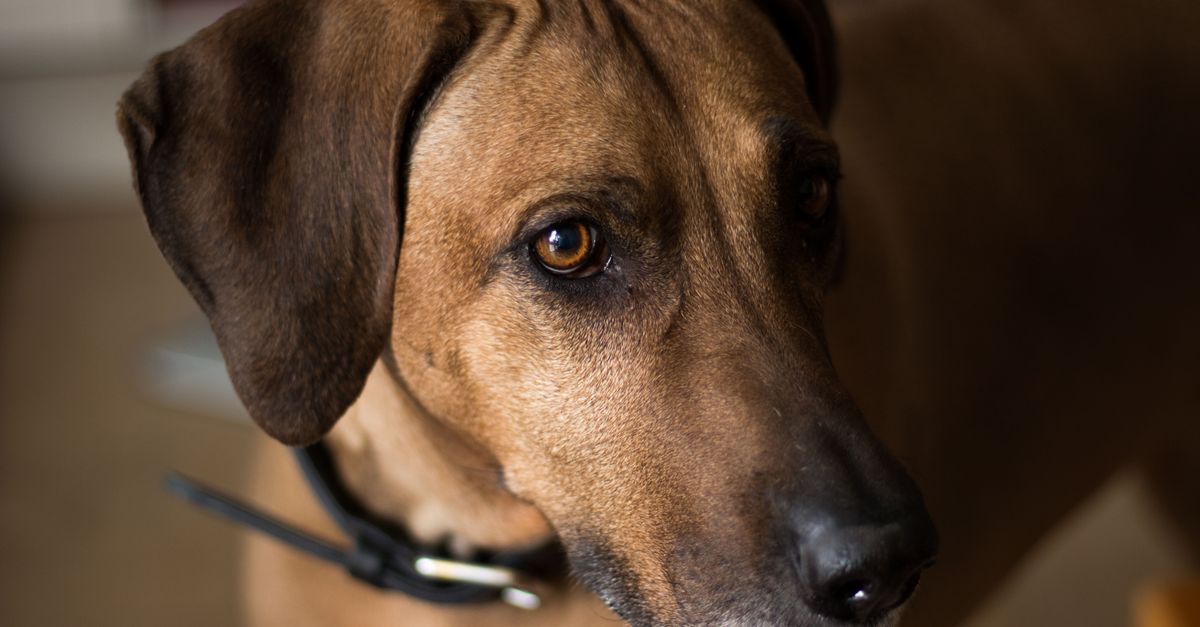
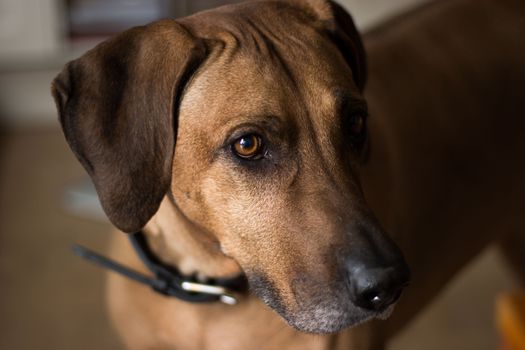
Photo by Julia Barthold on Pexels
Quick facts: Rhodesian Ridgeback
- Size
- Large
- Weight
- 29.5–40.8 kg
- Origin
- Southern Africa
- Life span
- 10–12 years
- Temperament
- Loyal, dignified, strong-willed, reserved
- Energy level
- High
- Grooming needs
- Very‑low
- Trainability
- Medium
- Apartment fit
- Low
- Typical annual cost
- ~$2,700
Is the Rhodesian Ridgeback right for you?
Best for
- Experienced dog owners comfortable with independent breeds
- Active households with space and outdoor access
- Owners seeking a devoted but not clingy companion
Not ideal if
- First-time owners or those expecting instant obedience
- Apartments or homes without significant outdoor space
- Owners who cannot commit to 2+ hours of vigorous daily exercise
A loyal, protective athlete for experienced owners; low-maintenance coat but demanding exercise and confident leadership requirements.
Trait snapshot
Rhodesian Ridgeback is part of the Hound Group — see group tendencies →
What owners actually say
Rhodesian Ridgeback owners describe a loyal, independent, and physically impressive dog that requires experienced handling and clear structure — and rewards it with exceptional companionship.
- Training
Independent and intelligent, but not biddable in the Golden Retriever sense. Owners consistently note that the Ridgeback requires an experienced handler who is confident and consistent. The breed responds well to positive reinforcement but has a strong will; owners who are inconsistent describe a dog that quickly learns it can ignore commands without consequence.
- General
Deeply loyal and bonded to family but often aloof with strangers. Owners describe a dog that is warm and affectionate within its social group but exercises careful judgment about newcomers. Adequate early socialisation is described as essential for preventing excessive wariness.
- Grooming
Among the lowest-maintenance coats of any large breed. Short, dense, and easy to keep clean. Owners who previously owned high-grooming breeds describe the minimal coat maintenance as a significant quality-of-life advantage.
- General
Prey drive is a real management consideration. Off-lead recall is unreliable around small animals. Owners are consistent: a securely fenced garden is essential, and off-lead exercise should be limited to enclosed areas unless the dog has been specifically trained for reliable recall.
- Health reality
Bloat (GDV) risk is elevated as a deep-chested large breed. Owners who have researched the breed are typically aware of this; those who are not describe shock at the emergency nature of the condition. Avoiding vigorous exercise immediately before and after meals is standard management advice.
Editorial summary. Phase 3 will add structured owner survey data.
Cost snapshot
Range $1,700–$4,500
Range $2,800–$9,000
After first year
Annual breakdown
Assumptions used:
- Large-breed food costs
- Minimal grooming costs (short coat, low maintenance)
- Bloat risk — gastropexy surgery often recommended ($1,500-3,000)
Last reviewed: 2026-06-20
Read full methodology →Health watchlist
Health information is educational only. Always consult your veterinarian.
Hip dysplasia
Elevated incidence in the breed. Select breeders who OFA-certify both parents. Maintaining healthy weight and avoiding overwork during puppyhood reduces long-term joint risk. Consult your vet for guidance specific to your dog.
Elbow dysplasia
Worth discussing with your breeder and vet, particularly for working or very active dogs. OFA elbow screening of breeding stock is recommended. Consult your vet for guidance specific to your dog.
Dermoid sinus
A breed-specific neural tube defect presenting as a tubular skin tract along the spine. Reputable breeders examine all puppies before sale; affected pups require surgical correction. Ask your breeder specifically about screening. Consult your vet for guidance specific to your dog.
Bloat (GDV)
Large, deep-chested breeds face elevated bloat risk. Gastropexy surgery (often performed at neutering) significantly reduces risk. Know the warning signs: unproductive retching, distended abdomen, restlessness. Treat as an emergency if suspected. Consult your vet for guidance specific to your dog.
Check your fit
Answer a few questions to see how a Rhodesian Ridgeback fits your household.
Frequently asked questions
What is the ridge on a Rhodesian Ridgeback?
Are Rhodesian Ridgebacks good family dogs?
How much exercise does a Rhodesian Ridgeback need?
Are Rhodesian Ridgebacks difficult to train?
How much does it cost to own a Rhodesian Ridgeback?
What health problems are Rhodesian Ridgebacks prone to?
How much grooming does a Rhodesian Ridgeback need?
Are Rhodesian Ridgebacks good apartment dogs?
Are Rhodesian Ridgebacks good for first-time owners?
How long do Rhodesian Ridgebacks live?
Tools for Rhodesian Ridgeback owners
Similar breeds to the Rhodesian Ridgeback
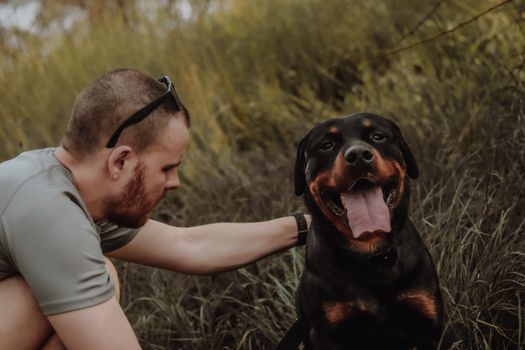
Powerful droving and guardian breed; loyal to family and thrives with clear leadership and work.
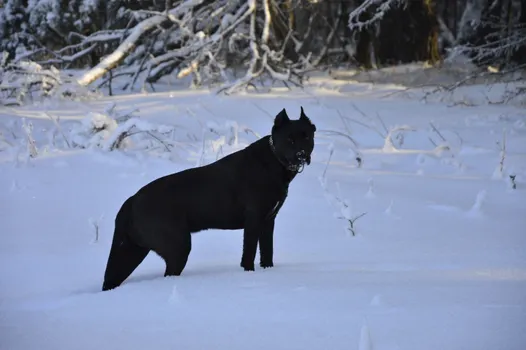
Large Italian mastiff-type guardian; confident, deeply loyal, and powerful, with serious training and management requirements.
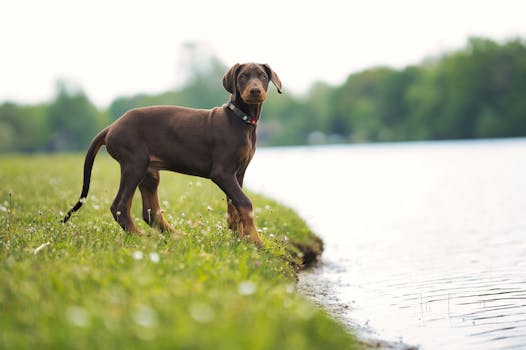
Powerful protection and working breed; highly intelligent, loyal, and among the most trainable dogs when given structure.

Muscular working and family guard; exuberant and people-loving with a clownish streak.
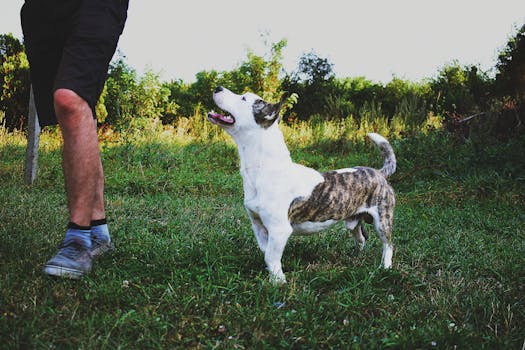
Muscular, playful English breed with a distinctive egg-shaped head; deeply devoted to family but strong-willed and not suitable for first-time owners.
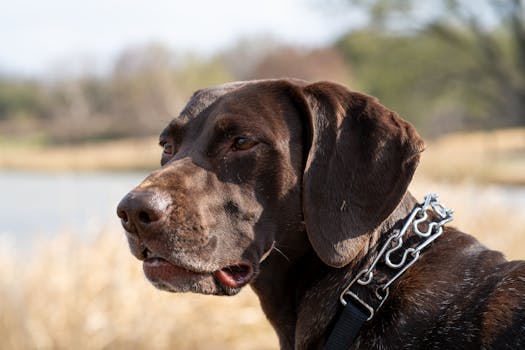
Versatile German gun dog built for endurance and athleticism; friendly, eager-to-please, and excellent with active families — but one of the highest-energy breeds in existence and a poor match for sedentary households.
Compare & learn more
Head-to-head comparisons
Relevant guides
What makes a breed feel beginner-friendly?
Help improve PupWiki with one quick anonymous answer.
Find my breed match →