
Bull Terrier
Muscular, playful English breed with a distinctive egg-shaped head; deeply devoted to family but strong-willed and not suitable for first-time owners.

Quick facts: Bull Terrier
- Size
- Medium
- Weight
- 10–17.2 kg
- Origin
- England
- Life span
- 12–13 years
- Temperament
- Playful, active, devoted, independent
- Energy level
- High
- Grooming needs
- Very‑low
- Trainability
- High
- Apartment fit
- Low
- Typical annual cost
- ~$2,200
Is the Bull Terrier right for you?
Best for
- Experienced owners who enjoy a strong-willed, humorous breed
- Active households with time for training and exercise
- Those wanting a devoted, loyal companion with low grooming needs
Not ideal if
- First-time dog owners — strength and stubbornness require experience
- Multi-pet households (can be intolerant of other animals)
- Families with very young children (boisterous play style)
- Those wanting a highly obedient, biddable breed
Loyal, entertaining, and low-maintenance in grooming — but strong-willed, powerful, and best suited to experienced owners who can provide firm, consistent handling.
Trait snapshot
Bull Terrier is part of the Terrier Group — see group tendencies →
What owners actually say
Bull Terrier owners describe one of the most entertaining, devoted breeds — and are emphatic that the stubbornness and strength require an experienced, patient owner.
- General
The personality is genuinely unlike other breeds. Owners describe a clownish, comical, intensely affectionate dog that makes them laugh daily. The 'bull terrier character' is distinctive and those who love it, love it deeply.
- Training
Training requires patience and creativity. Owners describe a dog that knows exactly what you want and will comply on its own schedule. Harsh methods produce a stubborn, uncooperative dog. Fun, reward-based training with variety keeps them engaged.
- Grooming
Minimal grooming requirements. Short, smooth coat that requires little more than occasional brushing and bathing. One of the lowest-maintenance coats of any medium breed. Owners coming from high-grooming breeds describe the difference as significant.
- Health reality
Deafness testing (BAER) is something many new owners are unaware of at purchase. Owners whose dogs were not BAER tested describe discovering deafness later. Responsible breeders test all puppies — owners should ask for this certificate.
- Energy
Active and playful with bursts of high energy. Owners describe a dog that needs daily exercise and structured play but is also capable of calm periods indoors. Not as continuously demanding as sporting breeds, but not a couch potato either.
Editorial summary. Phase 3 will add structured owner survey data.
Cost snapshot
Range $1,400–$3,800
Range $2,500–$7,500
After first year
Annual breakdown
Assumptions used:
- Very low grooming cost (short smooth coat)
- Training investment recommended (specialist classes beneficial)
- BAER deafness testing is a one-time puppy cost to account for
Last reviewed: 2026-06-20
Read full methodology →Health watchlist
Health information is educational only. Always consult your veterinarian.
Deafness
Congenital deafness is well-documented in Bull Terriers, particularly white and parti-color dogs. BAER testing (brainstem auditory evoked response) should be performed on puppies. Ask breeders about puppy BAER testing. Consult your vet.
Heart disease (SAS and mitral valve)
Subaortic stenosis and mitral valve disease occur in the breed. OFA cardiac examination by a cardiologist is available. Ask breeders about parent cardiac clearances. Consult your vet.
Kidney disease
Polycystic kidney disease is documented in the breed. Screening is available. Ask breeders about testing. Consult your vet.
Skin allergies
Environmental and food allergies are common. Watch for persistent scratching, licking, or ear infections. Consult your vet for guidance specific to your dog.
Patellar luxation
Can occur in the breed. Watch for intermittent lameness or hind-leg skipping. Consult your vet for guidance specific to your dog.
Check your fit
Answer a few questions to see how a Bull Terrier fits your household.
Frequently asked questions
Are Bull Terriers aggressive?
Are Bull Terriers easy to train?
How much exercise does a Bull Terrier need?
Are Bull Terriers good with children?
How much does it cost to own a Bull Terrier?
What health problems are Bull Terriers prone to?
How much grooming does a Bull Terrier need?
Are Bull Terriers good apartment dogs?
Are Bull Terriers good for first-time owners?
How long do Bull Terriers live?
Tools for Bull Terrier owners
Similar breeds to the Bull Terrier

Muscular, people-loving terrier with courage, confidence, and a strong need for responsible socialisation and breed-aware ownership.

Compact, muscular British breed nicknamed 'the nanny dog' for its genuine affection for children; people-loving but can be dog-selective, requiring socialisation and experienced handling.

Athletic, deeply affectionate Hungarian sporting dog nicknamed the 'velcro dog'; thrives with active owners but struggles with extended alone time and is not suited to sedentary households.

Highly intelligent Belgian herding breed favoured by military and police forces worldwide for its extraordinary trainability and relentless work drive; athletic, loyal, and capable of elite performance — but genuinely unsuitable for inexperienced or sedentary owners.

Agile, compact sporting dog with intense field drive, cheerful trainability, and a real need for daily exercise.
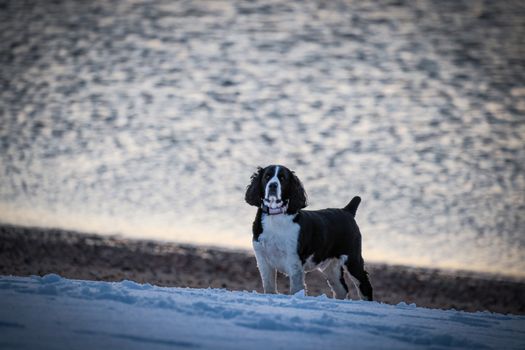
Energetic sporting spaniel bred for flushing and retrieving game; highly trainable, enthusiastic, and family-oriented.
Compare & learn more
Head-to-head comparisons

Would you consider an adult dog instead of a puppy?
Help improve PupWiki with one quick anonymous answer.
Find my breed match →