
Plott Hound
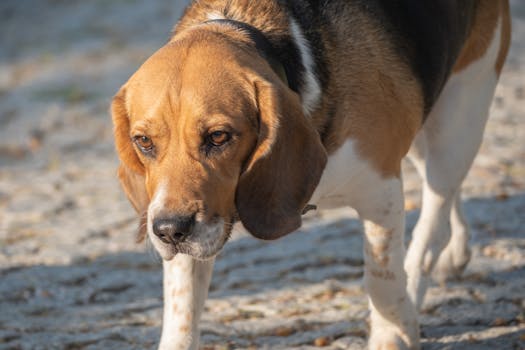
Fearless, determined, and athletically built, the Plott Hound is a distinctly American hunting breed with a brindle coat, penetrating voice, and an unwavering drive that demands an active, experienced owner.
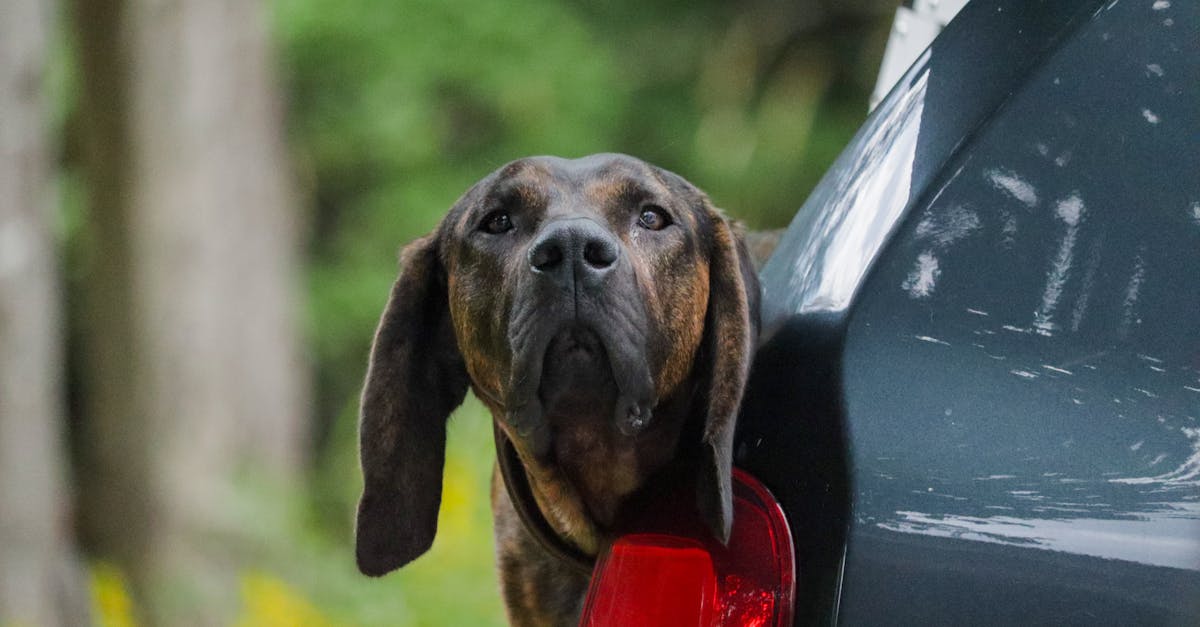
Quick facts: Plott Hound
- Size
- Large
- Weight
- 18.1–27.2 kg
- Origin
- USA
- Life span
- 12–14 years
- Temperament
- Fearless, loyal, alert, intelligent
- Energy level
- Very‑high
- Grooming needs
- Very‑low
- Trainability
- Medium
- Apartment fit
- Very‑low
- Typical annual cost
- ~$2,700
Is the Plott Hound right for you?
Best for
- Active owners with access to land, trails, or hunting opportunities
- Experienced owners familiar with scent-hound temperament and prey drive
- Rural or large-property households where a loud, energetic dog is practical
- Those wanting a hardy, low-grooming working companion
Not ideal if
- Apartment or small-space dwellers — energy and noise levels are ill-suited
- First-time dog owners without scent-hound experience
- Households with cats or small animals due to strong prey drive
- Owners unable to provide 60+ minutes of vigorous daily exercise
A rugged, high-drive hunting breed suited to active rural or suburban owners — not a match for apartments, novice handlers, or low-exercise households.
Trait snapshot
Plott Hound is part of the Hound Group — see group tendencies →
What owners actually say
Plott Hound owners describe a determined, athletic hunting breed with a distinctive bawling voice and an independent streak that rewards patient, experienced owners — rarely the right first dog for someone seeking easy compliance.
- General
The hunting drive is strong and always present. Owners with any access to outdoor space describe a dog that is constantly scanning, scenting, and tracking. On-leash management is a lifelong discipline rather than something that improves with age.
- General
The voice carries. Owners in rural areas describe the baying and howling as part of the experience; owners in suburban or urban settings describe it as a significant management challenge requiring consistent training and mental stimulation to reduce frequency.
- Training
Intelligent but highly independent. Owners describe a dog that understands commands well but weighs up whether to comply based on what is competing for its attention. Scent-based games and structured activities work significantly better than repetition-based obedience drills.
- Alone time
Not well-suited to extended alone time without exercise. Owners who leave a bored Plott describe a persistent, inventive approach to self-entertainment — usually vocal and occasionally destructive.
- Health reality
Generally a robust breed with fewer inherited conditions than many purebreds. Owners describe the main health concerns as gastric (GDV) and the physical demands of high-energy activity on joints — manageable with sensible exercise practices.
Editorial summary. Phase 3 will add structured owner survey data.
Cost snapshot
Range $1,700–$4,500
Range $2,800–$9,000
After first year
Annual breakdown
Assumptions used:
- Active breed — higher exercise and activity costs
- Minimal grooming
Last reviewed: 2026-06-20
Read full methodology →Health watchlist
Health information is educational only. Always consult your veterinarian.
Bloat (Gastric dilatation-volvulus, GDV)
Large, deep-chested breeds like the Plott Hound carry elevated bloat risk. GDV is a life-threatening emergency requiring immediate surgery. Feeding smaller portions, avoiding exercise around mealtimes, and knowing the warning signs (unproductive retching, distended abdomen) are critical. Consult your vet.
Hip dysplasia
Hip dysplasia is a developmental joint condition seen in medium and large breeds; while not as heavily documented in Plott Hounds as in some larger breeds, it warrants monitoring in active working dogs. OFA hip evaluation is available. Consult your vet.
Ear infections
The long, pendulous ears typical of scent hounds restrict airflow and create a warm, moist environment prone to bacterial and yeast infections — particularly in dogs active in water or dense brush. Regular ear inspection and drying after outdoor activity helps prevent infections. Consult your vet.
Obesity
Can gain weight without sufficient exercise. These athletic dogs need regular activity. Consult your vet for guidance specific to your dog.
Skin conditions
The short coat can develop hot spots, especially in humid conditions. Regular inspection helps with early detection. Consult your vet for guidance specific to your dog.
Check your fit
Answer a few questions to see how a Plott Hound fits your household.
Frequently asked questions
Do Plott Hounds have a strong prey drive?
How much exercise does a Plott Hound need?
Are Plott Hounds noisy?
Are Plott Hounds easy to train?
How much does it cost to own a Plott Hound?
What health problems are Plott Hounds prone to?
How much grooming does a Plott Hound need?
Are Plott Hounds good apartment dogs?
Are Plott Hounds good for first-time owners?
How long do Plott Hounds live?
Tools for Plott Hound owners
Similar breeds to the Plott Hound
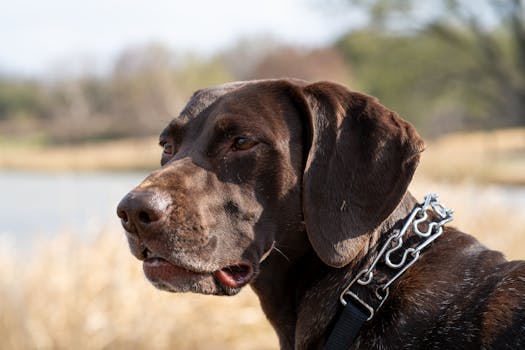
Versatile German gun dog built for endurance and athleticism; friendly, eager-to-please, and excellent with active families — but one of the highest-energy breeds in existence and a poor match for sedentary households.
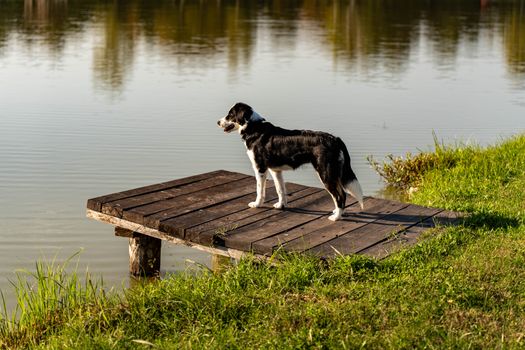
Fast, confident, and relentlessly driven, the Treeing Walker Coonhound is a versatile American hunting hound with a powerful melodic voice and warm family temperament — provided their enormous exercise needs are met.
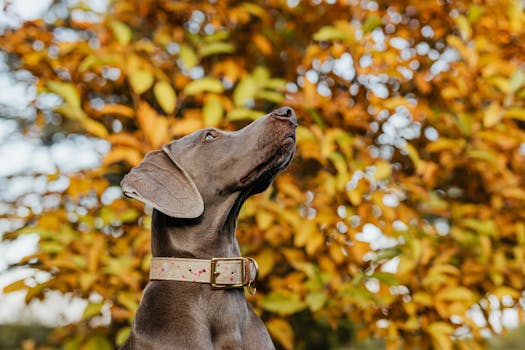
The 'Grey Ghost' — a high-performance sporting dog with striking silver-grey coat, boundless stamina, and an intensely people-bonded temperament.
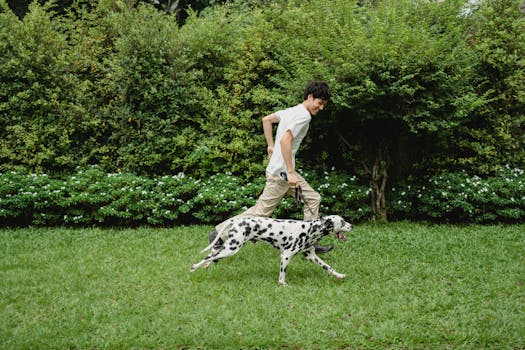
Iconic spotted carriage dog with very high endurance and energy; athletic and loyal but not suitable for sedentary households, first-time owners, or apartment living.
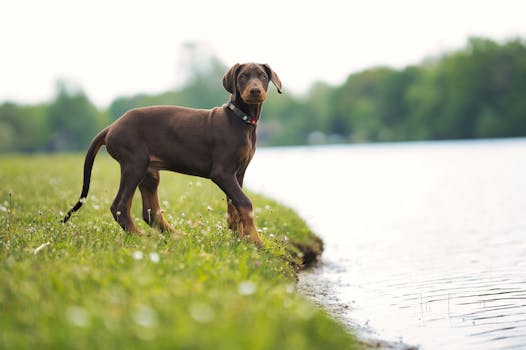
Powerful protection and working breed; highly intelligent, loyal, and among the most trainable dogs when given structure.
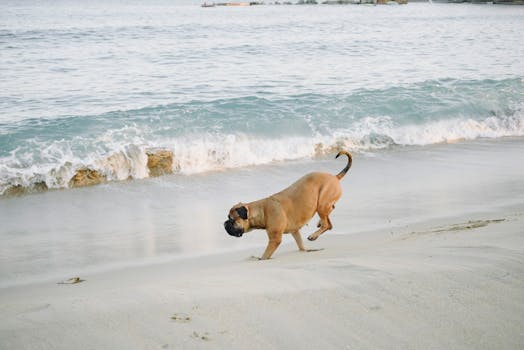
Muscular working and family guard; exuberant and people-loving with a clownish streak.
Compare & learn more
Head-to-head comparisons
Relevant guides
What would make you hesitate about this breed?
Help improve PupWiki with one quick anonymous answer.
Find my breed match →