
Treeing Walker Coonhound
Fast, confident, and relentlessly driven, the Treeing Walker Coonhound is a versatile American hunting hound with a powerful melodic voice and warm family temperament — provided their enormous exercise needs are met.
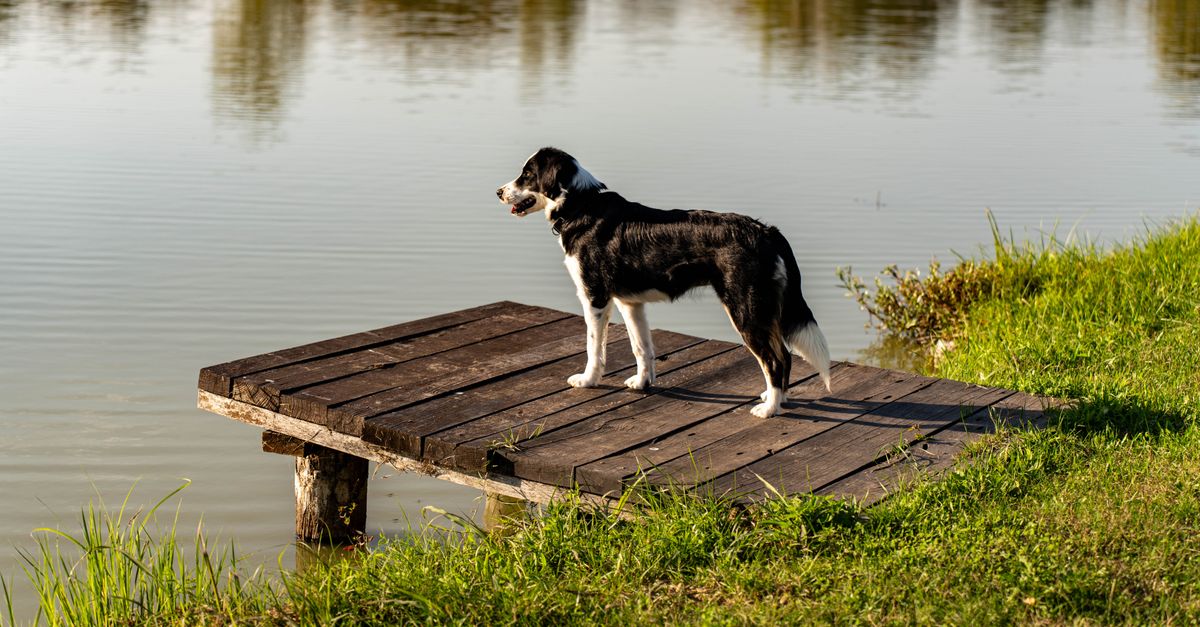
Photo by Vladimir Srajber on Pexels
Quick facts: Treeing Walker Coonhound
- Size
- Large
- Weight
- 22.7–31.8 kg
- Origin
- USA
- Life span
- 12–13 years
- Temperament
- Confident, intelligent, active, relentless
- Energy level
- Very‑high
- Grooming needs
- Very‑low
- Trainability
- Medium
- Apartment fit
- Very‑low
- Typical annual cost
- ~$2,700
Is the Treeing Walker Coonhound right for you?
Best for
- Active rural or large-property owners who can provide real daily exercise
- Families with children who want an energetic, affectionate larger dog
- Experienced hound owners familiar with independent scent-driven temperament
- Hunting households wanting an athletically capable trailing partner
Not ideal if
- Apartment or suburban dwellers — baying is loud and near-continuous when stimulated
- Owners expecting reliable off-leash recall in open, unfenced areas
- Those unable to commit to 60–90 minutes of vigorous daily exercise
- Households with cats or small animals due to strong prey drive
A friendly, high-energy hunting hound that thrives in active rural homes — their baying voice and extreme exercise needs rule out most urban and suburban settings.
Trait snapshot
Treeing Walker Coonhound is part of the Hound Group — see group tendencies →
What owners actually say
Treeing Walker Coonhound owners describe a high-energy, affectionate hound with a powerful voice and an unstoppable nose — rewarding for active owners who can provide structured exercise, but demanding for those expecting a calm companion.
- General
The energy level is genuinely high. Owners describe a dog that needs significant daily exercise — not a walk around the block but sustained activity. Without it, the house and garden become very interesting to a bored Treeing Walker.
- General
The voice is the defining management challenge for suburban owners. The breed's hunting bay is loud, carries far, and is triggered by excitement, scent, and boredom. Rural owners embrace it; urban owners describe consistent training as essential from day one.
- Training
Eager to please and food-motivated, which makes basic training reasonably accessible. The challenge is recall and off-lead reliability when a scent trail is live — owners describe this as something that requires specific, sustained training and should never be fully assumed.
- General
Affectionate and people-oriented in the home. Despite the working dog intensity outdoors, owners describe a gentle, sociable dog that gets along with people and other dogs and is genuinely warm with family.
- Apartment life
Not suited to apartment living. The combination of exercise needs, vocal tendencies, and size makes flat life genuinely difficult. A secure garden and outdoor access are practically essential.
- Health reality
Ear infections are a persistent challenge due to the breed's long, pendulous ears. Owners report that without consistent weekly cleaning, infections can become chronic and require veterinary treatment.
Editorial summary. Phase 3 will add structured owner survey data.
Cost snapshot
Range $1,700–$4,500
Range $2,800–$9,000
After first year
Annual breakdown
Assumptions used:
- Active sporting breed — higher exercise costs
- Ear care is an ongoing veterinary consideration
Last reviewed: 2026-06-20
Read full methodology →Health watchlist
Health information is educational only. Always consult your veterinarian.
Ear infections
Long, floppy ears combined with regular exposure to water, brush, and humidity during hunting activity make Treeing Walker Coonhounds highly susceptible to chronic ear infections. Weekly ear inspection, thorough drying after water exposure, and veterinary cleaning routines significantly reduce infection frequency. Consult your vet.
Hip dysplasia
Hip dysplasia is a developmental condition affecting the hip joint and can cause lameness and arthritis in active large breeds. OFA hip evaluation of parent dogs is a standard screening tool in responsible breeding programs. Consult your vet.
Obesity
When transitioned from active working roles to family pet life, Treeing Walker Coonhounds can gain weight quickly if exercise levels drop while food portions remain unchanged. Excess weight accelerates joint wear in an already active breed. Consult your vet.
Bloat/GDV
Deep-chested hound breed with moderate bloat risk. Feed smaller meals. Consult your vet for guidance specific to your dog.
Dental disease
Regular dental care helps prevent periodontal disease. Consult your vet for guidance specific to your dog.
Check your fit
Answer a few questions to see how a Treeing Walker Coonhound fits your household.
Frequently asked questions
How loud are Treeing Walker Coonhounds?
How much exercise does a Treeing Walker Coonhound need?
Can you trust a Treeing Walker Coonhound off-leash?
Are Treeing Walker Coonhounds good family dogs?
How much does it cost to own a Treeing Walker Coonhound?
What health problems are Treeing Walker Coonhounds prone to?
How much grooming does a Treeing Walker Coonhound need?
Are Treeing Walker Coonhounds easy to train?
Are Treeing Walker Coonhounds good apartment dogs?
Are Treeing Walker Coonhounds good for first-time owners?
Tools for Treeing Walker Coonhound owners
Similar breeds to the Treeing Walker Coonhound
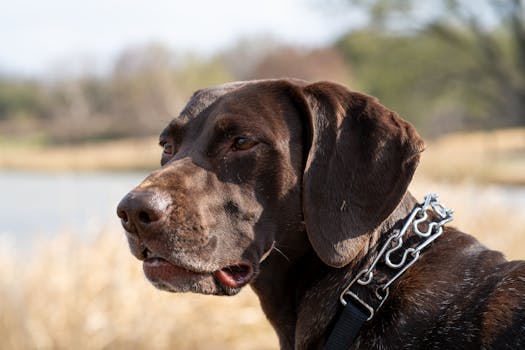
Versatile German gun dog built for endurance and athleticism; friendly, eager-to-please, and excellent with active families — but one of the highest-energy breeds in existence and a poor match for sedentary households.
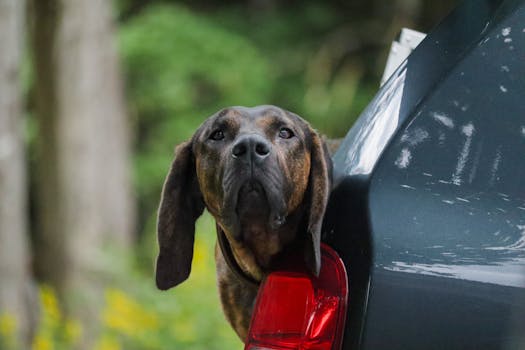
Fearless, determined, and athletically built, the Plott Hound is a distinctly American hunting breed with a brindle coat, penetrating voice, and an unwavering drive that demands an active, experienced owner.
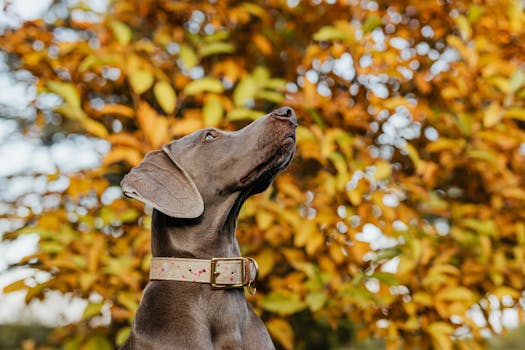
The 'Grey Ghost' — a high-performance sporting dog with striking silver-grey coat, boundless stamina, and an intensely people-bonded temperament.
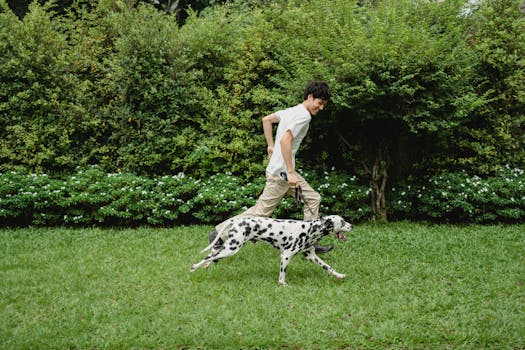
Iconic spotted carriage dog with very high endurance and energy; athletic and loyal but not suitable for sedentary households, first-time owners, or apartment living.
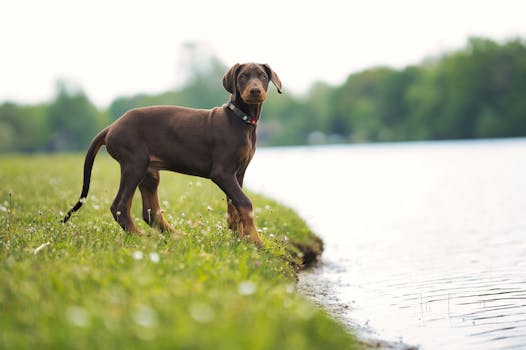
Powerful protection and working breed; highly intelligent, loyal, and among the most trainable dogs when given structure.

Muscular working and family guard; exuberant and people-loving with a clownish streak.
Compare & learn more
Head-to-head comparisons

Relevant guides
Which breed content should PupWiki improve most?
Help improve PupWiki with one quick anonymous answer.
Find my breed match →