
Weimaraner
The 'Grey Ghost' — a high-performance sporting dog with striking silver-grey coat, boundless stamina, and an intensely people-bonded temperament.
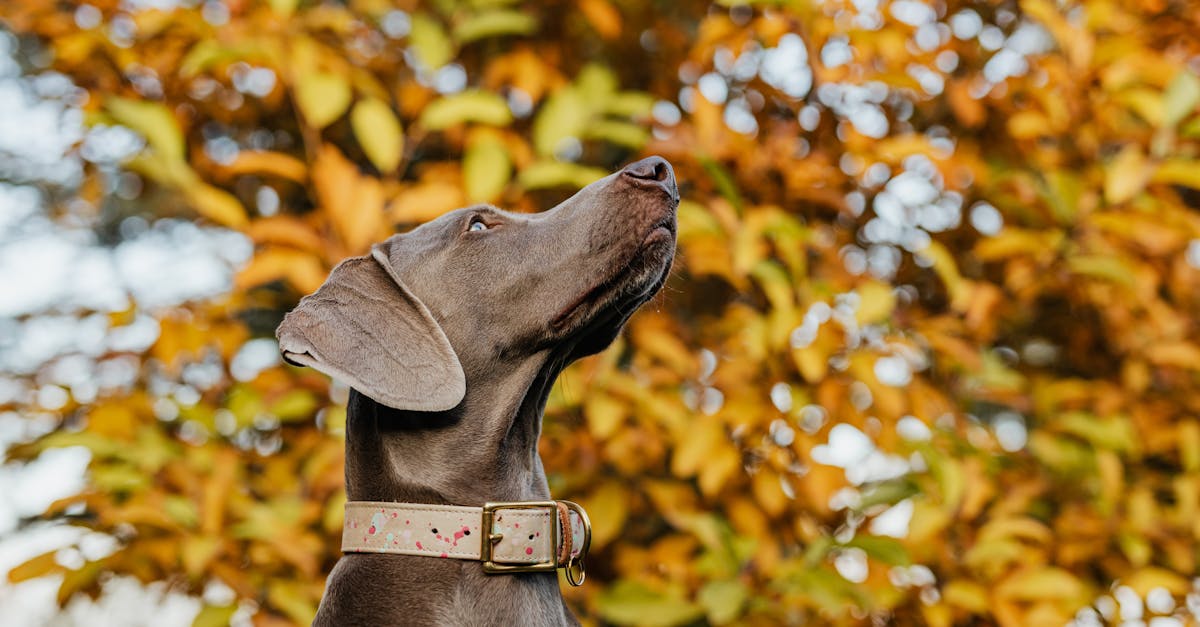
Photo by www.kaboompics.com on Pexels
Quick facts: Weimaraner
- Size
- Large
- Weight
- 31.8–40.8 kg
- Origin
- Germany
- Life span
- 10–13 years
- Temperament
- Friendly, fearless, obedient, alert
- Energy level
- Very‑high
- Grooming needs
- Very‑low
- Trainability
- Low
- Apartment fit
- Very‑low
- Typical annual cost
- ~$2,700
Is the Weimaraner right for you?
Best for
- Highly active owners: runners, cyclists, hikers
- Households with large outdoor space
- Owners who want a working, training-focused relationship
- Experienced dog owners who understand high-drive breeds
Not ideal if
- Apartment dwellers or those with limited outdoor access
- Owners away from home most of the day (severe separation anxiety risk)
- First-time owners not prepared for high-drive sporting breed demands
- Families with small children under 5 (size and exuberance)
An exceptional dog for the right active household — but genuinely not for sedentary owners or small spaces.
Trait snapshot
Weimaraner is part of the Sporting Group — see group tendencies →
What owners actually say
Weimaraner owners describe a transformative bond with a physically and mentally demanding dog — this breed rewards fully committed, active owners and struggles severely with any other.
- Energy
The stamina is industrial. Owners describe 90-minute runs as 'taking the edge off' rather than satisfying the breed. Weimaraners were bred to hunt all day at a sustained pace — anything less than serious daily exercise results in a dog that vents its energy destructively and anxiously. Many experienced owners describe needing to reorganise their lifestyle significantly.
- Alone time
Among the most people-dependent breeds in the sporting group. Full working-day absences are described by owners as a serious welfare problem — the breed develops intense separation anxiety that typically manifests as destruction, vocalisation, and genuine distress, not just boredom. Owners who make it work describe doggy daycare, a dog walker, or working from home as non-negotiable.
- Training
Highly intelligent and trainable when exercise needs are met first. Owners who train on top of adequate exercise describe a responsive, capable partner. Owners who try to train an under-exercised Weimaraner describe a frustrating, bouncing, disengaged dog. The rule is exercise first, training second.
- Health reality
Bloat (GDV) is a significant risk for this deep-chested large breed — a potentially fatal stomach torsion that requires emergency surgery. Owners are strongly advised to discuss preventive gastropexy with their vet at the time of any spay/neuter procedure. Recognise the signs: unproductive retching, distended abdomen, restlessness.
- General
The bond formed with this breed is exceptional — owners describe a level of attunement and mutual engagement that is unlike other breeds. When the energy and lifestyle match is right, it is consistently described as among the most rewarding dog relationships possible.
- Apartment life
Not suitable for apartment living. This is not a preference — it is a welfare constraint. The breed's exercise needs and separation anxiety require space, access to outdoor running, and significant daily time investment. Owners who have tried urban apartments with a Weimaraner almost universally describe it as a mistake.
Editorial summary based on owner accounts and breed community feedback.
Cost snapshot
Range $1,700–$4,500
Range $2,800–$9,000
After first year
Annual breakdown
Assumptions used:
- Large breed food costs
- Minimal grooming costs (short coat)
- High exercise and enrichment investment required
- Potential bloat emergency costs — discuss gastropexy with vet
Last reviewed: 2026-06-20
Read full methodology →Health watchlist
Health information is educational only. Always consult your veterinarian.
Gastric Dilatation-Volvulus (bloat)
Large, deep-chested breeds are at elevated risk for GDV — a life-threatening stomach twist requiring emergency surgery. Preventive gastropexy (stomach tacking) is an option to discuss with your vet. Know the signs: unproductive retching, distended abdomen, restlessness. Consult your vet for guidance specific to your dog.
Hip dysplasia
Occurs in the breed. OFA hip certification in both parents reduces risk. Weight management and avoiding high-impact exercise in puppies protects joint development. Consult your vet for guidance specific to your dog.
Separation anxiety
Weimaraners are intensely people-bonded and among the breeds most prone to severe separation anxiety. This is a genuine welfare and management concern, not a training footnote — owners must be prepared to structure their day around the dog or arrange coverage.
Skin conditions
Dermatitis and skin allergies can occur. Regular inspection of the short coat helps with early detection. Consult your vet for guidance specific to your dog.
Hypothyroidism
Occurs at moderate rates. Routine thyroid panels are recommended. Consult your vet for guidance specific to your dog.
Check your fit
Answer a few questions to see how a Weimaraner fits your household.
Frequently asked questions
How much exercise does a Weimaraner need?
Can Weimaraners be left alone?
Are Weimaraners good family dogs?
Do Weimaraners shed?
How much does it cost to own a Weimaraner?
What health problems are Weimaraners prone to?
How much grooming does a Weimaraner need?
Are Weimaraners easy to train?
Are Weimaraners good apartment dogs?
Are Weimaraners good for first-time owners?
Tools for Weimaraner owners
Similar breeds to the Weimaraner
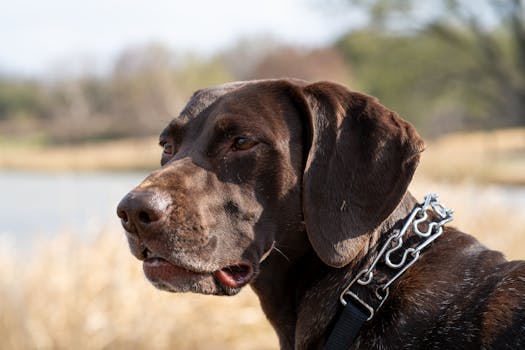
Versatile German gun dog built for endurance and athleticism; friendly, eager-to-please, and excellent with active families — but one of the highest-energy breeds in existence and a poor match for sedentary households.

Fearless, determined, and athletically built, the Plott Hound is a distinctly American hunting breed with a brindle coat, penetrating voice, and an unwavering drive that demands an active, experienced owner.
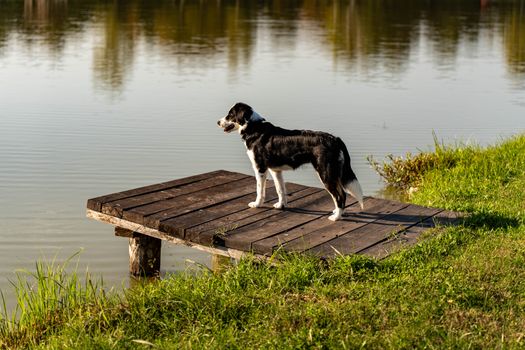
Fast, confident, and relentlessly driven, the Treeing Walker Coonhound is a versatile American hunting hound with a powerful melodic voice and warm family temperament — provided their enormous exercise needs are met.
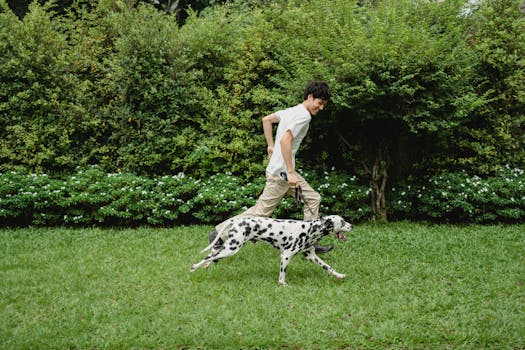
Iconic spotted carriage dog with very high endurance and energy; athletic and loyal but not suitable for sedentary households, first-time owners, or apartment living.

Powerful protection and working breed; highly intelligent, loyal, and among the most trainable dogs when given structure.

Muscular working and family guard; exuberant and people-loving with a clownish streak.
Compare & learn more
Head-to-head comparisons



Relevant guides
After reading this breed page, what are you still unsure about?
Help improve PupWiki with one quick anonymous answer.
Compare breeds →