
Irish Setter
Exuberant, athletic sporting dog with a stunning mahogany coat; requires extensive daily exercise and consistent training to channel high energy.

Photo by Barnabas Davoti on Pexels
Quick facts: Irish Setter
- Size
- Large
- Weight
- 12.2–14.5 kg
- Origin
- Ireland
- Life span
- 12–14 years
- Temperament
- Lively, outgoing, active, eager
- Energy level
- Very‑high
- Grooming needs
- High
- Trainability
- Medium
- Apartment fit
- Very‑low
- Typical annual cost
- ~$2,700
Is the Irish Setter right for you?
Best for
- Active owners who run, hike, or have large outdoor space
- Families with older children who enjoy an energetic dog
- Experienced owners comfortable with high-drive sporting breeds
Not ideal if
- Apartment or small-home living
- Owners who cannot provide 60–90 minutes of vigorous daily exercise
- First-time dog owners who may struggle with the breed's exuberance
Beautiful, energetic sporting dog for active families — demands serious daily exercise and early consistent training.
Trait snapshot
Irish Setter is part of the Sporting Group — see group tendencies →
What owners actually say
Irish Setter owners describe one of the most joyful, beautiful breeds they've owned — and one of the most demanding in terms of daily exercise and patience during training.
- Energy
The energy level is very high and sustained. Owners describe needing a minimum of 60-90 minutes of vigorous exercise daily, and dogs that are under-exercised becoming destructive or frantic indoors.
- Training
Intelligence is there — the distraction isn't. Irish Setters are enthusiastic learners who can also completely ignore commands when something interesting catches their attention. Patient, consistent training is what works.
- General
Owners consistently mention the joy this breed brings. Outgoing, playful, and deeply affectionate — described as eternally puppy-like in spirit, which is charming at 2 and still present at 8.
- Apartment life
Not a breed for apartment or small-home life. Owners in homes without large outdoor space describe significant management challenges. A yard or access to open running space is considered essential.
- Grooming
The silky mahogany coat requires regular care to maintain. Professional grooming every 2-3 months and brushing several times per week is the reality. Owners who skip grooming describe the coat becoming matted quickly.
- Health reality
Progressive Retinal Atrophy (PRA) risk is higher than many new owners realise. Responsible breeders test for it, but owners of rescue or untested dogs should discuss eye screening with their vet.
Editorial summary. Phase 3 will add structured owner survey data.
Cost snapshot
Range $1,700–$4,500
Range $2,800–$9,000
After first year
Annual breakdown
Assumptions used:
- Large-breed food volumes
- Regular professional grooming for the silky coat
- Higher activity level means higher enrichment and exercise costs
Last reviewed: 2026-06-20
Read full methodology →Health watchlist
Health information is educational only. Always consult your veterinarian.
Progressive Retinal Atrophy (PRA)
PRA (rcd1 and rcd4 forms) is well-documented in Irish Setters. DNA testing is available; reputable breeders screen parent dogs. Consult your vet.
Hip dysplasia
Present in the breed at moderate rates. OFA screening of parent dogs is standard practice in responsible breeding programs. Consult your vet.
Bloat / GDV
Deep-chested large sporting breeds have elevated GDV risk. Discuss prevention strategies with your veterinarian.
Epilepsy
Idiopathic epilepsy occurs at above-average rates. Learn to recognise seizure signs. Consult your vet for guidance specific to your dog.
Hypothyroidism
Occurs at moderate rates in the breed. Routine thyroid screening is recommended. Consult your vet for guidance specific to your dog.
Check your fit
Answer a few questions to see how a Irish Setter fits your household.
Frequently asked questions
How much exercise does an Irish Setter need?
Are Irish Setters easy to train?
Do Irish Setters do well with children?
How much grooming does an Irish Setter need?
How much does it cost to own a Irish Setter?
What health problems are Irish Setters prone to?
Are Irish Setters good apartment dogs?
Are Irish Setters good for first-time owners?
How long do Irish Setters live?
Tools for Irish Setter owners
Similar breeds to the Irish Setter

The largest of the terrier breeds; versatile working dog with keen intelligence, stubbornness, and an enthusiastic spirit.

Powerful German working schnauzer: intelligent, loyal, protective, and demanding of structure, training, and serious daily work.
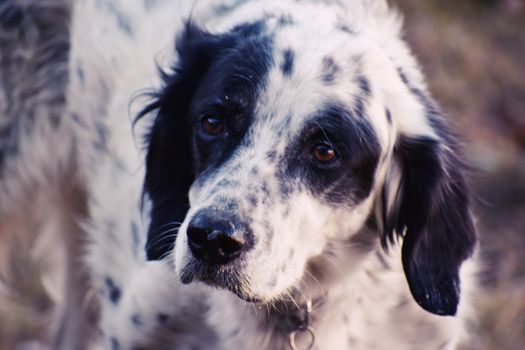
Elegant, gentle sporting dog with distinctive speckled coat; energetic and affectionate but requires significant daily exercise and regular coat maintenance.
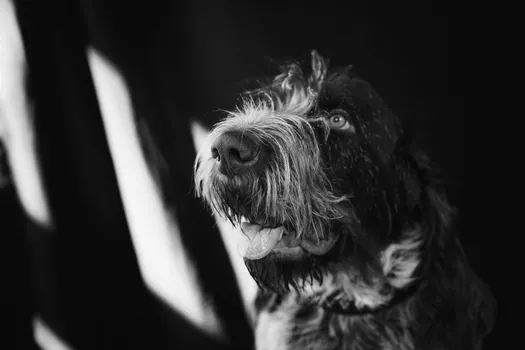
Rugged German gundog with a weatherproof coat, strong hunting drive, and enormous need for outdoor activity.

Powerful American water retriever with a waterproof coat, strong loyalty, and a more independent edge than many retrievers.

Exuberant and people-oriented gundog; the breed's defining characteristic is its lifelong youthful enthusiasm — and an elevated cancer risk requiring owner awareness.
Compare & learn more
Head-to-head comparisons


Would you choose a breed with higher grooming needs?
Help improve PupWiki with one quick anonymous answer.
Find my breed match →