
Brussels Griffon
Tiny Belgian companion with a famously expressive face, intense people-focus, and a personality much larger than its body.
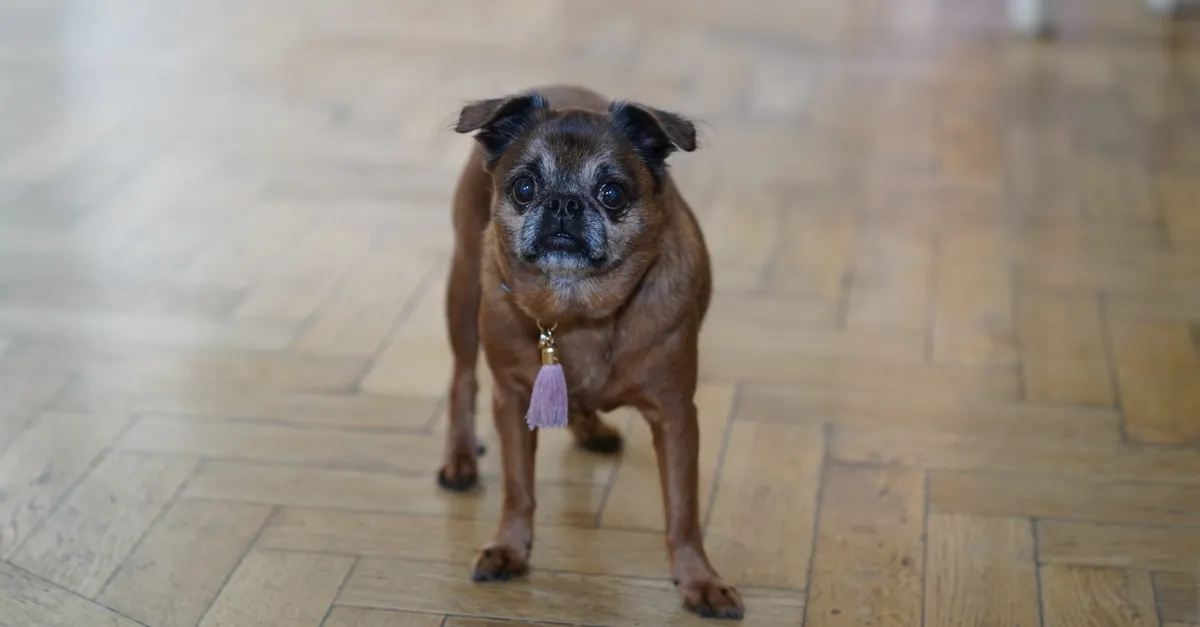
Photo by Tahir Xəlfəquliyev on Pexels
Quick facts: Brussels Griffon
- Size
- Toy
- Weight
- 3.6–5.4 kg
- Origin
- Belgium
- Life span
- 12–15 years
- Temperament
- Loyal, alert, curious, sensitive
- Energy level
- Medium
- Grooming needs
- Medium
- Trainability
- Medium
- Apartment fit
- Very‑high
- Typical annual cost
- ~$2,100
Is the Brussels Griffon right for you?
Best for
- Adults wanting a devoted lap-and-life companion
- Apartment residents
- Owners who enjoy expressive toy breeds
- Homes where someone is around much of the day
Not ideal if
- You need a hardy rough-and-tumble children's dog
- You are away for long workdays
- You want a dog that shrugs off handling mistakes
- You dislike small-dog dental and grooming routines
A charming toy companion for adults or gentle households who want closeness and can handle sensitivity.
Trait snapshot
Brussels Griffon is part of the Toy Group — see group tendencies →
What owners actually say
Brussels Griffon owners are drawn to the expressive personality and intense bond, while cautioning that sensitivity and alone-time needs can dominate daily life.
- Apartment life
A great apartment size, especially for adults, as long as alert barking is managed early.
- Alone time
Owners often call them velcro dogs. Long solo days can trigger distress, barking, or clingy behaviour.
- Training
Smart but emotionally sensitive. Owners get better results from cheerful reward-based routines than pressure.
- Health reality
Dental care, eye irritation, and small-dog fragility are common surprises for people expecting an easy toy breed.
- General
The breed feels almost human to many owners: funny, proud, opinionated, and deeply attached.
- Barking
Not always noisy, but alert barking at hallway sounds or visitors can become a habit in apartments.
Editorial owner-reality summary based on breed traits, reputable breed-source patterns, and common owner-reported friction points. Phase 3 can replace or augment this with structured PupWiki owner survey data.
Cost snapshot
Range $1,200–$3,800
Range $2,400–$7,600
After first year
Annual breakdown
Assumptions used:
- Toy-breed food cost is low
- Dental care and veterinary variability can be meaningful
- Some coats require professional grooming
- Daycare or sitter costs may apply for separation-sensitive dogs
Last reviewed: 2026-07-02
Read full methodology →Health watchlist
Health information is educational only. Always consult your veterinarian.
Brachycephalic airway sensitivity
Some Brussels Griffons have short muzzles and can be sensitive to heat or respiratory stress. Ask your vet to evaluate breathing and exercise tolerance.
Dental disease
Toy breeds commonly need consistent dental care. Daily tooth brushing and professional dental exams can reduce long-term pain and cost.
Patellar luxation
Small breeds can develop kneecap instability. Watch for skipping, intermittent lameness, or reluctance to jump, and maintain a lean body weight.
Eye injury or irritation
Prominent eyes can be more vulnerable to irritation or trauma. Squinting, redness, discharge, or pawing at the eye deserves prompt veterinary attention.
Check your fit
Answer a few questions to see how a Brussels Griffon fits your household.
Frequently asked questions
Are Brussels Griffons good apartment dogs?
Are Brussels Griffons good with children?
Do Brussels Griffons bark a lot?
Can Brussels Griffons be left alone?
How much grooming does a Brussels Griffon need?
Are Brussels Griffons easy to train?
What are the most common health issues in Brussels Griffons?
How long do Brussels Griffons live?
Tools for Brussels Griffon owners
Similar breeds to the Brussels Griffon

Distinctive toy companion seen in hairless and powderpuff varieties; affectionate, playful, and surprisingly athletic for its size.
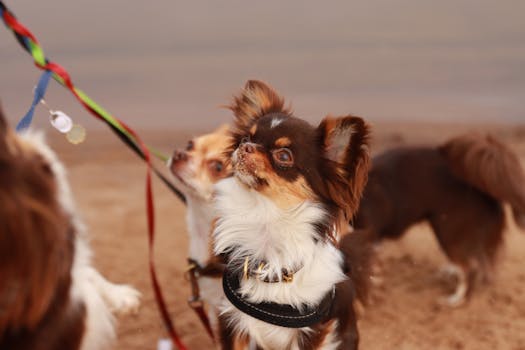
World's smallest breed; fiercely loyal and bold in personality, ideal for city living but requires careful socialisation and cold-weather management.

Tiny toy spaniel with butterfly ears, big athleticism, and standout trainability in a delicate package.

Aristocratic toy spaniel; gentle, affectionate, and deeply devoted to people with serious cardiac health considerations.

Elegant miniature sighthound; affectionate, sensitive, and apartment-friendly, but fragile in cold weather and rough handling.
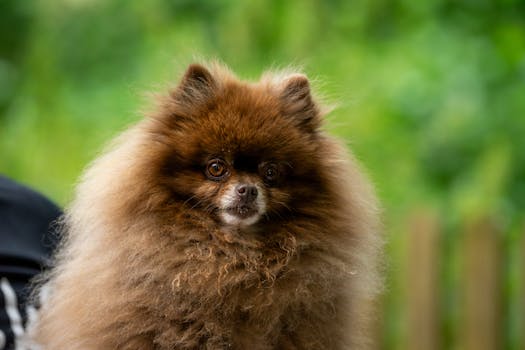
Tiny spitz-type dog with a bold personality and spectacular double coat; alert, lively, and deeply loyal to their person.
Which breed factor do you research first?
Help improve PupWiki with one quick anonymous answer.
Find my breed match →