
Papillon
Tiny toy spaniel with butterfly ears, big athleticism, and standout trainability in a delicate package.

Photo by Alexas Fotos on Pexels
Quick facts: Papillon
- Size
- Toy
- Weight
- 2.3–4.5 kg
- Origin
- France/Belgium
- Life span
- 14–16 years
- Temperament
- Happy, alert, friendly, intelligent
- Energy level
- Medium‑high
- Grooming needs
- Medium
- Trainability
- Very‑low
- Apartment fit
- Very‑high
- Typical annual cost
- ~$1,700
Is the Papillon right for you?
Best for
- Apartment residents wanting a trainable toy breed
- Owners interested in tricks, agility, or obedience
- Families with gentle older children
- People wanting low food costs and moderate grooming
Not ideal if
- You want a rough-and-tumble dog for toddlers
- You dislike alert barking
- You want a dog that tolerates careless handling
- You prefer a very low-energy lap dog
A brilliant toy companion for owners who want a small dog with real sport-dog brains.
Trait snapshot
Papillon is part of the Toy Group — see group tendencies →
What owners actually say
Papillon owners consistently highlight the breed's intelligence, portability, and cheerful attitude — while warning that barking, dental care, and delicate handling matter.
- Training
Owners are often shocked by how trainable Papillons are. They are tiny, but many want lessons, tricks, and puzzle-like interaction.
- Barking
Alert barking is the most common lifestyle complaint. Window access, hallway sounds, and visitors can all become triggers without training.
- Apartment life
Apartment fit is excellent when barking is handled. Their small size and low food needs make daily logistics easy.
- Health reality
Dental bills can be the surprise cost. Owners who start tooth brushing early tend to be happier long term.
- Energy
They are not fragile ornaments. Many are athletic, fast, and playful, but exercise must be scaled to their size and safety.
- General
Papillon fans love the big-dog brain in a toy body: portable, affectionate, clever, and often game for more activity than expected.
Editorial summary based on owner accounts, breed-community patterns, and breed-purpose analysis. Phase 3 can replace or supplement these notes with structured owner survey data.
Cost snapshot
Range $900–$3,200
Range $1,800–$6,500
After first year
Annual breakdown
Assumptions used:
- Toy-breed food costs
- Dental care can be a major lifetime cost
- Training/enrichment useful despite small size
Last reviewed: 2026-07-02
Read full methodology →Health watchlist
Health information is educational only. Always consult your veterinarian.
Dental disease
Toy breeds often need serious dental prevention. Tooth brushing and professional cleanings can be important lifetime costs. Ask your vet for guidance specific to your dog.
Patellar luxation
Watch for skipping, hind-leg hopping, or intermittent lameness. Keep weight lean and discuss symptoms with your vet.
Fragility and injury prevention
Small dogs can be injured by falls, rough handling, or jumping from furniture. Use safe handling and supervise children. Ask your vet for guidance specific to your dog.
Eye screening
Ask breeders about eye exams. Redness, cloudiness, or squinting deserves prompt veterinary attention.
Weight management
A few extra ounces matter on a toy dog. Measure meals and watch treats closely. Ask your vet for guidance specific to your dog.
Check your fit
Answer a few questions to see how a Papillon fits your household.
Frequently asked questions
Are Papillons good apartment dogs?
Are Papillons easy to train?
Do Papillons bark a lot?
Are Papillons good with kids?
How much grooming does a Papillon need?
How much exercise does a Papillon need?
Can Papillons be left alone?
What health problems are Papillons prone to?
How long do Papillons live?
Tools for Papillon owners
Similar breeds to the Papillon
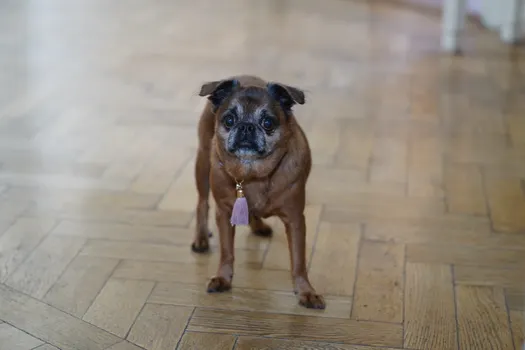
Tiny Belgian companion with a famously expressive face, intense people-focus, and a personality much larger than its body.

Distinctive toy companion seen in hairless and powderpuff varieties; affectionate, playful, and surprisingly athletic for its size.
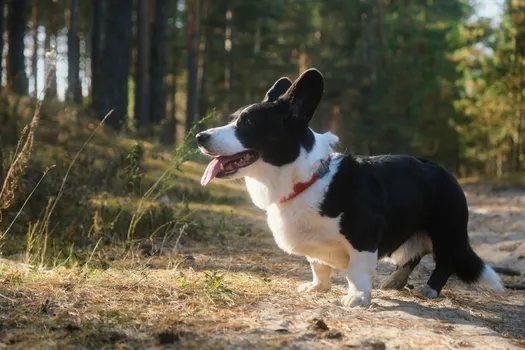
Long-bodied Welsh cattle dog with a tail; sturdy, clever, and affectionate, with herding instincts and meaningful shedding.
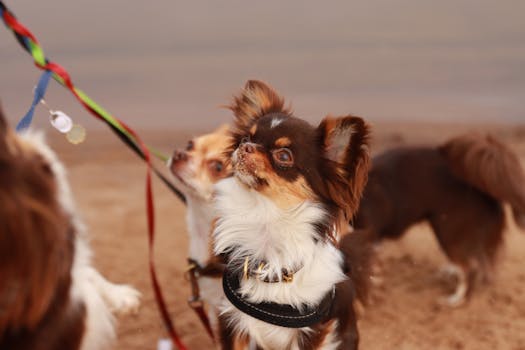
World's smallest breed; fiercely loyal and bold in personality, ideal for city living but requires careful socialisation and cold-weather management.

Aristocratic toy spaniel; gentle, affectionate, and deeply devoted to people with serious cardiac health considerations.

Elegant miniature sighthound; affectionate, sensitive, and apartment-friendly, but fragile in cold weather and rough handling.
Which source do you trust most for breed research?
Help improve PupWiki with one quick anonymous answer.
Find my breed match →