
Chihuahua
World's smallest breed; fiercely loyal and bold in personality, ideal for city living but requires careful socialisation and cold-weather management.

Photo by Efrem Efre on Pexels
Quick facts: Chihuahua
- Size
- Toy
- Weight
- 0.9–2.7 kg
- Origin
- Mexico
- Life span
- 14–16 years
- Temperament
- Alert, confident, devoted, spirited
- Energy level
- Medium
- Grooming needs
- Low
- Trainability
- Medium
- Apartment fit
- Very‑high
- Typical annual cost
- ~$1,600
Is the Chihuahua right for you?
Best for
- Singles or couples in apartments
- Owners who want a highly portable, devoted companion
- Those with limited space and a modest pet budget
- City dwellers who prioritise convenience
Not ideal if
- Households with young or boisterous children
- Cold climate regions without appropriate coat management
- Owners who want a quiet dog
- Owners away for long hours
A low-cost, long-lived city companion — best for adults or older children, and cold-weather care is essential.
Trait snapshot
Chihuahua is part of the Toy Group — see group tendencies →
What owners actually say
Chihuahua owners treasure the intense loyalty and apartment suitability but are frank about dental health demands and the need for deliberate early socialization.
- Training
Chihuahuas are smarter than their reputation suggests and respond well to positive reinforcement training. The challenge is consistency — they have a stubborn streak and will push limits if rules aren't clearly enforced. Short, frequent, reward-based sessions work best.
- Health reality
Dental crowding is almost universal in Chihuahuas given the size of their mouth relative to their teeth. Most vets recommend professional dental cleanings starting at 2–3 years and daily home brushing. Tooth loss before age 7 is common in Chihuahuas whose dental care was neglected.
- General
The intense loyalty that makes Chihuahuas extraordinary companions can become possessiveness — growling at visitors, guarding their person, or snapping at strangers. Early and ongoing socialization is the intervention. A Chihuahua that meets many people early rarely develops this problem.
- Apartment life
As a city and apartment dog, few breeds compare. Small, quiet enough when well-exercised, low-maintenance in terms of coat, and deeply bonded to their owner — Chihuahuas suit urban single-person or couple households particularly well.
- Barking
Chihuahuas are alert dogs and can be vocal — they will bark at sounds, strangers, and perceived threats. In shared housing this requires training from an early stage. An under-exercised Chihuahua with nothing to do will find things to bark at.
- Health reality
Chihuahuas have very little body fat and a small body mass, making them genuinely cold-sensitive. A dog coat or jumper for cold weather and rain is not cosmetic — it is a welfare measure. Hypoglycaemia (low blood sugar) is also a risk in very small puppies and needs monitoring in the first months.
Editorial summary. Phase 3 will add structured owner survey data.
Cost snapshot
Range $900–$2,800
Range $1,900–$5,500
After first year
Annual breakdown
Assumptions used:
- Toy breed food (very low volume — lowest food cost of any breed)
- Dental care costs — professional cleaning likely needed annually
- Long lifespan (14-16 years) increases lifetime veterinary total
Last reviewed: 2026-06-20
Read full methodology →Health watchlist
Health information is educational only. Always consult your veterinarian.
Luxating patella
Patellar luxation (slipping kneecap) is very common in toy breeds. Regular vet checks help detect and monitor this condition. Consult your vet for guidance specific to your dog.
Hypoglycaemia
Very small Chihuahuas, especially puppies, are at risk of low blood sugar. Regular small meals are important, particularly in young dogs. Consult your vet for guidance specific to your dog.
Dental disease
Small jaws lead to crowded teeth and high rates of periodontal disease. Daily dental care or regular professional dental cleaning is recommended. Consult your vet for guidance specific to your dog.
Tracheal collapse
Common in toy breeds. Use a harness instead of a collar and watch for honking cough. Consult your vet for guidance specific to your dog.
Heart murmurs
Mitral valve disease can develop with age. Annual cardiac screening is recommended for older Chihuahuas. Consult your vet for guidance specific to your dog.
Check your fit
Answer a few questions to see how a Chihuahua fits your household.
Frequently asked questions
Are Chihuahuas good for apartments?
Are Chihuahuas good with children?
Do Chihuahuas bark a lot?
How do Chihuahuas cope with cold weather?
How much does it cost to own a Chihuahua?
What health problems are Chihuahuas prone to?
How much grooming does a Chihuahua need?
Are Chihuahuas easy to train?
Are Chihuahuas good for first-time owners?
How long do Chihuahuas live?
Tools for Chihuahua owners
Similar breeds to the Chihuahua

Elegant miniature sighthound; affectionate, sensitive, and apartment-friendly, but fragile in cold weather and rough handling.
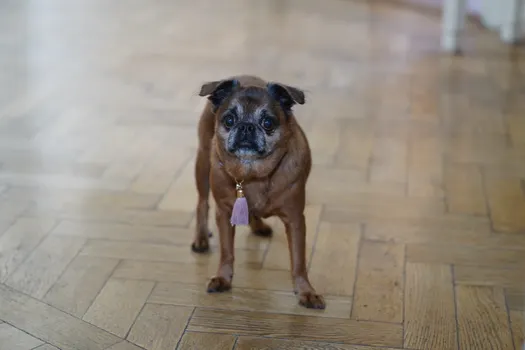
Tiny Belgian companion with a famously expressive face, intense people-focus, and a personality much larger than its body.

Distinctive toy companion seen in hairless and powderpuff varieties; affectionate, playful, and surprisingly athletic for its size.

Low-slung scent hound developed for badger work; courageous, playful, and distinct in outline.

Tiny toy spaniel with butterfly ears, big athleticism, and standout trainability in a delicate package.

Aristocratic toy spaniel; gentle, affectionate, and deeply devoted to people with serious cardiac health considerations.
Compare & learn more




Where are you in your breed decision?
Help improve PupWiki with one quick anonymous answer.
Compare breeds →