
Pomeranian
Tiny spitz-type dog with a bold personality and spectacular double coat; alert, lively, and deeply loyal to their person.
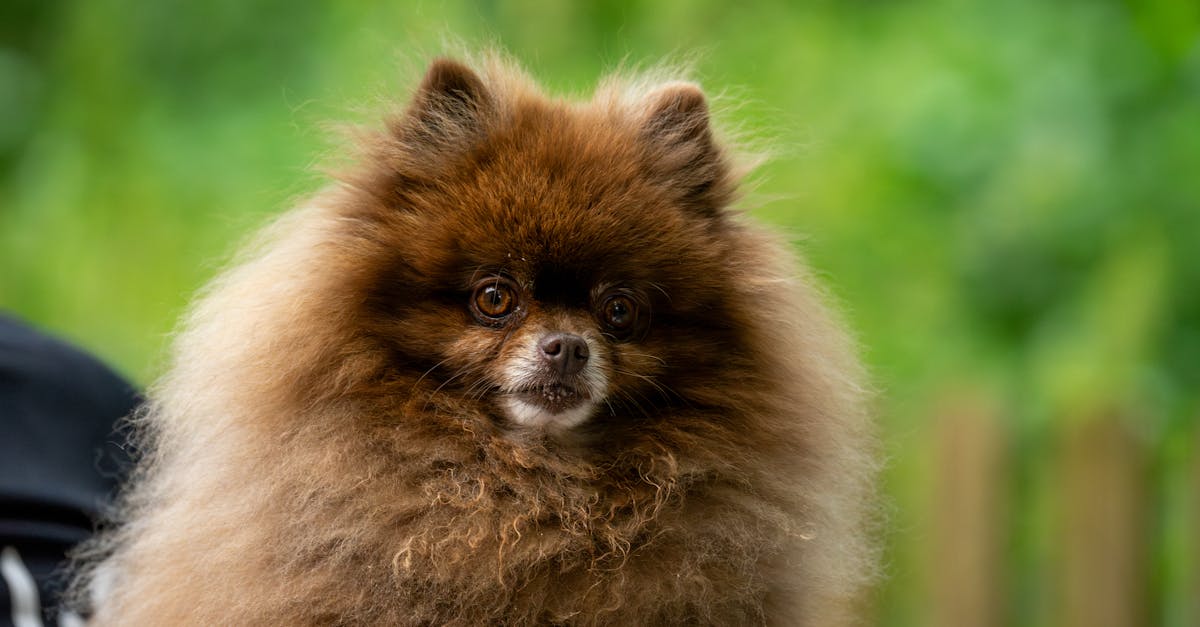
Photo by Wijs (Wise) on Pexels
Quick facts: Pomeranian
- Size
- Toy
- Weight
- 1.4–3.2 kg
- Origin
- Germany
- Life span
- 12–16 years
- Temperament
- Lively, bold, inquisitive, alert
- Energy level
- Medium
- Grooming needs
- Very‑high
- Trainability
- Medium
- Apartment fit
- Very‑high
- Typical annual cost
- ~$1,600
Is the Pomeranian right for you?
Best for
- Singles or couples in apartments or smaller homes
- Owners who can commit to regular professional grooming
- Those who want a devoted, alert companion
- Experienced owners comfortable with a vocal, independent personality
Not ideal if
- Households with young or rough children (fragile size)
- Hot climates without air conditioning
- Owners away for long daily hours
- Those who want a quiet or low-maintenance dog
A bold, long-lived companion with high grooming demands — best for adults and experienced owners who want a lively city dog.
Trait snapshot
Pomeranian is part of the Toy Group — see group tendencies →
What owners actually say
Pomeranians punch above their weight in personality and health demands — owners love the connection but are often surprised by grooming requirements and vocal tendencies.
- Grooming
The double coat requires consistent grooming every 4–6 weeks to prevent matting. Most owners budget $50–$80 per professional groom or invest significantly in quality brushes and time. Skipping grooming leads to painful matting that requires shaving down — owners describe this as a hard lesson.
- Barking
Alert and vocal — Pomeranians will announce every noise, visitor, and movement. In apartments, this is a genuine concern. Owners who manage it successfully start noise-desensitisation training early and consistently; owners who don't often describe it as one of their biggest challenges.
- Health reality
Patellar luxation (kneecap slipping) is common and may require surgery in moderate to severe cases. Dental disease is nearly universal by middle age due to small jaw crowding. Budget for dental cleanings every 1–2 years from around age 4.
- General
Despite the fluffy toy appearance, Pomeranians are confident, bold, and often oblivious to their small size. Owners frequently note the disconnect between how the dog sees itself (large) and its actual vulnerability around larger dogs or rough handling from children.
- Training
Intelligent and motivated by treats — Pomeranians pick up commands quickly when training is kept short and consistent. The challenge is not teaching; it is maintaining manners over time. Owners who skip ongoing reinforcement describe a gradual return to demanding behaviours.
- Apartment life
Well-suited to apartment living in terms of exercise needs — short daily walks satisfy physical requirements. The primary apartment concern is barking. Pomeranians who are well socialised and exercised mentally tend to be manageable; under-stimulated ones are not.
Editorial summary based on owner accounts and breed community feedback.
Cost snapshot
Range $900–$2,800
Range $1,900–$5,500
After first year
Annual breakdown
Assumptions used:
- Professional grooming every 4–6 weeks is the primary cost driver
- Long lifespan (12–16 years) increases total lifetime cost
Last reviewed: 2026-06-20
Read full methodology →Health watchlist
Health information is educational only. Always consult your veterinarian.
Luxating patella
Patellar luxation is common in toy breeds, including Pomeranians. Most cases are mild, but severe grades may require surgery. Regular veterinary check-ups help with early detection. Consult your vet for guidance specific to your dog.
Tracheal collapse
Small and toy breeds are predisposed to tracheal collapse, causing a honking cough. Using a harness rather than a collar can reduce pressure on the trachea. Consult your vet for guidance specific to your dog.
Alopecia X (Black Skin Disease)
A poorly understood cosmetic coat condition affecting Pomeranians and other Nordic breeds — hair loss with hyperpigmentation. Not painful or life-threatening but requires veterinary evaluation for diagnosis. Consult your vet for guidance specific to your dog.
Alopecia X
A breed-specific coat loss condition of unknown cause. Cosmetic but not painful. Consult your vet for guidance specific to your dog.
Check your fit
Answer a few questions to see how a Pomeranian fits your household.
Frequently asked questions
Are Pomeranians good apartment dogs?
How much grooming does a Pomeranian need?
Are Pomeranians good with children?
How much does a Pomeranian cost annually?
What health problems are Pomeranians prone to?
Are Pomeranians easy to train?
Are Pomeranians good for first-time owners?
How long do Pomeranians live?
Tools for Pomeranian owners
Similar breeds to the Pomeranian
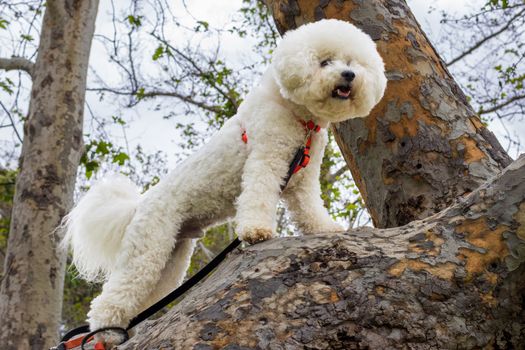
Small, curly-coated companion dog; cheerful, low-shedding, and highly sociable, but requiring intensive grooming and prone to separation anxiety.
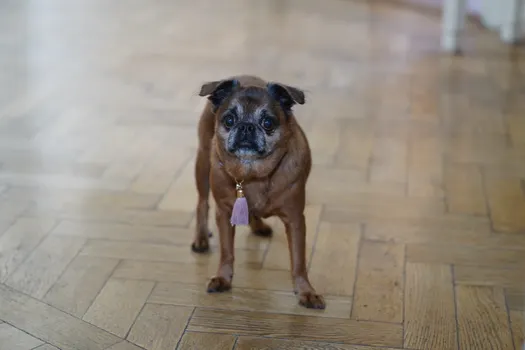
Tiny Belgian companion with a famously expressive face, intense people-focus, and a personality much larger than its body.

Distinctive toy companion seen in hairless and powderpuff varieties; affectionate, playful, and surprisingly athletic for its size.

Small Madagascar companion with a cottony coat, cheerful temperament, and strong desire to stay close to its people.
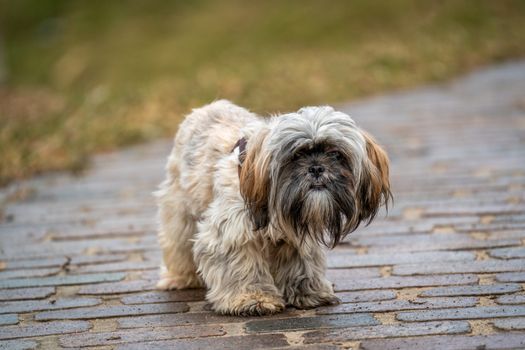
Regal Chinese lap dog bred for palace life; affectionate, sturdy, and highly adaptable to apartment living with demanding coat care.
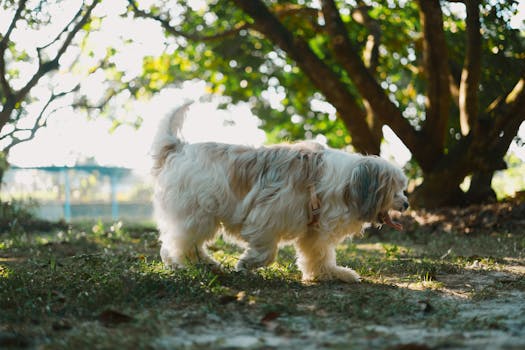
Cuba's national dog — a small, cheerful companion with a silky coat, low shedding, and exceptional adaptability to urban and apartment life.
Compare & learn more
Head-to-head comparisons
How important is shedding when choosing a breed?
Help improve PupWiki with one quick anonymous answer.
Find my breed match →