
Basset Hound
Charming, low-slung scent hound; remarkably good-natured and low-energy indoors but notoriously stubborn, prone to baying, and will follow any interesting scent off-lead.
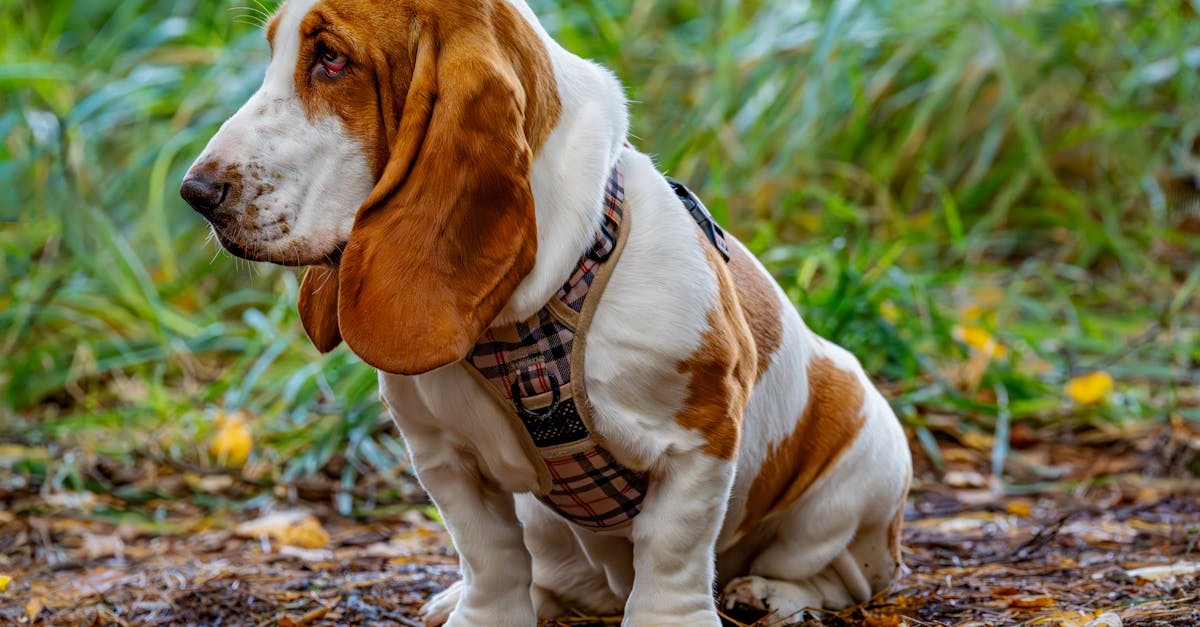
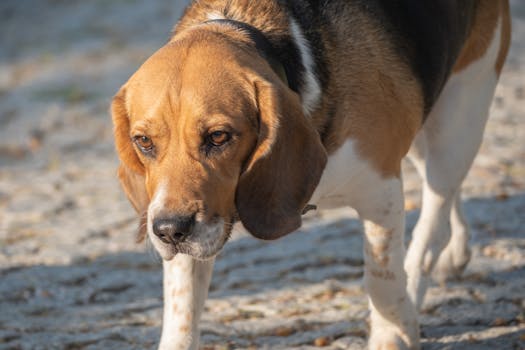
Photo by Gundula Vogel on Pexels
Quick facts: Basset Hound
- Size
- Medium
- Weight
- 10.4–15.4 kg
- Origin
- France / Belgium
- Life span
- 12–13 years
- Temperament
- Gentle, stubborn, friendly, affectionate
- Energy level
- Low
- Grooming needs
- Low
- Trainability
- High
- Apartment fit
- Medium
- Typical annual cost
- ~$2,200
Is the Basset Hound right for you?
Best for
- Families with children wanting a gentle, patient, low-energy companion
- Owners who want an affectionate, calm indoor dog
- Those who can manage vocal baying (not suitable for noise-sensitive buildings)
- Owners with securely fenced outdoor space
Not ideal if
- Those wanting a quiet breed (Basset baying is persistent and carries)
- Owners who need reliable recall off-lead
- Those wanting an easily trained, responsive breed
- Apartment dwellers without ground-floor access (long spine + stairs = health risk)
A loveable, low-energy companion with exceptional patience for children — be prepared for persistent baying and selective hearing when a scent is found.
Trait snapshot
Basset Hound is part of the Hound Group — see group tendencies →
What owners actually say
Basset Hound owners describe a loveable, slow-paced companion with a stubborn streak — the recall challenges, obesity risk, and back health require more active management than the breed's relaxed appearance suggests.
- Training
Stubborn and scent-driven — recall in open areas is unreliable. Owners universally describe a dog that acknowledges your call and then deliberately continues sniffing. Lead walking is essential in open spaces.
- General
Laid-back and affectionate indoors. Owners describe a breed that is excellent company for calm households — patient with children, friendly with strangers, and content with moderate exercise.
- Health reality
Obesity risk is significant — the breed's appetite combined with a low-energy lifestyle makes weight management essential. Owners report back problems (IVDD) are more likely in overweight dogs.
- Barking
The howling and baying is a defining characteristic. Owners in apartments or terraced housing describe complaints from neighbours. The vocalisation is instinctive — it cannot be trained away entirely.
- Grooming
Ear infections are common due to the long, heavy ears trapping moisture. Weekly ear cleaning is standard practice among experienced owners. The droopy eyes also require occasional cleaning.
Editorial summary. Phase 3 will add structured owner survey data.
Cost snapshot
Range $1,400–$3,800
Range $2,500–$7,500
After first year
Annual breakdown
Assumptions used:
- Regular ear cleaning supplies (ongoing)
- Watch weight carefully — obesity worsens back health
- Moderate food costs for size
Last reviewed: 2026-06-20
Read full methodology →Health watchlist
Health information is educational only. Always consult your veterinarian.
Intervertebral disc disease (IVDD)
Their long spine and short legs make Bassets prone to IVDD. Avoid allowing them to jump from heights. Watch for signs of back pain or rear limb weakness. Consult your vet immediately if symptoms appear.
Ear infections
Their long ears trap moisture and restrict airflow, creating ideal conditions for infection. Weekly ear cleaning is required as a routine maintenance task. Consult your vet for guidance.
Obesity
Bassets are food-motivated and prone to weight gain. Obesity significantly worsens their spinal health. Portion control and avoiding table scraps are important. Consult your vet for weight management guidance.
Bloat/GDV
Deep-chested body type creates moderate bloat risk. Feed smaller meals and avoid exercise right after eating. Consult your vet for guidance specific to your dog.
Glaucoma
The breed has elevated risk for primary glaucoma. Annual eye exams can catch early signs. Consult your vet for guidance specific to your dog.
Check your fit
Answer a few questions to see how a Basset Hound fits your household.
Frequently asked questions
Do Basset Hounds bark a lot?
Are Basset Hounds good with children?
Are Basset Hounds lazy?
Why does the Basset Hound look sad?
How much does it cost to own a Basset Hound?
What health problems are Basset Hounds prone to?
How much grooming does a Basset Hound need?
Are Basset Hounds easy to train?
Are Basset Hounds good apartment dogs?
Are Basset Hounds good for first-time owners?
Tools for Basset Hound owners
Similar breeds to the Basset Hound

Companion bulldog with heavy build; affectionate and calm indoors, moderate exercise needs.

Ancient Chinese guardian known for loose skin, a blue-black tongue, deep loyalty, and a reserved, challenging temperament.

Compact companion bred for city life; playful and affectionate with a calm, clownish streak.

Stocky, flat-faced companion breed with a charming personality; exceptionally people-focused and adaptable, but with significant breathing limitations in heat or high exercise.
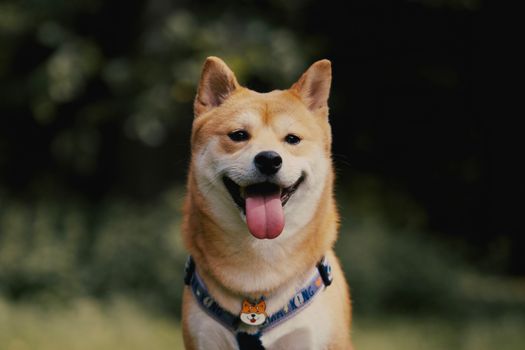
Ancient Japanese spitz-type breed with a foxlike appearance, bold personality, and fierce independence; clean, quiet, and increasingly popular — but not the obedient companion many expect.
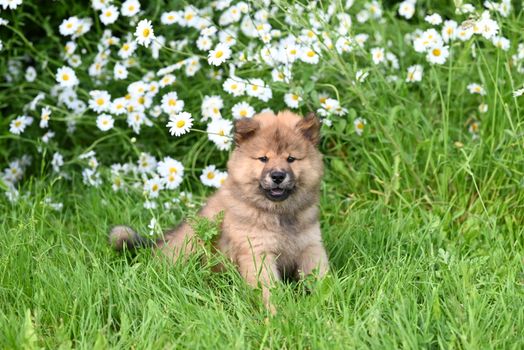
Ancient, lion-like Chinese breed with a famously aloof temperament; intensely loyal to one person but not a social, people-pleasing breed — requires experienced ownership.
Compare & learn more
Head-to-head comparisons

Relevant guides
What is your biggest breed research problem?
Help improve PupWiki with one quick anonymous answer.
Find my breed match →