
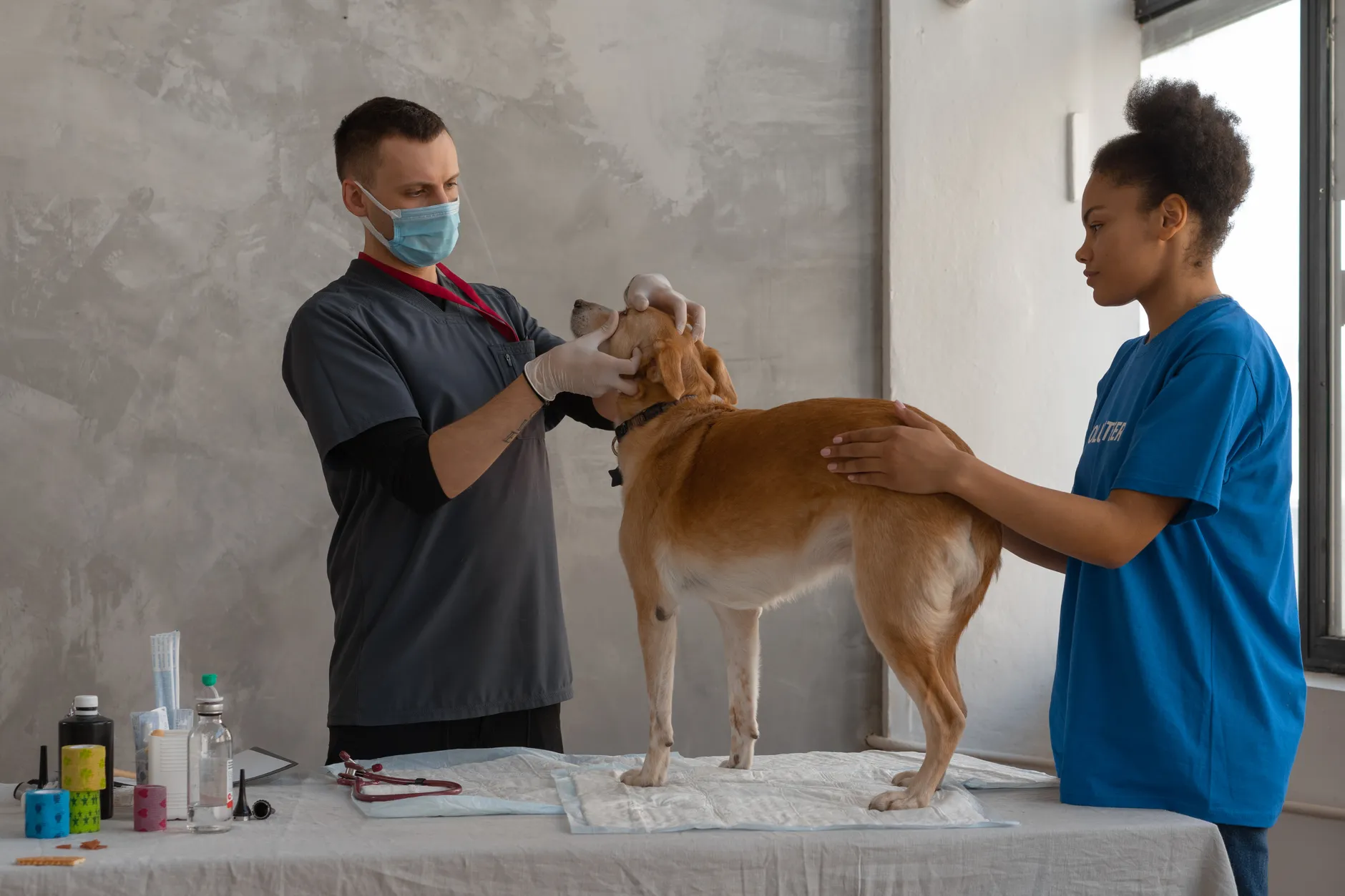
The first year of a puppy's health is shaped by decisions made in the first few weeks. Getting vaccinations, parasite prevention, and the first vet relationship established correctly from the start sets the foundation for a healthy adult dog.
Core vaccinations and the primary course
Vaccinations protect against potentially fatal infectious diseases. In the UK and many countries, core vaccines cover the diseases most likely to be encountered and most severe in outcome:
- Distemper — viral, attacks nervous system and respiratory tract; high mortality
- Hepatitis (adenovirus) — viral liver disease; can be fatal in puppies
- Parvovirus — highly contagious intestinal virus; very high mortality in unvaccinated puppies; survives in soil for years
- Leptospirosis — bacterial infection spread through water and rodents; can affect humans; requires annual vaccination
These are typically combined in a single injection (often called DHPPi + L). The primary course is two injections 2–4 weeks apart, starting at 6–8 weeks. Annual boosters maintain protection — leptospirosis requires annual vaccination; the viral components typically use a 3-year cycle after the first booster.
Non-core vaccines
Additional vaccines recommended based on lifestyle and risk:
- Kennel cough (Bordetella bronchiseptica + parainfluenza) — given as nasal drops; required by most boarding kennels; particularly relevant for dogs that attend daycare, dog parks, or training classes
- Rabies — required for international travel; not routinely given in rabies-free countries
This describes general UK vaccination protocols. Specific products, schedules, and regional recommendations vary. Always follow your vet's specific guidance.
Parasite prevention
Worms
Puppies are almost universally infected with roundworm (Toxocara canis) from their mother before birth and through milk. Treatment begins at 2 weeks of age:
- Every 2 weeks from 2 weeks old until 12 weeks old
- Monthly from 12 weeks to 6 months
- At least quarterly from 6 months onwards (or more frequently in high-risk situations)
Tapeworm requires specific products — not all roundworm treatments cover tapeworm. Lungworm (Angiostrongylus vasorum) requires a prescription product and is relevant in areas where the parasite is endemic (much of the UK). Your vet can advise on regional risk. Regular treatment matters beyond the puppy's health — roundworm is a zoonosis (transmissible to humans, particularly children).
Fleas
Prevention is more effective than treatment. Year-round flea prevention is standard practice. Products range from topical spot-ons (monthly) to oral tablets (monthly or 3-monthly) to collars (several months). Most prescription flea products from vets are more effective than over-the-counter products — the active ingredient concentration and speed of kill differ significantly.
If fleas are established in a home, the environment requires treatment — 95% of the flea lifecycle (eggs, larvae, pupae) is in the environment, not on the dog.
Ticks
Relevant in rural and wooded areas, particularly in tick-endemic regions. Ticks can transmit Lyme disease and other pathogens. Check after every walk in high-risk areas. Many flea products also cover ticks; confirm coverage with your vet. Remove ticks with a tick removal tool — twisting, not pulling straight out.
The first vet visit
Book the first vet visit within 24–48 hours of the puppy arriving home, before the first vaccination if one has not yet been given, or as a health check if the breeder administered the first injection. The first visit typically covers:
- Full physical examination (heart, lungs, eyes, ears, teeth, joints, genitalia)
- Weighing — establishes a baseline and confirms appropriate puppy weight for breed
- Vaccination: first injection or review of breeder's vaccination certificate
- Parasite prevention: deworming and discussion of ongoing flea/worm/tick protocol
- Microchip check — confirmation the chip is readable (required by law in the UK)
- Discussion of nutrition, neutering timing, and insurance
Bring the breeder's or rescue's documentation: vaccination certificate, worming records, microchip paperwork, and any health test results. This establishes the puppy's baseline record.
Microchipping
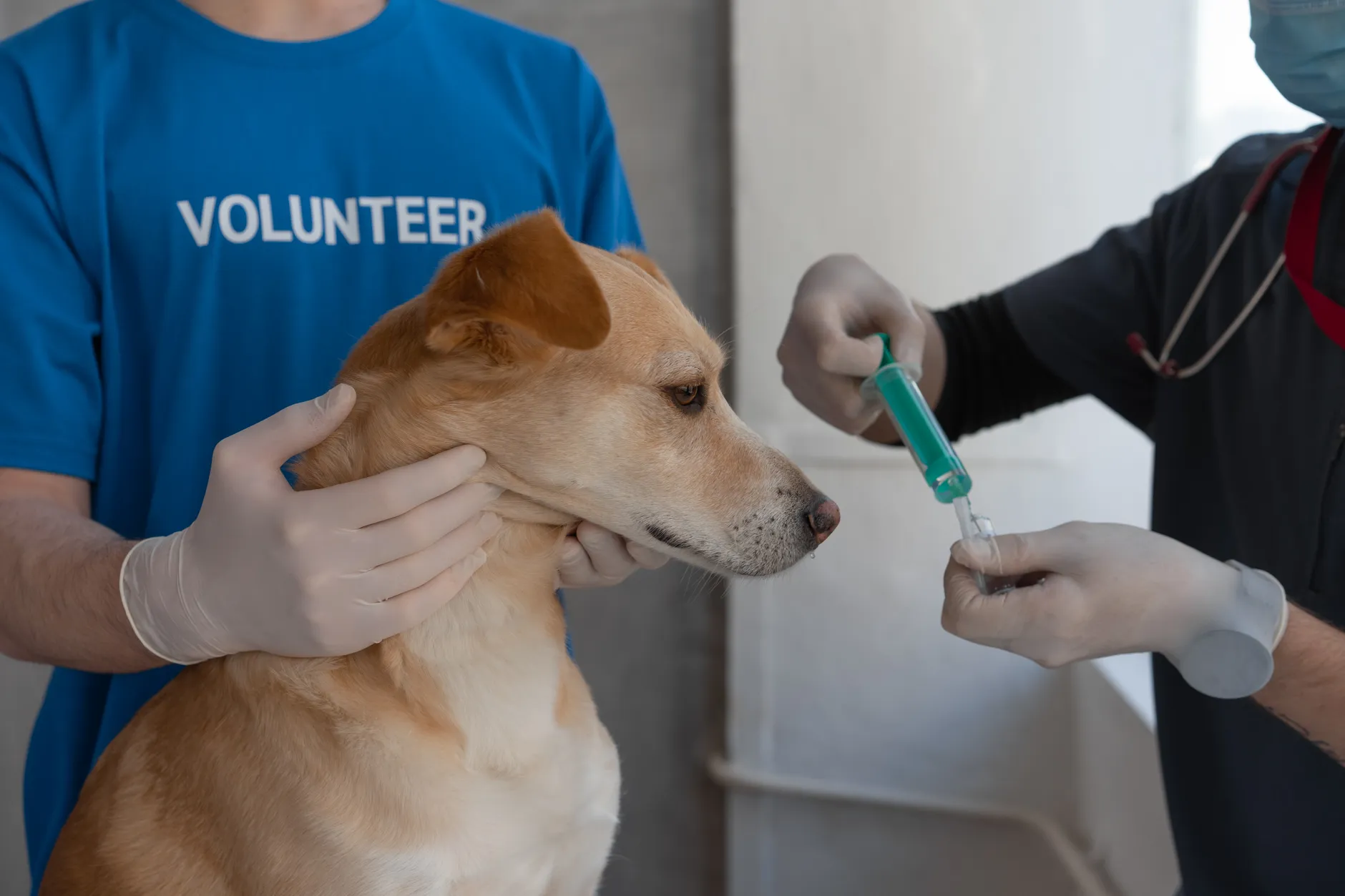
In the UK, puppies must be microchipped by 8 weeks of age — this is the breeder's legal responsibility. Confirm the chip is registered to your details at the point of transfer; the breeder should transfer ownership in the database. Keep your contact details updated — a microchipped dog is only reunitable if the database entry is current.
In the US, microchipping is recommended but not universally mandated; requirements vary by state and municipality. Your vet can microchip at the first visit.
Neutering: timing and considerations
The decision to neuter involves several considerations — health benefits, behaviour effects, and breed-specific timing guidelines:
- Females: Spaying before the first season significantly reduces mammary tumour risk. However, in larger breeds, evidence suggests hormones play a role in skeletal development — current guidance for large breeds often recommends waiting until 12–18 months for full skeletal maturity.
- Males: Castration removes testicular cancer risk, reduces roaming and some testosterone-driven behaviours. For large and giant breeds, early castration may affect joint development — timing recommendations have shifted toward 12–18 months in these breeds.
For small breeds, the traditional timing of 6 months remains common guidance. This is a decision to make with your vet based on your dog's breed, health, and household circumstances. There is no universal right answer.
This guide describes general educational information about puppy healthcare. Every dog is different. Consult your veterinarian for recommendations specific to your puppy's breed, weight, and health.
Frequently asked questions
- When should a puppy have their first vaccination?
- Typically at 8 weeks of age, though some vets start at 6–8 weeks depending on protocol and maternal antibody levels. The primary course is two injections 2–4 weeks apart. The first injection provides partial protection; full protection develops approximately 1–2 weeks after the second injection. In the UK, the core vaccines are distemper, hepatitis, parvovirus (often combined as DHPPi), and leptospirosis. The exact schedule depends on your vet and the specific vaccine used.
- How long after the second vaccination can my puppy go outside?
- Full protection typically develops 1–2 weeks after the second injection — your vet will confirm the specific window based on the vaccine used. Before this, puppies can be carried in areas where unknown dogs may have been, but should not be placed on ground in public parks, pavements, or areas where parvovirus (which persists in soil for years) may be present. Socialisation during this window is still critical — carry them to new environments rather than restricting exposure entirely.
- Should I neuter my puppy, and when?
- For most companion dogs without breeding plans, neutering is recommended. The timing question has become more nuanced. For females, early neutering (before first season) reduces mammary tumour risk but may affect skeletal development in large breeds. For males, early castration reduces roaming and some hormone-driven behaviours but in large breeds may affect joint development. Current guidance trends toward 12–18 months for large and giant breeds, 6–12 months for small breeds. Discuss your dog's specific breed and health picture with your vet — this is educational information, not a recommendation for your individual dog.
- What worm treatment does a puppy need?
- Puppies require treatment for roundworm from 2 weeks of age (every 2 weeks until 12 weeks, then monthly until 6 months). Most puppies carry roundworm transmitted from their mother. After 6 months, frequency reduces to quarterly for most dogs — or more frequently if in a high-risk environment (livestock areas, raw meat diet). Tapeworm prevention is separate and typically requires flea control as the primary vector. Some products combine roundworm and tapeworm coverage; others target specific parasite groups. Lungworm prevention (Angiostrongylus) requires a specific product and is particularly relevant in certain regions of the UK.
- How much does puppy healthcare cost in the first year?
- First-year health costs vary significantly by region, practice, and breed. Rough estimates for the UK: vaccination course (2 injections) £80–£150, annual booster £50–£80, microchipping £20–£30 (required by 8 weeks for breeders; can be done at first vet visit), flea and worm treatment £80–£150 annually, neutering £150–£400 depending on sex and weight. First vet visit £40–£60 consultation. Total health spend in year one (excluding insurance): £400–£800 excluding any illness or injury. Pet insurance (£20–£60/month depending on breed and cover level) significantly affects this calculation.


