
What socialisation actually means
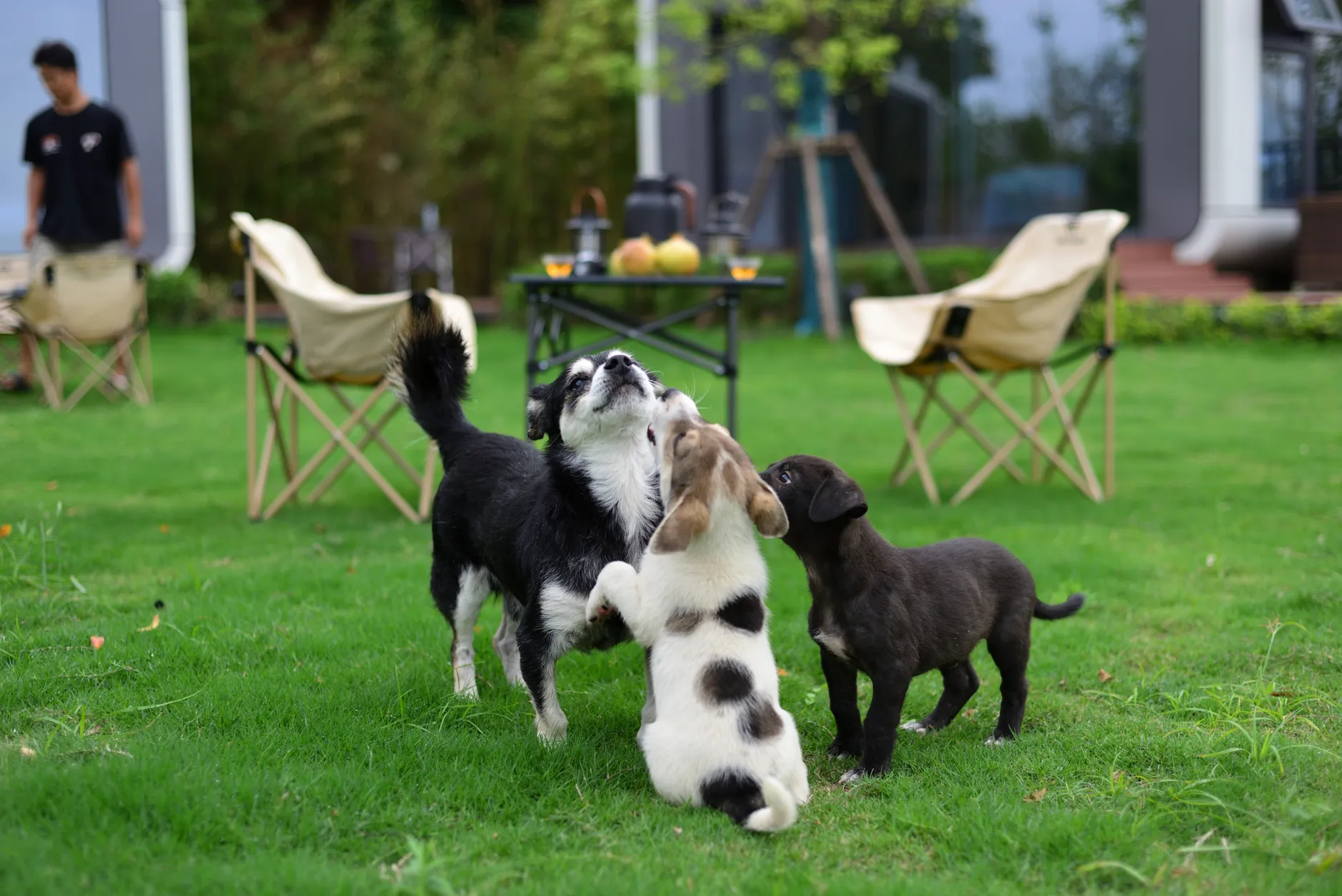
Socialisation is not the same as meeting lots of people or other dogs. It is the process of exposing a young puppy to a wide range of stimuli — people, environments, sounds, animals, and handling — in a way that builds positive or neutral associations, rather than fear or avoidance.
A well-socialised puppy learns that the world is broadly safe and predictable. This foundation shapes how they respond to novel situations for the rest of their life. A puppy that misses this window often develops fear-based behaviours that become progressively harder to address in adulthood.
The goal is not to overwhelm — it is to build a track record of positive experiences, one exposure at a time.
The critical socialisation window
The primary socialisation period in dogs runs from approximately 3 to 12 weeks of age. During this window, the brain is forming the neural pathways that determine how novel stimuli are processed throughout adulthood. Exposure during this period has a disproportionately large and lasting effect compared to exposure at any later stage.
The American Veterinary Society of Animal Behavior (AVSAB) states that the risks of under-socialisation typically outweigh the risks of disease exposure during the critical window. Puppy classes in clean environments, and visits to well-maintained spaces where vaccinated dogs are present, are considered appropriate before the full vaccination series is complete.
Source: AVMA, AVSAB position statement on puppy socialisation
What to expose your puppy to
The breadth of exposure matters as much as the number of exposures. A puppy who has met fifty dogs but never seen a child in a pushchair may still react fearfully to one later. Aim for variety across four categories:
People
- Adults of various ages (young, middle-aged, elderly)
- Children — toddlers, school-age, teenagers
- People in hats, glasses, beards, or hoods
- People in uniforms (postal workers, delivery drivers)
- People using mobility aids (canes, wheelchairs, walkers)
- People of different skin tones and voices
Environments
- Indoor spaces (lifts, staircases, tiled floors, concrete)
- Outdoor spaces (parks, pavements, grass, gravel)
- Busy urban environments (traffic, crowds, market noise)
- Veterinary practice visits (non-treatment visits for positive associations)
- Car travel
- Grooming table and handling equipment
Sounds
- Traffic and road noise
- Thunderstorms and fireworks (recordings at low volume)
- Household appliances (vacuum, washing machine, hairdryer)
- Babies crying and children playing
- Construction and sudden loud noises
Animals
- Other dogs (vaccinated, known-friendly adults and other puppies)
- Cats and small pets — controlled, positive introduction
- Farm animals or livestock if applicable to your location
How to socialise safely — the practical approach
Keep it positive
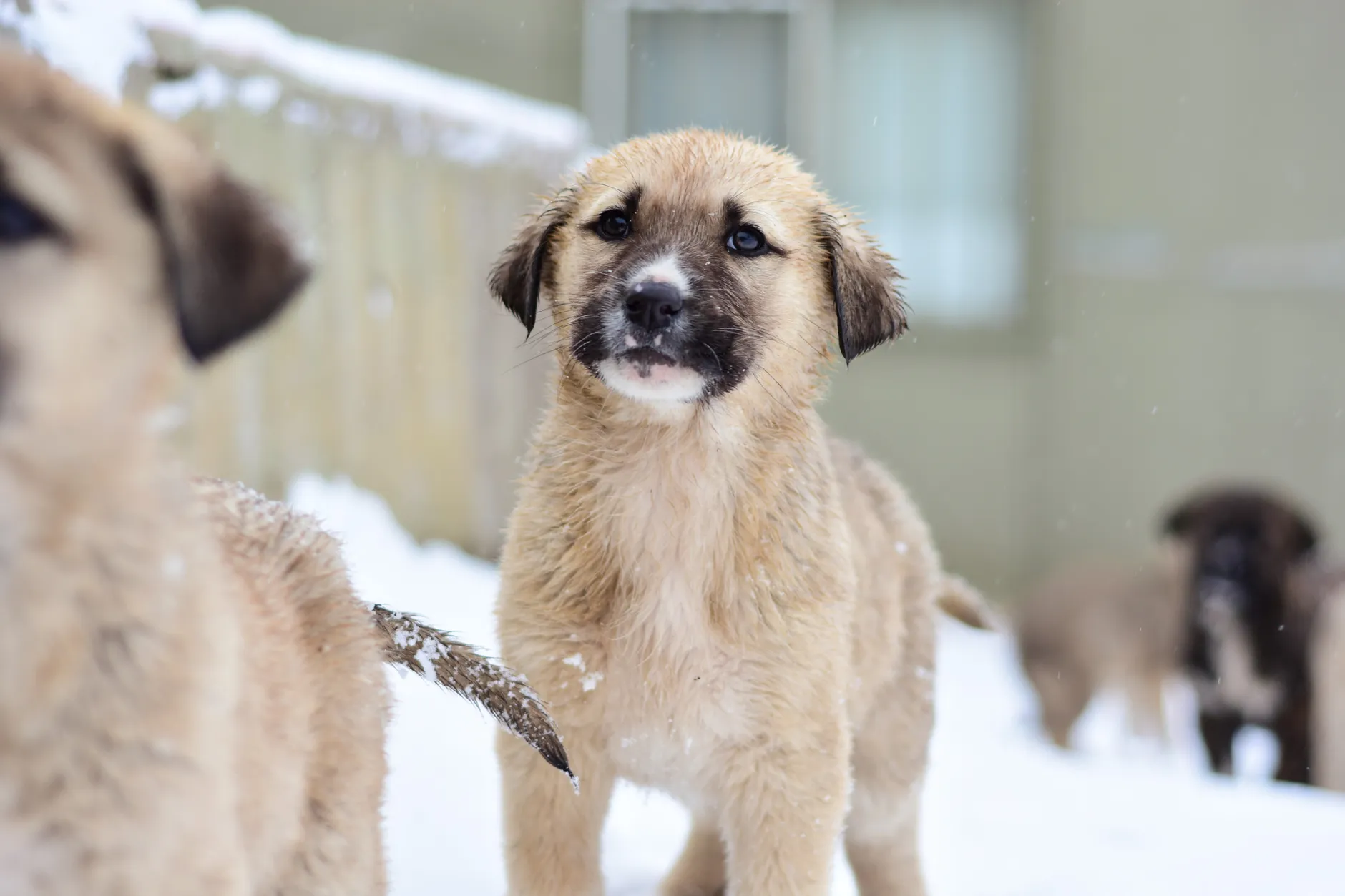
Every exposure should end with the puppy feeling calm or positive, not flooded or frightened. Signs of stress include yawning, lip licking, ears back, tail tucked, freezing, or trying to retreat. If you see these signals, the exposure is too intense — increase distance or reduce the stimulus.
Use high-value food
Pairing novel stimuli with high-value food (small pieces of cooked chicken, cheese, or commercial high-reward treats) builds positive associations efficiently. The food must arrive while the stimulus is present — timing is everything.
Let the puppy set the pace
Do not force interactions. If a puppy retreats from an unfamiliar person or dog, allow them to observe from a safe distance before approaching. Forcing contact when a puppy is reluctant teaches the opposite of the intended lesson.
Manage vaccination risk without stopping socialisation
Before full vaccination, avoid high-risk environments (dog parks, areas where unknown dogs congregate, or known parvovirus-endemic areas). Instead:
- Attend puppy socialisation classes that require proof of vaccination and first-round worming
- Visit friends and family with vaccinated, healthy dogs
- Carry the puppy in public environments (pavements, markets) to expose them to sounds and sights without ground contact
- Invite people to your home rather than taking the puppy to crowded unknown environments
Habituate to handling
Daily handling is a distinct component of socialisation that is often overlooked. Touch ears, paws, mouth, and tail regularly. Use food rewards during and after. This directly prepares the puppy for veterinary examinations and grooming — making those experiences less stressful for the dog and less difficult for you and your vet.
Common mistakes
Waiting for full vaccination
Waiting until 16 weeks for any socialisation misses the entire primary window. Work with your vet on a risk-managed approach that allows appropriate exposure during weeks 8–12.
Quantity over quality
Taking a puppy to busy environments where they are overwhelmed does not socialise them — it sensitises them. Fifteen calm, positive exposures outweigh fifty stressful ones.
Socialising only with dogs
Many owners focus on dog-to-dog interaction and neglect exposure to children, unusual environments, loud noises, and handling. Reactivity to any of these is equally limiting in adult life.
Stopping after puppyhood
Socialisation does not end at 12 weeks. Ongoing exposure throughout adolescence (4–18 months) reinforces and maintains what was built in the critical window. Adolescent dogs that stop encountering variety often regress.
Assuming small dogs need less
Under-socialised small breeds (Chihuahua, Pomeranian, Maltese) are significantly more likely to develop fear-based aggression — often dismissed as personality rather than recognised as a training and socialisation outcome. Small dogs need the same rigorous exposure programme as large breeds.
Breed-specific socialisation notes
All breeds benefit from broad socialisation, but some have predispositions that make specific exposures particularly important.
High sensitivity to movement and sound — early, calm exposure to livestock and bicycles is especially important.
Natural wariness of strangers. Structured, positive exposure to a wide variety of people from week 6 onward reduces guarding reactivity.
Friendly by nature, but prey drive is innate — early, managed introductions to cats and small animals are essential.
Alert and protective instincts emerge early. Broad, positive socialisation is critical to preventing over-reactivity in adulthood.
Often missed for socialisation due to small size. Under-socialised Chihuahuas are significantly more likely to develop fear-based aggression.
Naturally sociable — socialisation is relatively straightforward, but still essential to prevent over-excitement and jumping.
Scent-driven and easily distracted. Socialisation should include varied environments with interesting smells, building focus in novel situations.
Gentle, adaptable breed. Early positive experiences with grooming and handling are particularly valuable given their health check requirements.
What happens if the window is missed?
A puppy that receives little or no socialisation during the critical window can still be helped — but recovery is slower, requires more professional input, and has limits. Fear-based reactivity that develops from poor socialisation is one of the leading reasons dogs are surrendered to shelters.
If you have adopted an older puppy or adult dog with a poor socialisation history, a qualified force-free trainer or veterinary behaviourist is the right starting point. Desensitisation and counter-conditioning protocols can make meaningful improvements, but outcomes vary by individual dog and how deeply the fear responses are entrenched.
The health information on PupWiki is for educational purposes only and does not constitute veterinary medical advice, diagnosis, or treatment. Always seek the guidance of a licensed veterinarian with any questions you may have regarding your dog's health or a medical condition.
Quick reference: socialisation checklist
Use this as a rough tracker across the first 12 weeks at home (weeks 8–20 of age):
People
- Men and women of varying ages
- Children (toddler to teenager)
- Person with hat, glasses, beard
- Person with umbrella or pushchair
- Delivery driver or person in uniform
Environments
- City pavement with traffic
- Stairs and slippery floors
- Vet clinic (positive visit only)
- Car journey
- Park or green space
Sounds
- Vacuum cleaner
- Thunder or fireworks recording
- Babies or children playing
- Busy road noise
- Doorbell and knocking
Handling
- Ears touched and examined
- Paws handled and nails touched
- Mouth opened and teeth examined
- Brushing with grooming tools
- Restraint for brief examination
Frequently asked questions
- When is the critical socialisation window for puppies?
- The primary socialisation window runs from approximately 3 to 12 weeks of age. A secondary window extends to around 16 weeks with diminishing but still meaningful sensitivity. During this period, the brain is forming the neural pathways that determine how novel stimuli are processed throughout adulthood. Missing this window is one of the most common causes of fear-based behaviour in adult dogs.
- Can I socialise my puppy before they are fully vaccinated?
- Yes, with risk management. The AVMA and AVSAB (American Veterinary Society of Animal Behavior) agree that the behavioural risk of under-socialisation typically outweighs the disease risk for healthy puppies in low-risk environments. Attend puppy classes that require proof of vaccination, visit friends with vaccinated healthy dogs, and carry your puppy in busy environments to expose them to sounds and sights without ground contact in uncontrolled areas.
- What should I expose my puppy to during socialisation?
- Breadth matters as much as quantity. Aim for variety across four categories: people (men, women, children, elderly, people in hats/uniforms/mobility aids), environments (urban streets, lifts, vet clinic visits, cars), sounds (traffic, thunderstorm recordings, household appliances), and animals (vaccinated dogs, cats in controlled settings). A puppy who has met 50 dogs but never seen a child in a pushchair may still react fearfully to one later.
- What happens if a puppy misses the socialisation window?
- A puppy with little or no socialisation during the critical window can still be helped, but recovery is slower, requires more professional input, and has limits. Fear-based reactivity from poor early socialisation is one of the leading reasons dogs are surrendered to shelters. If you have an older puppy or adult dog with a poor socialisation history, a qualified force-free trainer or veterinary behaviourist is the right starting point.
- How many dogs should my puppy meet during socialisation?
- Quality and variety matter more than raw numbers. Fifteen calm, positive exposures across different types of people, environments, and animals outweigh fifty stressful or overwhelming ones. Watch for stress signals (yawning, lip licking, ears back, tail tucked, freezing) — if you see these, the exposure is too intense. Reduce the intensity rather than pushing through.


