
Maltese
Ancient Mediterranean companion breed; gentle, playful, and nearly non-shedding with a flowing white coat that demands consistent grooming.

Photo by Raul Hernandez on Pexels
Quick facts: Maltese
- Size
- Toy
- Weight
- 1.8–3.2 kg
- Origin
- Malta
- Life span
- 12–15 years
- Temperament
- Gentle, playful, fearless, affectionate
- Energy level
- Low
- Grooming needs
- Very‑high
- Trainability
- Medium
- Apartment fit
- Very‑high
- Typical annual cost
- ~$1,600
Is the Maltese right for you?
Best for
- Apartment dwellers seeking a low-shedding companion
- Retirees or work-from-home owners who are home frequently
- Owners who enjoy daily coat maintenance or budget for grooming
- Those wanting a gentle, cuddly lap dog
Not ideal if
- Households with young children (fragile and can be snappy if mishandled)
- Owners away from home for long hours (prone to separation anxiety)
- Cold climates without appropriate coat management
- Those who want a low-maintenance or independent dog
A low-shedding, affectionate apartment dog with high grooming needs — best for adults and calm households who can be home often.
Trait snapshot
Maltese is part of the Toy Group — see group tendencies →
What owners actually say
Maltese owners adore the gentle companion temperament and minimal shedding but emphasize that the coat demands daily attention and the breed struggles with long alone periods.
- Grooming
Owners who keep the long traditional coat describe daily brushing as non-negotiable — the silky hair mats quickly without it. Most owners eventually opt for a shorter puppy cut, which reduces brushing to a few times a week but still requires professional grooming every 6–8 weeks.
- Health reality
Luxating patella (slipping kneecap) is common in the Maltese — watch for occasional skipping on three legs, especially in younger dogs. Dental crowding is also frequent given the small jaw. Both conditions benefit from early veterinary monitoring.
- Alone time
Maltese were bred as companions and bond intensely with their person. Long alone periods frequently lead to separation anxiety — destructive behaviour, incessant barking, and distress. Gradual independence training from puppyhood is essential for households where the dog will spend time alone.
- Training
Surprising to some owners, Maltese are quite trainable when motivated. They enjoy learning tricks, respond to positive reinforcement, and can be very responsive — their small size makes them unintimidating training partners, which works well for first-time owners.
- Apartment life
The Maltese is among the best apartment and city dogs. Gentle exercise requirements, tiny footprint, minimal shedding, and a calm indoor temperament combine well for urban living, provided grooming and companionship needs are met.
- Shedding
The Maltese is classed as near non-shedding — there is very little loose hair to find on furniture and clothing. The coat grows continuously rather than shedding seasonally, which is the trade-off that requires regular trimming and brushing.
Editorial summary. Phase 3 will add structured owner survey data.
Cost snapshot
Range $900–$2,800
Range $1,900–$5,500
After first year
Annual breakdown
Assumptions used:
- Professional grooming every 4–6 weeks is the primary cost driver
- Dental care costs — professional cleaning likely needed at least annually
Last reviewed: 2026-06-20
Read full methodology →Health watchlist
Health information is educational only. Always consult your veterinarian.
Hypoglycaemia
Very small Maltese, particularly puppies, are vulnerable to low blood sugar. Regular small meals and monitoring are important. Consult your vet for guidance specific to your dog.
Dental disease
Small jaws lead to crowded teeth and a high rate of periodontal disease. Daily dental care or regular professional cleaning is strongly recommended. Consult your vet for guidance specific to your dog.
Luxating patella
Patellar luxation is a common toy breed condition. Most cases are mild; regular check-ups allow monitoring and early intervention if needed. Consult your vet for guidance specific to your dog.
Tracheal collapse
Common in toy breeds. Use a harness instead of a collar. Watch for honking cough. Consult your vet for guidance specific to your dog.
Liver shunt
Portosystemic shunts occur at above-average rates. Watch for stunted growth or disorientation after meals. Consult your vet for guidance specific to your dog.
Check your fit
Answer a few questions to see how a Maltese fits your household.
Frequently asked questions
Do Maltese dogs shed?
Are Maltese good for apartment living?
Can Maltese be left alone?
How much grooming does a Maltese need?
How much does it cost to own a Maltese?
What health problems are Malteses prone to?
Are Malteses easy to train?
Are Malteses good for first-time owners?
How long do Malteses live?
Tools for Maltese owners
Similar breeds to the Maltese

Regal ancient Chinese toy companion with a rolling gait, heavy coat, strong loyalty, and important flat-face care considerations.

Tiny spitz-type dog with a bold personality and spectacular double coat; alert, lively, and deeply loyal to their person.
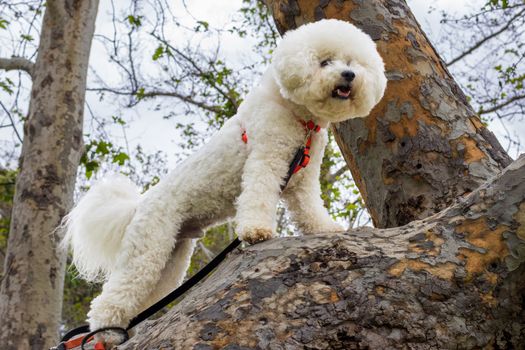
Small, curly-coated companion dog; cheerful, low-shedding, and highly sociable, but requiring intensive grooming and prone to separation anxiety.
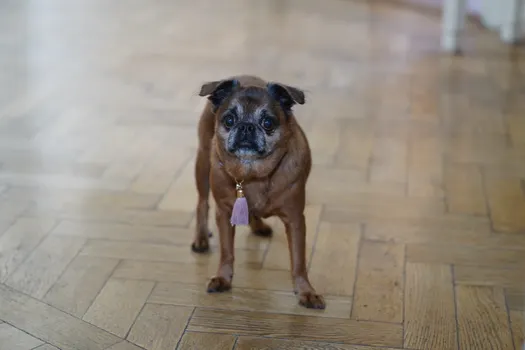
Tiny Belgian companion with a famously expressive face, intense people-focus, and a personality much larger than its body.

Distinctive toy companion seen in hairless and powderpuff varieties; affectionate, playful, and surprisingly athletic for its size.

Small Madagascar companion with a cottony coat, cheerful temperament, and strong desire to stay close to its people.
Compare & learn more
Head-to-head comparisons


What matters most when choosing a dog breed?
Help improve PupWiki with one quick anonymous answer.
Find my breed match →