
Pekingese
Regal ancient Chinese toy companion with a rolling gait, heavy coat, strong loyalty, and important flat-face care considerations.
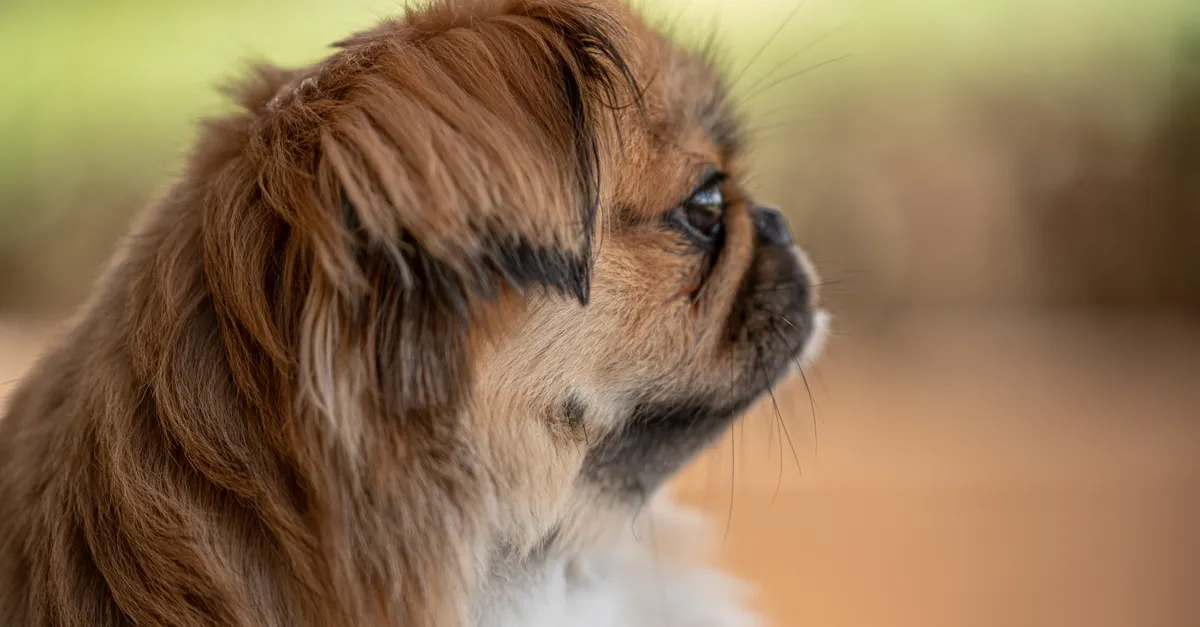
Photo by bassel zaki on Pexels
Quick facts: Pekingese
- Size
- Toy
- Weight
- 3.2–6.4 kg
- Origin
- China
- Life span
- 12–14 years
- Temperament
- Affectionate, loyal, regal, opinionated, alert
- Energy level
- Low
- Grooming needs
- Very‑high
- Trainability
- Medium‑high
- Apartment fit
- Very‑high
- Typical annual cost
- ~$2,300
Is the Pekingese right for you?
Best for
- Adults, seniors, and calm households wanting a small loyal companion
- Apartment homes with climate control and gentle exercise routines
- Owners who prefer a dignified companion over a high-energy athlete
- People prepared for coat maintenance and brachycephalic health awareness
Not ideal if
- You want a jogging or hot-weather outdoor companion
- You prefer rough-and-tumble play with young children or large dogs
- You want a low-grooming breed
- You are not prepared for potential brachycephalic and eye-related vet costs
A devoted low-exercise companion for careful owners who take heat, breathing, eye, and grooming management seriously.
Trait snapshot
Pekingese is part of the Toy Group — see group tendencies →
What owners actually say
Pekingese ownership is calm and deeply affectionate when managed carefully, but heat, eyes, coat, and flat-face risk shape daily life.
- Apartment life
Very apartment-friendly in space and exercise needs. Owners often say the breed is happiest near its person in a cool, comfortable home.
- Health reality
The most common surprise is how seriously heat and eye protection must be taken. Short walks and indoor comfort are not laziness; they are safety.
- Grooming
The coat sheds and mats more than many first-time toy owners expect. Professional grooming or steady brushing is normal.
- Training
Training is usually about manners and cooperation rather than sport-style obedience. They respond best when treated with patience and dignity.
- Energy
Low exercise needs are real, but weight gain happens quickly if treats and indoor life are not managed.
- General
Owners who love the breed often call them regal, funny, and intensely loyal — a small companion with a large sense of self.
Editorial summary based on owner accounts and breed community feedback. Phase 3 can replace or enrich this with structured PupWiki owner survey data.
Cost snapshot
Range $1,200–$4,500
Range $2,400–$8,200
After first year
Annual breakdown
Assumptions used:
- Toy-breed food volume
- Professional grooming or intensive brushing required
- Potential brachycephalic, eye, and dental care variability
- Climate control and conservative exercise habits are assumed
Last reviewed: 2026-07-02
Read full methodology →Health watchlist
Health information is educational only. Always consult your veterinarian.
Brachycephalic airway and heat sensitivity
Short-muzzled dogs can struggle with heat, humidity, stress, and strenuous exercise. Avoid hot-weather exertion and discuss breathing noise, snoring, or exercise intolerance with your vet.
Eye injury and irritation
Prominent eyes can be vulnerable to scratches, dryness, and trauma. Any squinting, redness, discharge, or cloudiness should be treated as a prompt veterinary issue.
Intervertebral disc and back care
Compact, long-backed toy breeds benefit from lean weight, safe furniture access, and avoiding repeated jumping. Discuss pain, reluctance to move, or weakness immediately.
Dental crowding
Small jaws and a shortened face can increase dental crowding and periodontal disease risk. Daily dental care and veterinary cleanings are important.
Check your fit
Answer a few questions to see how a Pekingese fits your household.
Frequently asked questions
Are Pekingese good apartment dogs?
Can Pekingese handle hot weather?
How much grooming does a Pekingese need?
Are Pekingese good with children?
Are Pekingese easy to train?
Do Pekingese need much exercise?
What are the main Pekingese health watch-outs?
Tools for Pekingese owners
Similar breeds to the Pekingese
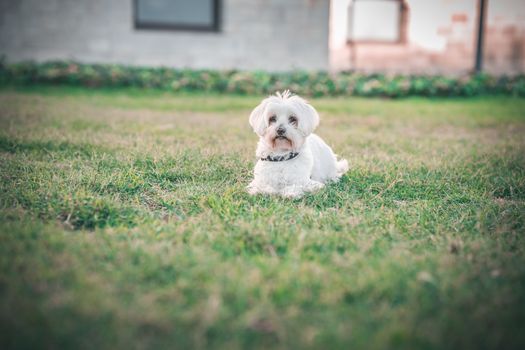
Ancient Mediterranean companion breed; gentle, playful, and nearly non-shedding with a flowing white coat that demands consistent grooming.
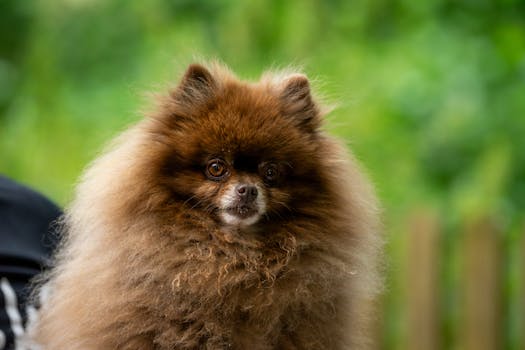
Tiny spitz-type dog with a bold personality and spectacular double coat; alert, lively, and deeply loyal to their person.
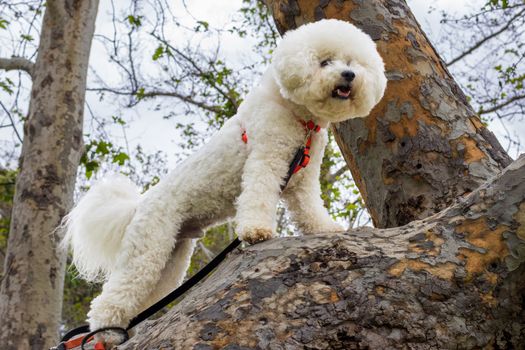
Small, curly-coated companion dog; cheerful, low-shedding, and highly sociable, but requiring intensive grooming and prone to separation anxiety.
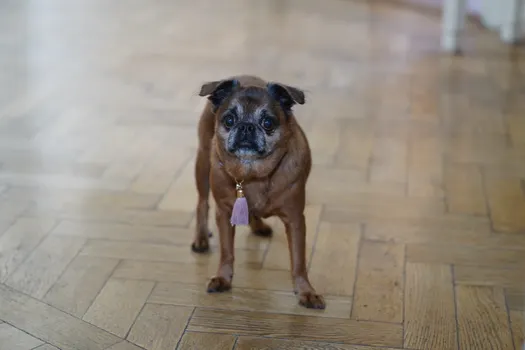
Tiny Belgian companion with a famously expressive face, intense people-focus, and a personality much larger than its body.
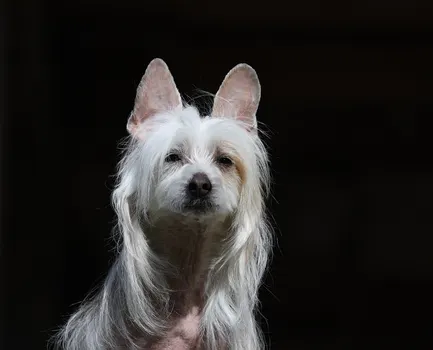
Distinctive toy companion seen in hairless and powderpuff varieties; affectionate, playful, and surprisingly athletic for its size.
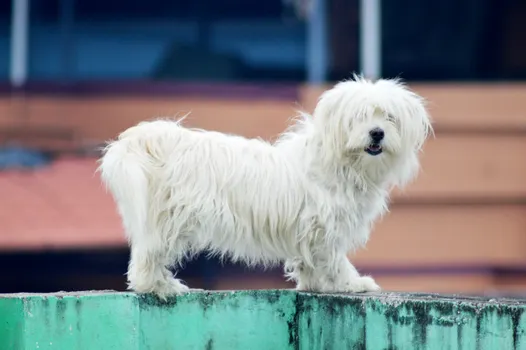
Small Madagascar companion with a cottony coat, cheerful temperament, and strong desire to stay close to its people.
Compare & learn more
After reading this breed page, what are you still unsure about?
Help improve PupWiki with one quick anonymous answer.
Compare breeds →