
Siberian Husky
Endurance sled dog from Siberia; athletic, mischievous, and demanding of experienced active owners.
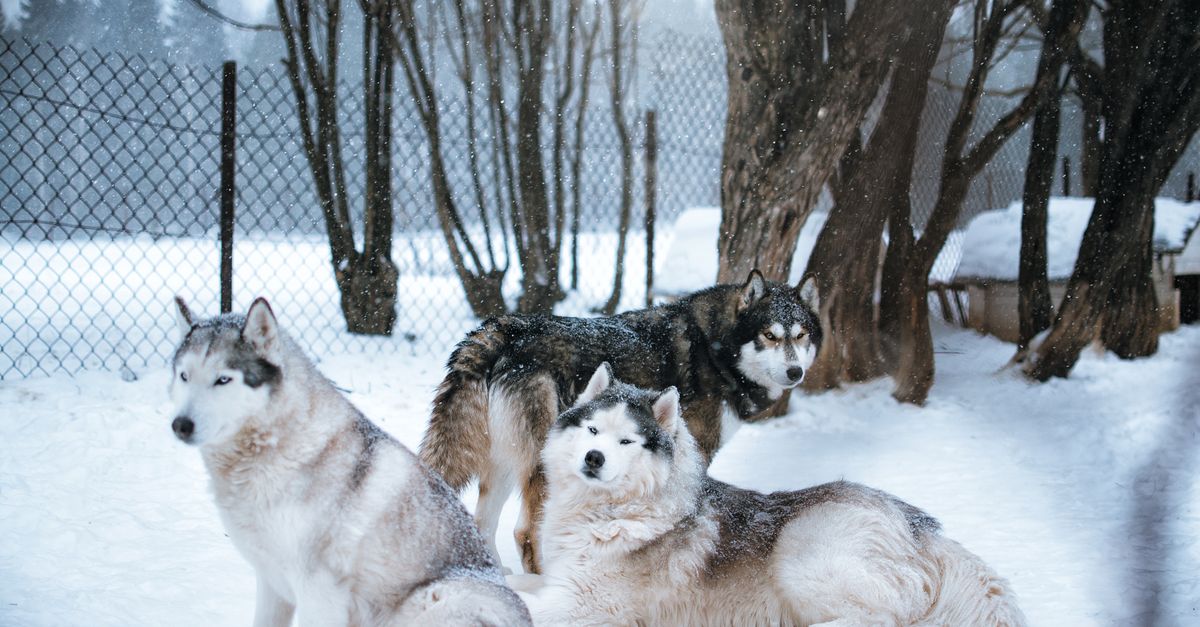
Quick facts: Siberian Husky
- Size
- Medium
- Weight
- 20.4–27.2 kg
- Origin
- Russia (Siberia)
- Life span
- 12–14 years
- Temperament
- Outgoing, mischievous, loyal, athletic
- Energy level
- Very‑high
- Grooming needs
- High
- Trainability
- High
- Apartment fit
- Very‑low
- Typical annual cost
- ~$2,200
Is the Siberian Husky right for you?
Best for
- Very active owners or athletes
- Homes with large secure gardens
- Experienced owners who enjoy working dog challenges
- Cold or temperate climate regions
Not ideal if
- Apartment or urban living without exercise access
- First-time dog owners
- Hot climate regions
- Owners unable to provide 2+ hours of vigorous activity daily
A high-energy, sociable working breed that demands extreme dedication and is not suited to apartment life or hot climates.
Trait snapshot
Siberian Husky is part of the Working Group — see group tendencies →
Build a personalised training plan for your Siberian Husky →
What owners actually say
Husky owners consistently celebrate the breed’s personality and athleticism — and are candid about the shedding, escape artistry, and need for serious exercise commitment.
- Shedding
The shedding is extreme — especially during the twice-yearly coat blow. Owners describe it as finding fur on every surface. Daily brushing and a good vacuum are non-negotiable.
- exercise
Without 2+ hours of vigorous activity, Huskies become destructive and vocal. Owners who run, hike, or cycle report a much easier ownership experience.
- escape
Notorious escape artists. Owners emphasise fully secured, high fencing — Huskies can climb, dig under, or jump over standard fences.
- Alone time
Pack-oriented by nature. Owners who leave them alone report howling, destruction, and anxiety. A second dog or doggy daycare makes a real difference.
- heat
Struggle significantly in heat. Owners in warm climates describe limiting outdoor time to early morning and evening, with constant access to shade and water.
- General
Owners describe Huskies as deeply rewarding for the right person — playful, friendly, and hilarious. The commitment required is significant, but experienced owners rarely regret it.
- Health reality
Autoimmune conditions, particularly those affecting the skin and eyes, appear more frequently than expected. Zinc-responsive dermatosis and uveodermatologic syndrome are breed-specific concerns that most first-time Husky owners have never heard of.
Editorial summary based on owner accounts and breed community feedback.
Cost snapshot
Range $1,400–$3,800
Range $2,500–$7,500
After first year
Annual breakdown
Assumptions used:
- Medium breed food
- Deshedding tools and seasonal grooming
- High activity — enrichment and training costs
Last reviewed: 2026-06-20
Read full methodology →Health watchlist
Health information is educational only. Always consult your veterinarian.
Hip dysplasia
Common in the breed. Ask breeders for OFA certification and maintain healthy weight. Consult your vet for guidance specific to your dog.
Hereditary eye conditions (PRA, cataracts)
Progressive Retinal Atrophy and hereditary cataracts occur. CAER exams are standard for responsible breeders. Consult your vet for guidance specific to your dog.
Hypothyroidism
Higher than average rates in the breed. Annual wellness checks are important. Consult your vet for guidance specific to your dog.
Skin conditions
Zinc-responsive dermatosis is a breed-specific skin condition. Watch for crusty or scaly skin, especially around the face. Consult your vet for guidance specific to your dog.
Bloat/GDV
Deep-chested breed with moderate bloat risk. Feed smaller meals and avoid exercise after eating. Consult your vet for guidance specific to your dog.
Check your fit
Answer a few questions to see how a Siberian Husky fits your household.
Frequently asked questions
Do Siberian Huskies shed a lot?
Can Siberian Huskies live in hot climates?
Are Siberian Huskies good off-leash?
How much exercise does a Siberian Husky need?
How much does it cost to own a Siberian Husky?
What health problems are Siberian Huskys prone to?
How much grooming does a Siberian Husky need?
Are Siberian Huskys easy to train?
Are Siberian Huskys good apartment dogs?
Are Siberian Huskys good for first-time owners?
Tools for Siberian Husky owners
Similar breeds to the Siberian Husky
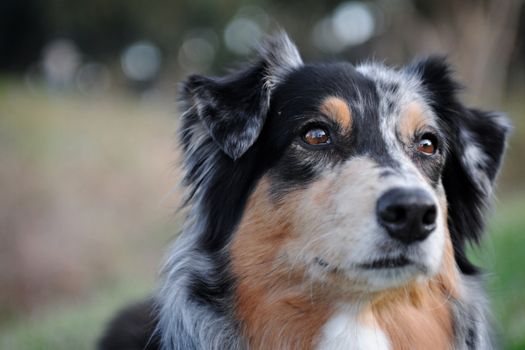
Agile stock dog bred for all-day work; sharp-minded and happiest with a job or intense play.
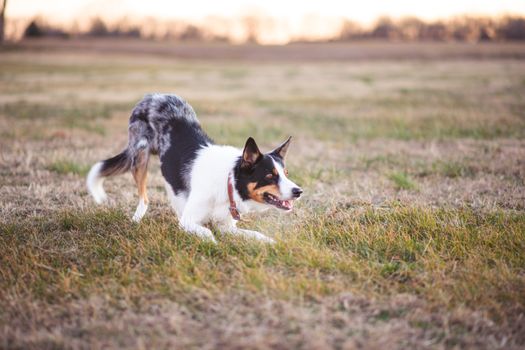
Widely regarded as the world's most intelligent breed; an elite herding dog built for relentless work and intense mental engagement.
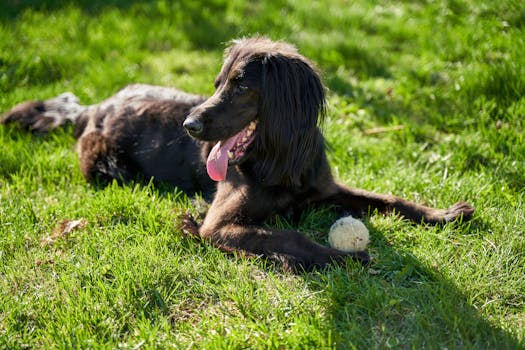
Exuberant, athletic sporting dog with a stunning mahogany coat; requires extensive daily exercise and consistent training to channel high energy.
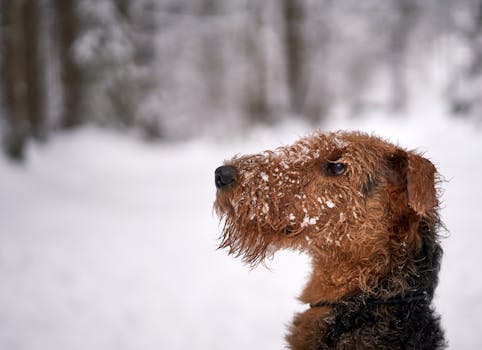
The largest of the terrier breeds; versatile working dog with keen intelligence, stubbornness, and an enthusiastic spirit.
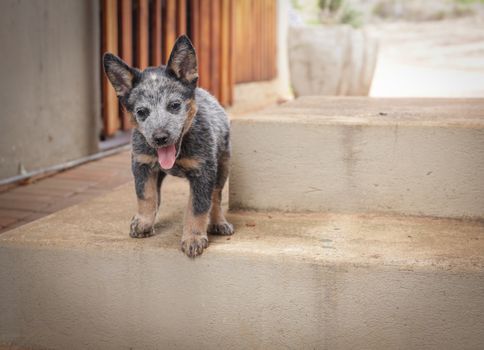
Exceptionally intelligent Australian herding breed — also known as the Blue Heeler — bred for relentless stamina and independent problem-solving; thrives in working or dog-sport households but becomes destructive and neurotic without sufficient daily challenge.
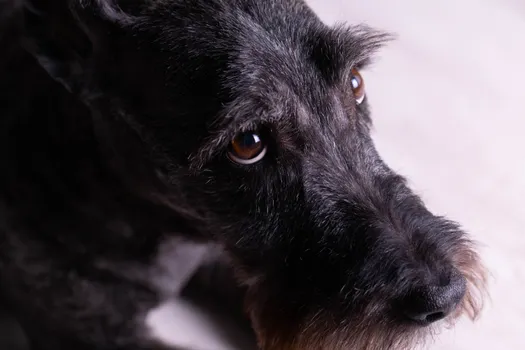
Powerful German working schnauzer: intelligent, loyal, protective, and demanding of structure, training, and serious daily work.
Compare & learn more
Head-to-head comparisons
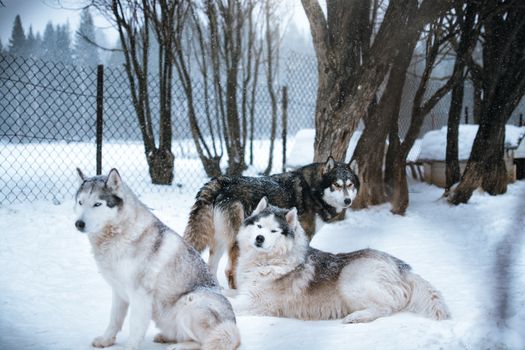
How important is shedding when choosing a breed?
Help improve PupWiki with one quick anonymous answer.
Find my breed match →