
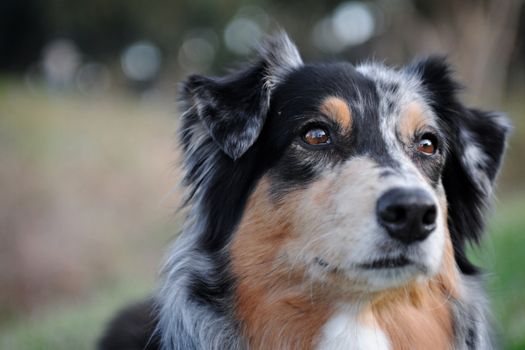
Australian Shepherd
Agile stock dog bred for all-day work; sharp-minded and happiest with a job or intense play.
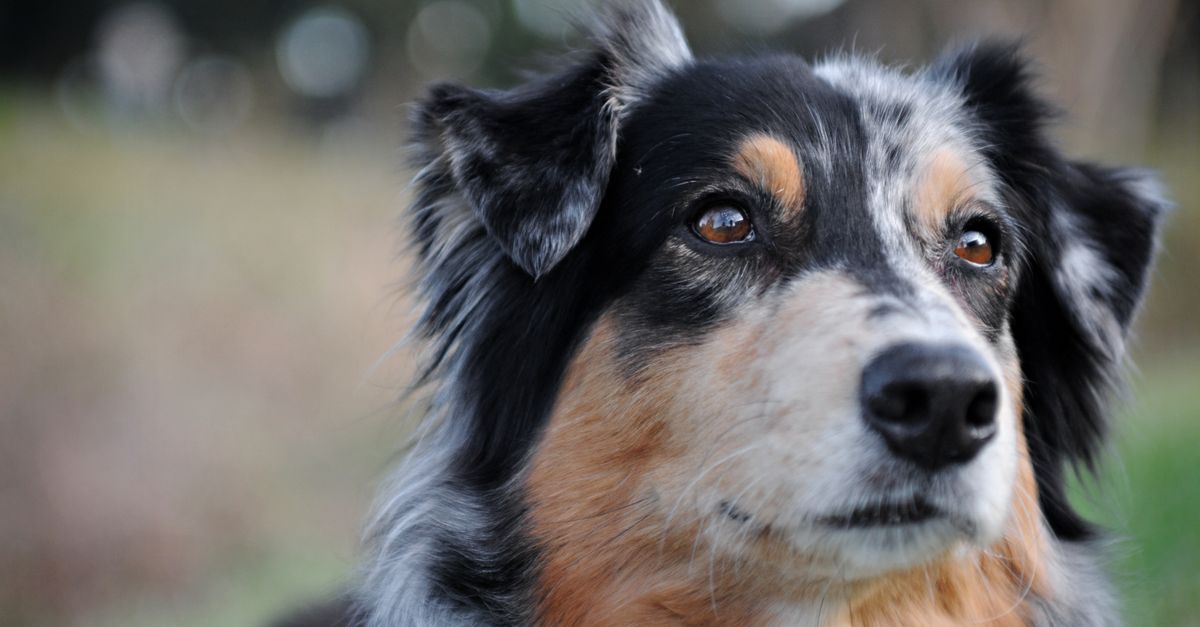
Photo by DΛVΞ GΛRCIΛ on Pexels
Quick facts: Australian Shepherd
- Size
- Medium
- Weight
- 22.7–29.5 kg
- Origin
- United States
- Life span
- 12–15 years
- Temperament
- Smart, energetic, devoted, work-driven
- Energy level
- Very‑high
- Grooming needs
- Medium
- Trainability
- Low
- Apartment fit
- Very‑low
- Typical annual cost
- ~$2,200
Is the Australian Shepherd right for you?
Best for
- Very active owners or athletes
- Those interested in agility, herding sports, or dog sports
- Experienced owners who enjoy training and stimulation challenges
Not ideal if
- Apartment living or low-activity households
- Owners away for long hours — high separation anxiety risk
- First-time owners or those unable to provide 2+ hours of daily stimulation
An elite working breed for active owners — not suited to low-energy households or long alone time.
Trait snapshot
Australian Shepherd is part of the Herding Group — see group tendencies →
What owners actually say
Aussie owners describe extraordinary connection and extraordinary demands — this breed needs a true working-dog lifestyle, not just high energy.
- Energy
Physical exercise alone isn't enough. Owners consistently say that mental stimulation through training, agility, or working tasks is just as important as physical activity — an under-stimulated Aussie doesn't just nap more, it develops obsessive or destructive behaviours: herding cars, spinning, shadow-chasing.
- Health reality
MDR1 genetic testing is non-negotiable for this breed. Owners who discovered their dog was affected after an adverse drug reaction describe it as one of the most frightening experiences of ownership. The test is inexpensive and done once — share the result with your vet before any treatment.
- General
The herding instinct is real and active at home — nipping at children's heels, blocking paths, circling other pets. It is breed behaviour, not aggression, and is manageable with early consistent training and clear boundaries.
- Alone time
Australian Shepherds are bonding, people-oriented dogs that handle isolation poorly. Full working-day absences without enrichment, exercise, or a companion animal regularly produce destroyed interiors and anxious dogs. Remote workers or households with someone usually home describe far better outcomes.
- Training
The most rewarding training relationship most owners have had. Responsive, driven, and capable of learning tasks impossible for most breeds. Owners who channel this into agility, obedience, or herding trials describe the experience as transformative for both dog and owner.
- General
Coat colours (merle, tri-colour, black, red) and striking heterochromia are part of the initial appeal for many owners. One key breeder question: confirm neither parent is merle-to-merle breeding — double merle dogs face high risk of blindness and deafness.
Editorial summary based on owner accounts and breed community feedback.
Cost snapshot
Range $1,400–$3,800
Range $2,500–$7,500
After first year
Annual breakdown
Assumptions used:
- Medium breed food
- Regular brushing (double coat)
- High activity — enrichment and training costs
Last reviewed: 2026-06-20
Read full methodology →Health watchlist
Health information is educational only. Always consult your veterinarian.
MDR1/ABCB1 drug sensitivity
Many Australian Shepherds carry a mutation causing severe reactions to certain drugs (ivermectin, loperamide, and others). DNA testing before any medication is strongly recommended. Consult your vet for guidance specific to your dog.
Eye conditions (CEA, PRA)
Collie Eye Anomaly and Progressive Retinal Atrophy are hereditary. CAER exams and DNA testing are standard for responsible breeders. Consult your vet for guidance specific to your dog.
Hip dysplasia
Screen parents with OFA certification. Weight management supports joint health throughout life. Consult your vet for guidance specific to your dog.
MDR1 gene mutation
Common in the breed; causes drug sensitivity to ivermectin and other medications. DNA testing is strongly recommended. Consult your vet for guidance specific to your dog.
Epilepsy
Idiopathic epilepsy occurs at above-average rates. Learn to recognise seizure signs and keep a log for your vet. Consult your vet for guidance specific to your dog.
Check your fit
Answer a few questions to see how a Australian Shepherd fits your household.
Frequently asked questions
Are Australian Shepherds good for active people?
Can Australian Shepherds live in apartments?
What is MDR1 drug sensitivity in Australian Shepherds?
How much mental stimulation does an Australian Shepherd need?
How much does it cost to own a Australian Shepherd?
What health problems are Australian Shepherds prone to?
How much grooming does a Australian Shepherd need?
Are Australian Shepherds easy to train?
Are Australian Shepherds good for first-time owners?
Tools for Australian Shepherd owners
Similar breeds to the Australian Shepherd
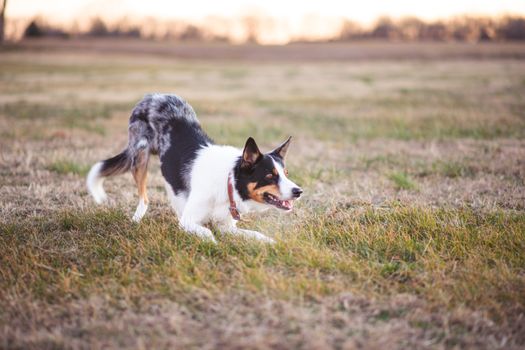
Widely regarded as the world's most intelligent breed; an elite herding dog built for relentless work and intense mental engagement.
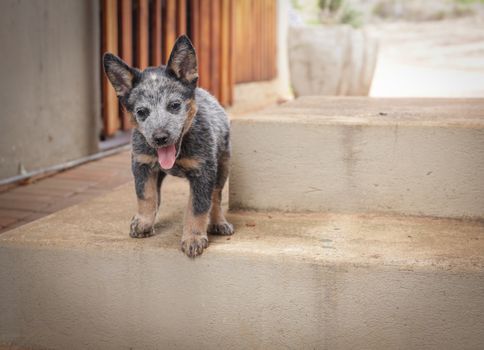
Exceptionally intelligent Australian herding breed — also known as the Blue Heeler — bred for relentless stamina and independent problem-solving; thrives in working or dog-sport households but becomes destructive and neurotic without sufficient daily challenge.
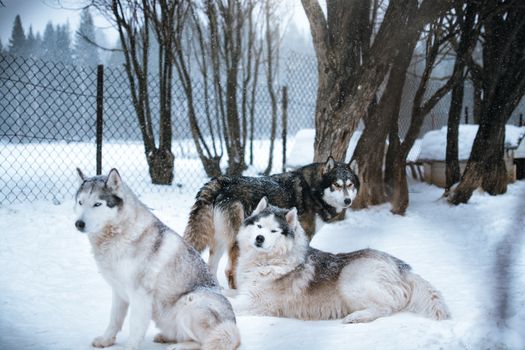
Endurance sled dog from Siberia; athletic, mischievous, and demanding of experienced active owners.
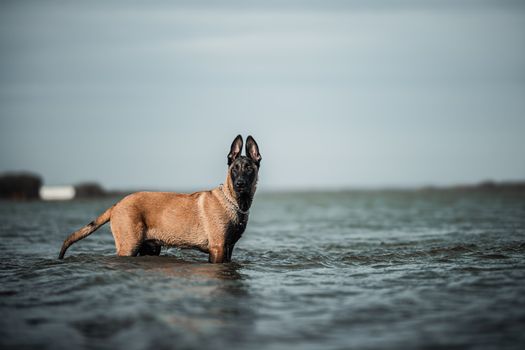
Highly intelligent Belgian herding breed favoured by military and police forces worldwide for its extraordinary trainability and relentless work drive; athletic, loyal, and capable of elite performance — but genuinely unsuitable for inexperienced or sedentary owners.
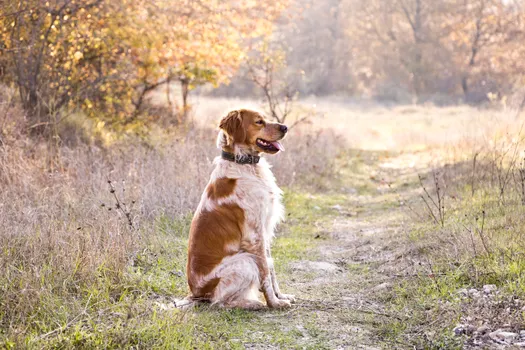
Agile, compact sporting dog with intense field drive, cheerful trainability, and a real need for daily exercise.
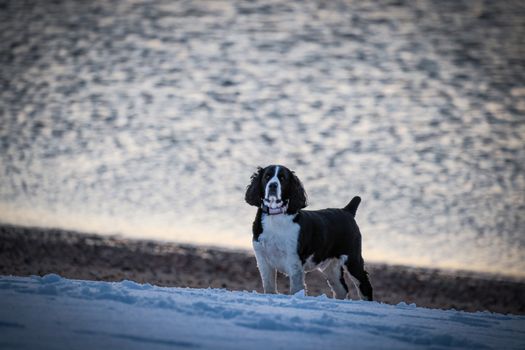
Energetic sporting spaniel bred for flushing and retrieving game; highly trainable, enthusiastic, and family-oriented.
Compare & learn more
Head-to-head comparisons
Relevant guides
What would help you avoid choosing the wrong breed?
Help improve PupWiki with one quick anonymous answer.
Find my breed match →