
Toy Fox Terrier
Compact, athletic, and deeply loyal, the Toy Fox Terrier packs genuine terrier tenacity and trainability into a tiny frame — an alert, lively companion that thrives on interaction and play.

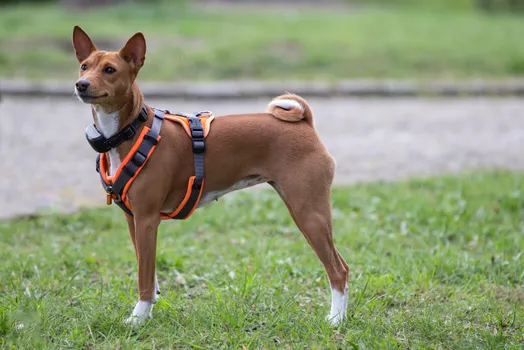
Photo by German Suarez on Pexels
Quick facts: Toy Fox Terrier
- Size
- Toy
- Weight
- 1.8–3.2 kg
- Origin
- USA
- Life span
- 13–15 years
- Temperament
- Loyal, playful, alert, intelligent
- Energy level
- High
- Grooming needs
- Very‑low
- Trainability
- Low
- Apartment fit
- Very‑high
- Typical annual cost
- ~$1,600
Is the Toy Fox Terrier right for you?
Best for
- Apartment and small-home owners wanting an active, bright companion
- Owners who enjoy training and want a toy breed that responds well
- Adults and older children who can handle a lively, confident small dog
- Those wanting minimal grooming with high engagement
Not ideal if
- Households with very young children — small size makes accidental injury a risk
- Owners seeking a quiet, placid dog — this breed is vocal and alert
- Those who cannot provide regular daily activity and mental stimulation
- Cold-climate owners without indoor exercise options
An energetic, low-maintenance toy breed with real trainability — suits active small-space owners but needs supervision around very young children.
Trait snapshot
Toy Fox Terrier is part of the Toy Group — see group tendencies →
What owners actually say
Toy Fox Terrier owners describe a compact dog with an outsized personality — quick, alert, and deeply bonded to their family, with a terrier's confidence and athletic ability that consistently surprises people expecting a lap dog.
- General
This is not a delicate lap dog. Owners emphasise that the Toy Fox Terrier is a proper terrier that happens to be small — athletic, curious, and very much in charge of the house if allowed to be.
- Training
Surprisingly trainable. Owners describe a quick, intelligent dog that enjoys learning and picks up tricks fast. Positive training with games and play works well; the terrier independence shows mainly when motivation is low.
- Alone time
Can be vocal and anxious when left alone without adequate exercise. Owners describe this as manageable with a good morning session and enrichment — but a Toy Fox Terrier left in a quiet house all day will find its own entertainment.
- General
Cold sensitivity is real. Owners in cooler climates describe the dog as visibly uncomfortable in low temperatures and requiring a coat for outdoor time in winter.
- Apartment life
Well-suited to apartment life for owners who can provide daily active exercise. Their small size means they need little indoor space, but the energy level means a short walk around the block is not sufficient.
- Health reality
Patellar luxation and Legg-Calve-Perthes disease are more common in this tiny breed than owners anticipate. The small body size means even minor joint issues can significantly affect mobility.
Editorial summary. Phase 3 will add structured owner survey data.
Cost snapshot
Range $900–$2,800
Range $1,900–$5,500
After first year
Annual breakdown
Assumptions used:
- Very low grooming costs
- Toy breed metabolism — small food portions
Last reviewed: 2026-06-20
Read full methodology →Health watchlist
Health information is educational only. Always consult your veterinarian.
Patellar luxation
Luxating patellas are among the most common orthopedic issues in toy breeds, including the Toy Fox Terrier. Severity ranges from occasional skipping to persistent lameness requiring surgical correction. Responsible breeders screen parent dogs through OFA. Consult your vet.
Legg-Calve-Perthes disease
This condition involves degeneration of the femoral head and is more prevalent in toy and small breeds. It typically presents in young dogs (under 18 months) as progressive hind-limb lameness and is treated surgically in most cases. Consult your vet.
Demodicosis (Demodex mange)
Generalised demodicosis, caused by an overgrowth of Demodex mites, can occur in genetically predisposed individuals. Localised cases often resolve without treatment, but widespread mange requires veterinary management. Consult your vet.
Dental disease
Tiny jaw makes dental crowding and periodontal disease very common. Regular brushing and professional cleanings are essential. Consult your vet for guidance specific to your dog.
Allergies
Skin and food allergies can occur. Watch for persistent scratching or digestive issues. Consult your vet for guidance specific to your dog.
Check your fit
Answer a few questions to see how a Toy Fox Terrier fits your household.
Frequently asked questions
Are Toy Fox Terriers easy to train?
Are Toy Fox Terriers good for apartments?
How much exercise does a Toy Fox Terrier need?
Do Toy Fox Terriers get along with other pets?
How much does it cost to own a Toy Fox Terrier?
What health problems are Toy Fox Terriers prone to?
How much grooming does a Toy Fox Terrier need?
Are Toy Fox Terriers good for first-time owners?
How long do Toy Fox Terriers live?
Tools for Toy Fox Terrier owners
Similar breeds to the Toy Fox Terrier
Compact African hunting hound famous for its quiet, yodel-like voice, catlike cleanliness, and independent mind.

Compact companion nicknamed the American Gentleman; lively yet mannerly with minimal grooming needs.

Elegant miniature sighthound; affectionate, sensitive, and apartment-friendly, but fragile in cold weather and rough handling.

Compact American farm terrier: playful, portable, prey-driven, and much more athletic than its size suggests.

World's smallest breed; fiercely loyal and bold in personality, ideal for city living but requires careful socialisation and cold-weather management.

Tiny toy spaniel with butterfly ears, big athleticism, and standout trainability in a delicate package.
Compare & learn more
Head-to-head comparisons


Relevant guides
How important is shedding when choosing a breed?
Help improve PupWiki with one quick anonymous answer.
Find my breed match →