

Dog size is the single variable that most directly affects your daily logistics — how much space the dog occupies, what it costs to feed and medicate, where you can travel together, and how you physically handle the animal. Yet size is often treated as an aesthetic preference rather than a lifestyle constraint. This guide maps all five standard size categories against eight practical factors so you can evaluate size as the operational decision it actually is.
The five size classes compared
The table below summarises the key lifestyle differences across size classes. Use it as a starting point, then read the detailed sections below for the nuances that a table cannot capture.
| Size class | Weight range | Example breeds | Daily food cost | Annual vet baseline | Exercise | Typical lifespan | Housing fit | Travel |
|---|---|---|---|---|---|---|---|---|
| Toy | Under 10 lb (4.5 kg) | Chihuahua, Yorkshire Terrier, Pomeranian | $0.50-$1.50 | $250-$500 | 20-30 min | 12-18 years | Any size home; apartment-ideal | In-cabin airline; easy car travel |
| Small | 10-25 lb (4.5-11 kg) | Beagle, Cavalier KCS, Miniature Poodle | $1.00-$2.50 | $350-$650 | 30-60 min | 12-16 years | Any size home; apartment-friendly | In-cabin airline (if under 20 lb); flexible car |
| Medium | 25-55 lb (11-25 kg) | Border Collie, Cocker Spaniel, Whippet | $1.50-$3.50 | $400-$800 | 45-90 min | 10-14 years | House or larger apartment with outdoor access | Cargo hold or car; some hotels restrict |
| Large | 55-90 lb (25-41 kg) | Labrador Retriever, Golden Retriever, German Shepherd | $2.50-$5.00 | $500-$1,000 | 60-120 min | 9-13 years | House with yard preferred; tight in small apartments | Cargo hold or large car/SUV; hotel limits common |
| Giant | Over 90 lb (41 kg) | Great Dane, Saint Bernard, Mastiff | $4.00-$8.00+ | $600-$1,400+ | 30-60 min | 6-10 years | Spacious home; gardens strongly preferred | Car/SUV only; many airlines refuse; hotel bans common |
These ranges represent typical US costs for quality commercial diets and routine preventive veterinary care. Actual costs vary by region, brand choices, and individual health. Use the Dog Cost Calculator for breed-specific projections.
Toy dogs: the logistics of going small
Toy breeds (under 10 lb) excel in portability and fit into nearly any living situation. A Chihuahua can exercise meaningfully in a living room, travel in a handbag-style carrier, and costs less per month to feed than most people spend on coffee. But small size introduces its own set of complications.
Where toy breeds shine
- Apartment suitability is excellent — no weight restrictions, minimal space footprint, and lower noise concerns (though some toy breeds bark frequently).
- Travel flexibility is unmatched: in-cabin airline approval, any size car, welcome at most hotels.
- Longest average lifespans of any size class — 12 to 18 years means more years of companionship per dollar invested.
- Lower ongoing costs across food, medication dosing, grooming, and boarding.
Where toy breeds struggle
- Fragility: Bones break from falls off furniture. Toy puppies are vulnerable to being stepped on, sat on, or injured by young children. This is a serious safety consideration for households with toddlers.
- Dental disease: Small mouths mean crowded teeth and disproportionately high rates of periodontal disease. Budget for professional dental cleanings — often $300-$600 per session — starting as early as age 2-3.
- Temperature sensitivity: Low body mass means toy breeds lose heat rapidly. Many need coats in winter and cannot tolerate extended cold exposure.
- Predator risk: In areas with coyotes, hawks, or large off-lead dogs, toy breeds face genuine predation risk outdoors.
Small dogs: the practical middle-lower range
Small breeds (10-25 lb) offer much of the portability of toy breeds with somewhat less fragility. A Cavalier King Charles Spaniel or Miniature Schnauzer is small enough for most apartments and many airline cabins, but robust enough for moderate hiking and play with older children.
The 20 lb boundary matters more than most people realise. Below 20 lb, most airlines allow in-cabin travel. Above 20 lb, your options drop sharply. If you travel frequently by air and want to bring your dog, this threshold should influence your breed choice more than almost any other factor.
Small breeds span an enormous range of energy levels and temperaments. A Beagle at 22 lb needs significantly more exercise and mental stimulation than a Shih Tzu at 12 lb. Do not assume that all small dogs are low-effort — some of the most demanding breeds in terms of daily exercise and training are in this size class.
Medium dogs: the broadest category
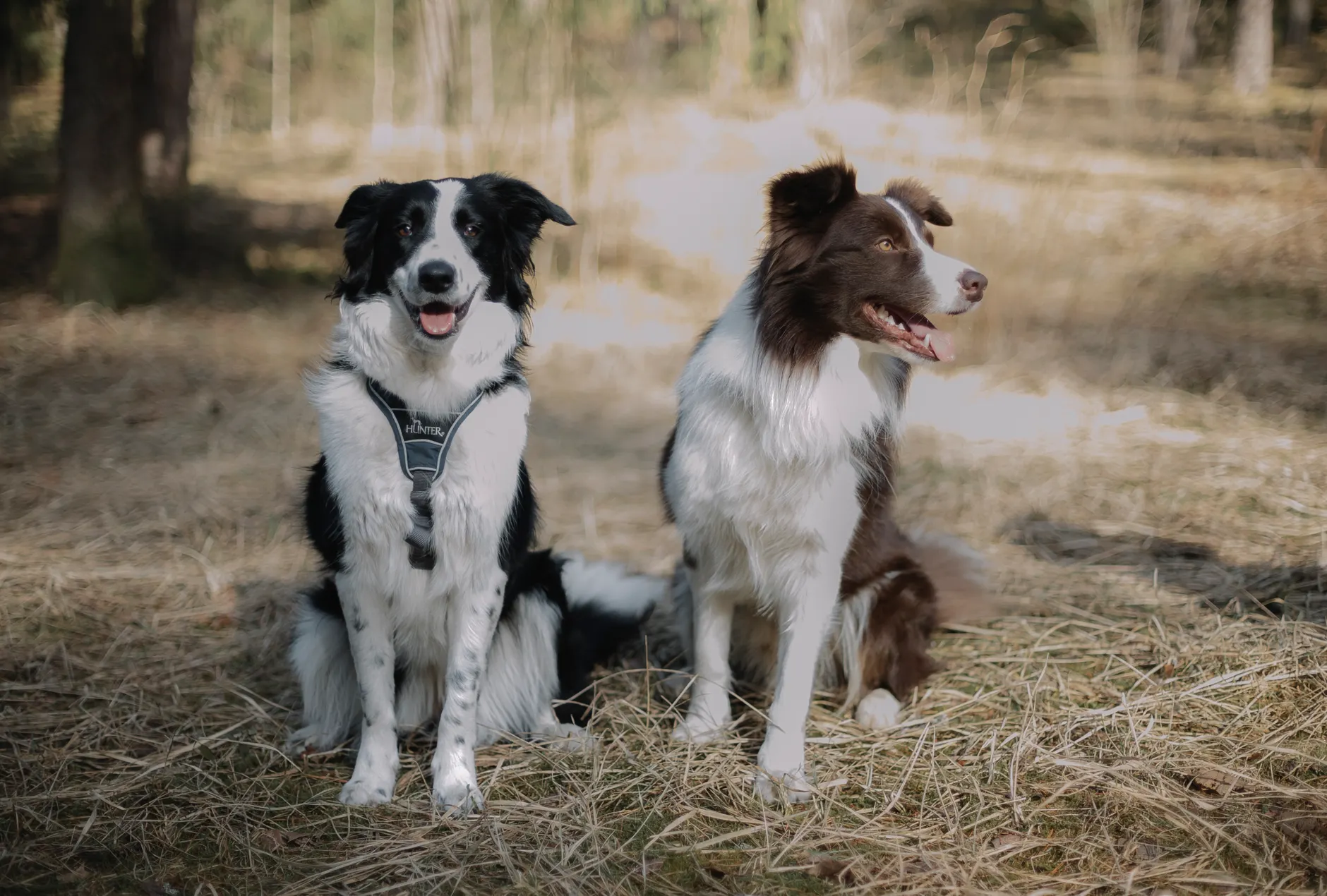
Medium breeds (25-55 lb) are the most diverse size class and the one most often recommended as a "safe bet." They avoid the fragility of toy breeds, the space demands of giants, and fit into most housing situations. But calling medium dogs a compromise understates how varied this category is.
A 30 lb Whippet and a 50 lb Australian Cattle Dog are both "medium" but could not be more different in daily demands. The Whippet is a calm indoor companion that sprints in short bursts; the Cattle Dog is a tireless working animal that needs structured physical and mental activity for hours each day. Medium is a size descriptor, not a lifestyle descriptor.
From a cost perspective, medium breeds sit at the inflection point where expenses begin to feel substantial without being extreme. Monthly food costs of $45-$105, annual vet baselines of $400-$800, and crate sizes that take up a meaningful corner of a room. They are the size class where financial planning starts to matter but does not yet dominate the ownership experience.
Large dogs: where costs and logistics scale up
Large breeds (55-90 lb) represent the point where dog ownership becomes a significant logistical and financial commitment. A Labrador Retriever, Golden Retriever, or German Shepherd demands meaningful daily exercise, occupies real space in a home, and generates costs that compound over years.
The cost escalation
- Food: $75-$150 per month for quality kibble. Premium or raw diets can double this.
- Medications: Flea/tick/heartworm preventatives are dosed by weight. A large dog's monthly preventative costs 2-3 times more than a small dog's.
- Surgery: An ACL repair on a Labrador typically costs $3,000-$6,000. The same procedure on a small breed costs $1,500-$3,000. Anaesthesia, implant size, and surgical time all scale with weight.
- Grooming: Professional grooming for a double-coated large breed (Golden Retriever, Bernese Mountain Dog) can cost $80-$150 per session.
The handling reality
A strong, untrained large dog can pull an adult off balance on a lead. An excited 80 lb Labrador greeting a toddler or elderly person can cause real injury without any aggression involved. If a large dog is injured and cannot walk, you need to be able to carry or transport an animal that weighs more than many adults can comfortably lift. These are not theoretical concerns — they are daily realities that shape how you walk, socialise, and care for the dog.
Giant dogs: the short, expensive commitment
Giant breeds (over 90 lb) are the most misunderstood size class. People are drawn to their imposing presence and often gentle temperaments, but the practical realities of owning a Great Dane, Saint Bernard, or English Mastiff go well beyond "need a big house."
The lifespan equation
Giant breeds live an average of 6-10 years — roughly half the lifespan of toy breeds. This means you are compressing a full dog ownership experience into fewer years, at higher cost per year. The emotional impact of losing a dog at age 7 is something prospective giant breed owners rarely prepare for. Factor in that many giant breeds develop age-related health issues (arthritis, heart disease, cancer) by age 5-6, and you may have only 3-4 years of prime health with your dog.
The space and equipment reality
- A giant breed crate is the size of a small sofa and dominates any room it occupies.
- Standard car boot space is often insufficient — giant breed owners frequently need SUVs or estate cars with reinforced crate setups.
- Beds, bowls, harnesses, and toys all cost more in XXL sizes. Elevated feeders may be needed to reduce bloat risk.
- Furniture damage from a 130 lb dog is on a different scale — a Great Dane's tail sweeps a dining table clear.
The health cost concentration
Giant breeds are disproportionately affected by bloat (gastric dilatation-volvulus), hip and elbow dysplasia, osteochondritis, and dilated cardiomyopathy. Emergency surgery for bloat alone can cost $3,000-$7,500. Insurance premiums for giant breeds reflect these risks — expect to pay 40-80% more than the same policy for a medium breed. Use the Dog Insurance Cost Estimator to see how these factors affect premiums for specific breeds.
Size myths debunked
Several persistent beliefs about dog size do not hold up under scrutiny. Understanding these can prevent a poor breed match.
"Big dogs need big yards"
A Greyhound — one of the largest sighthound breeds — is famously content in a small apartment because it is a low-energy dog that sprints in short bursts and then sleeps for hours. Meanwhile, a 15 lb Jack Russell Terrier with a big yard will still destroy your furniture if it does not get sufficient structured exercise and mental stimulation. Yard size matters far less than exercise commitment and the dog's indoor energy level.
"Small dogs are easier"
Small dogs are easier to physically manage, but many small breeds are among the most behaviourally challenging to live with. Dachshunds are stubborn and difficult to housetrain. Chihuahuas can develop fear-based reactivity without proper socialisation. Jack Russell Terriers have energy levels that rival any sporting breed. Physical manageability is not the same as ease of ownership.
"Giant dogs eat you out of house and home"
Giant breeds do eat more — but their lower exercise needs (compared to high-energy large breeds) mean some costs balance out. A Great Dane's food bill is higher than a Border Collie's, but the Border Collie may need professional doggy daycare three times a week to burn energy while you work — an expense that can exceed the Dane's food surplus. Total cost of ownership is more nuanced than food cost alone.
"Medium dogs live as long as small dogs"
Medium breeds do live longer than large and giant breeds on average, but the gap between small and medium is real: small breeds average 12-16 years; medium breeds average 10-14 years. The two-year difference at the top end may not seem large, but it represents 15-20% more time with your dog — and potentially $3,000-$7,000 in additional lifetime costs.
Matching size to your constraints
Rather than picking a size and then finding a breed, work backwards from your hard constraints. These are the factors that should eliminate size classes before temperament and breed preference enter the picture.
| Your situation | Best size fit | Why |
|---|---|---|
| Apartment with weight restriction | Toy or Small | Verify the exact weight limit; many buildings set 25 lb or 50 lb caps |
| Family with children under 5 | Medium or Large | Robust enough for toddler interactions; avoid toy breeds (fragility risk) and giant breeds (knockdown risk) |
| Active couple, no children | Medium to Large | Can match high exercise capacity; giant breeds work if space and budget allow |
| Senior or limited mobility | Small to Medium | Manageable on a lead; liftable in an emergency; moderate exercise needs |
| Frequent air traveller | Toy or Small (under 20 lb) | In-cabin airline eligibility; this constraint overrides most other preferences |
| Budget under $1,500/year | Toy or Small | Lower food, medication, and grooming costs keep annual spend within reach |
| Rural property with acreage | Any — focus on temperament | Space constraints are removed; breed purpose and energy become the primary factors |
The Dog Breed Selector Quiz factors in home size, activity level, household composition, and budget to generate breed matches personalised to your situation — not just your size preference.
The bottom line
Dog size is not a cosmetic preference — it is a logistical, financial, and safety variable that shapes every aspect of daily ownership. The best approach is to identify your hard constraints first (housing limits, travel needs, physical capability, budget ceiling), eliminate the size classes that do not fit, and then explore breeds within the remaining range based on temperament, energy, and health profile. Size narrows the field; everything else determines the match.

Frequently asked questions
- What are the standard dog size categories and their weight ranges?
- The five widely used size categories are: toy (under 10 lb / 4.5 kg), small (10-25 lb / 4.5-11 kg), medium (25-55 lb / 11-25 kg), large (55-90 lb / 25-41 kg), and giant (over 90 lb / 41 kg). Breed registries vary slightly on exact boundaries, and some breeds straddle two categories depending on sex and individual variation. Adult weight is the standard metric, though height at the withers is sometimes used alongside it.
- Do larger dogs always cost more to own than smaller dogs?
- In most recurring expense categories, yes. Food costs scale roughly with body weight — a Great Dane may eat four to six times more than a Chihuahua per month. Veterinary procedures (anaesthesia, medications, surgery) are dosed by weight, so costs increase proportionally. Grooming services charge more for larger dogs. However, purchase price does not correlate with size — many toy breeds cost more upfront than large breeds. Pet insurance premiums depend more on breed health risk than on size alone.
- Are small dogs easier to manage in apartments?
- Not necessarily. Size alone is a poor predictor of apartment suitability. A calm large breed like a Greyhound or Basset Hound can be a better apartment dog than a high-energy small breed like a Jack Russell Terrier. The traits that matter more are indoor energy level, barking tendency, and whether the dog settles well between walks. That said, practical logistics — carrying the dog up stairs, fitting in a small lift, managing limited floor space — do favour smaller dogs in compact urban apartments.
- How does dog size affect air travel and hotel accommodation?
- Size creates hard boundaries for travel. Most airlines allow dogs under 20 lb (9 kg) in-cabin in an approved carrier under the seat. Dogs between 20-100 lb typically must travel in the cargo hold, which many owners and veterinarians prefer to avoid. Dogs over 100 lb may be refused by some airlines entirely. Hotels and rental properties often impose weight limits of 50 lb or 75 lb, significantly reducing accommodation options for large and giant breed owners.
- Is a medium-sized dog the best compromise for most households?
- Medium dogs (25-55 lb) avoid the fragility concerns of toy breeds and the space and cost demands of giant breeds. They are large enough for hiking and rough play but small enough for most housing situations and car travel. However, "medium" covers enormous temperament diversity — a calm Basset Hound and a high-drive Australian Cattle Dog are both medium-sized but demand completely different lifestyles. Size is one variable among many, and medium is not automatically the right answer.
- Do giant dogs have shorter lifespans than small dogs?
- On average, yes. Giant breeds (Great Dane, Irish Wolfhound, Saint Bernard, Mastiff) typically live 6-10 years, while small and toy breeds often reach 12-16 years. The biological mechanism is not fully understood, but larger dogs appear to age faster at a cellular level. This is one of the most important and least discussed factors in choosing a giant breed — the emotional and financial commitment per year of life is significantly higher.


