
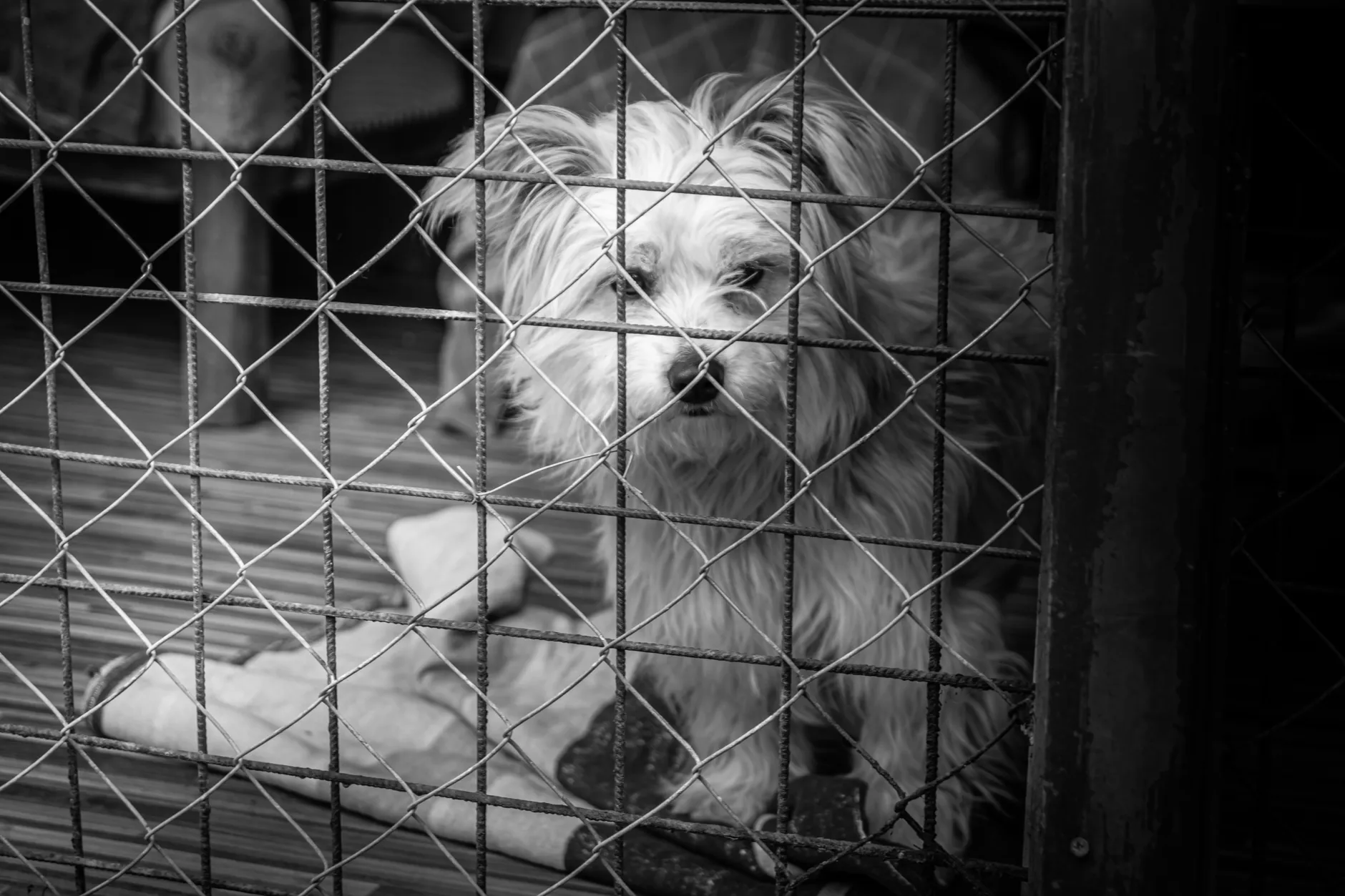
Adopting a rescue or shelter dog is one of the most rewarding ways to bring a dog into your home — and it comes with a different set of expectations than raising a puppy from eight weeks old. Most rescue dogs adjust well and become loving, settled members of the household, but the path there often looks different to what new adopters expect. Knowing what's normal in the first days and weeks makes a huge difference to how that adjustment goes for both of you.
What's different about adopting versus getting a puppy
A rescue dog arrives with a history you usually only know parts of — previous homes, time in a shelter or foster placement, and experiences that shaped how they respond to people, other animals, and new environments. This isn't necessarily a negative: many rescue dogs are already house-trained, past the demanding early puppy stages, and have had time in a foster home where their personality and any specific needs were observed and can be shared with you.
The main adjustment for owners is patience with the unknown. A dog that seems subdued, cautious, or "too good to be true" in the first days is very often decompressing, not revealing their permanent personality — and a dog with a known sensitivity (noise, handling, other dogs) isn't "broken," they simply need a plan that accounts for it.
Before you adopt: questions worth asking
Reputable rescues and shelters welcome these questions and often volunteer the information — being asked is a good sign you're working with an organisation that does thorough assessments:
- What is known about their history? Owner-surrender, stray, or transferred from another shelter — and any known information about previous homes or behaviour around children, other dogs, or specific situations.
- Has the dog been in a foster home? Foster carers often have far more useful day-to-day information (house-training, behaviour around food, response to being left alone) than a shelter environment can reveal.
- What is the medical history? Vaccination status, spay/neuter status, any known medical conditions, and the dog's approximate age.
- What is the return or trial policy? Most reputable rescues have a process for returns if a placement genuinely isn't working — knowing this in advance reduces pressure to make a permanent decision before you've had time to adjust.
- Has the dog shown any resource guarding, fear-based reactivity, or bite history? This isn't a reason to automatically rule a dog out, but it is essential information for deciding whether your household (especially with children or other pets) is the right match, and for planning support from day one.
The first few days and weeks: the "3-3-3" timeline
A widely used (and approximate) framework for what to expect:
- The first 3 days — decompression. Many dogs are withdrawn, may not eat normally, and may seem either shut down or, conversely, anxious and unsettled. Keep this period low-key: minimal visitors, no big outings, and a quiet space the dog can retreat to. Don't be discouraged if your dog seems "different" from how they were described in foster — overwhelm looks different from a relaxed foster home.
- The first 3 weeks — learning the routine. This is when house-training, a consistent daily schedule (feeding times, walk times, bedtime), and basic household boundaries should be introduced. Consistency now establishes the patterns your dog will rely on.
- The first 3 months — settling in. Trust deepens, your dog's real personality and preferences become clearer, and most behaviours that were adjustment-related (hovering, clinginess, mild house-training lapses) resolve as confidence builds.
These are rough guides, not deadlines — a dog with a more difficult history may take considerably longer at each stage, and that's normal too.
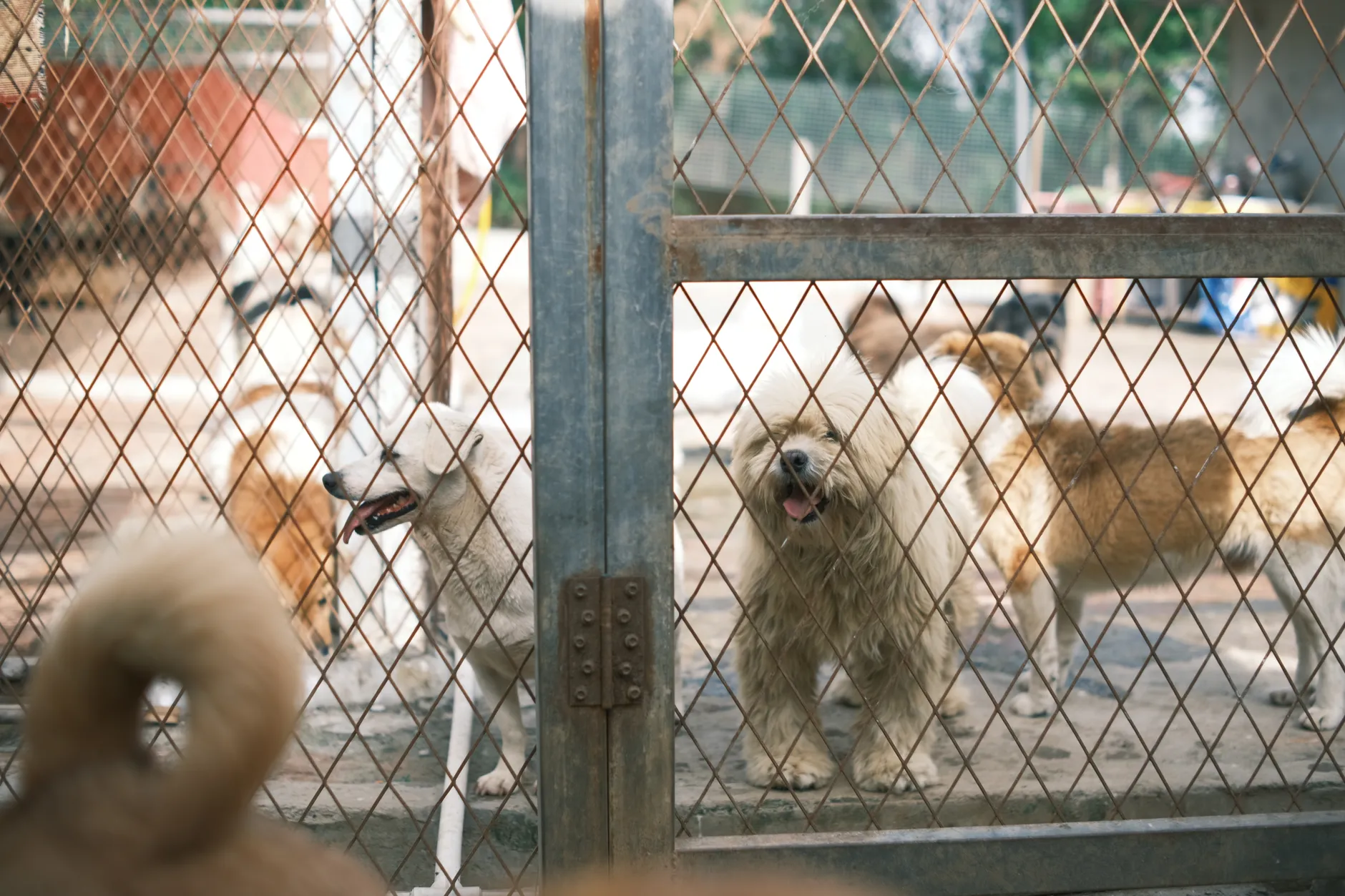
Common early challenges and how to handle them
- House-training regression or accidents. Even a previously house-trained dog may have accidents in a brand-new environment with unfamiliar smells and routines. Treat it as a fresh start: frequent opportunities to go outside, praise for success, and no punishment for accidents — punishment after the fact teaches nothing and can add anxiety to an already stressful transition.
- Resource guarding around food or toys. Some dogs with a history of food scarcity or competition guard resources more than dogs with no such history. Feed in a separate, quiet space initially, avoid reaching for food or toys while the dog is eating or chewing, and see our dog behaviour problems guide for a step-by-step approach to mild resource guarding.
- Separation-related distress. Newly adopted dogs are at higher risk of separation anxiety, partly because the loss of previous attachments and the uncertainty of a new home can heighten attachment to new owners. Build up alone time gradually from day one rather than assuming a dog will be fine being left for a full day immediately — see our managing dog separation anxiety guide for a structured approach.
- Fear of specific triggers. A dog that reacts strongly to a specific type of person, object, or sound may have a history involving that trigger — but it's just as often simply a lack of prior exposure. Either way, the approach is the same: avoid forcing exposure, and use gradual desensitisation. Our dog anxiety and fear guide covers this in detail.
Building trust without forcing it
The single most useful principle in the early weeks is letting your dog set the pace of interaction wherever possible:
- Let your dog approach you rather than reaching toward or looming over them, especially in the first days
- Avoid prolonged direct eye contact and face-to-face greetings, which many dogs find confrontational
- Establish a predictable daily routine as early as possible — predictability reduces anxiety more than almost anything else
- Use food and calm, positive interactions to build associations with you and the new environment, without forcing physical contact
- Introduce new experiences (other pets, visitors, new places) one at a time and gradually, rather than all at once in the excitement of the first weekend
When to get professional help early
Most adjustment challenges resolve with time, patience, and consistency. Involve a certified trainer or veterinary behaviourist sooner rather than later if you notice:
- Growling, snapping, or other defensive aggression directed at people or other pets in the home
- Severe, persistent fear that does not begin to ease after the initial decompression period
- Self-injurious behaviour related to distress when left alone
- Any bite, even a minor one — early professional input is far easier than addressing an established pattern
Getting support early is not a sign that the adoption is failing — it's one of the most effective things an adopter can do to set up a long-term, stable placement. Many rescues can also recommend trainers or behaviourists experienced with rescue dogs specifically.
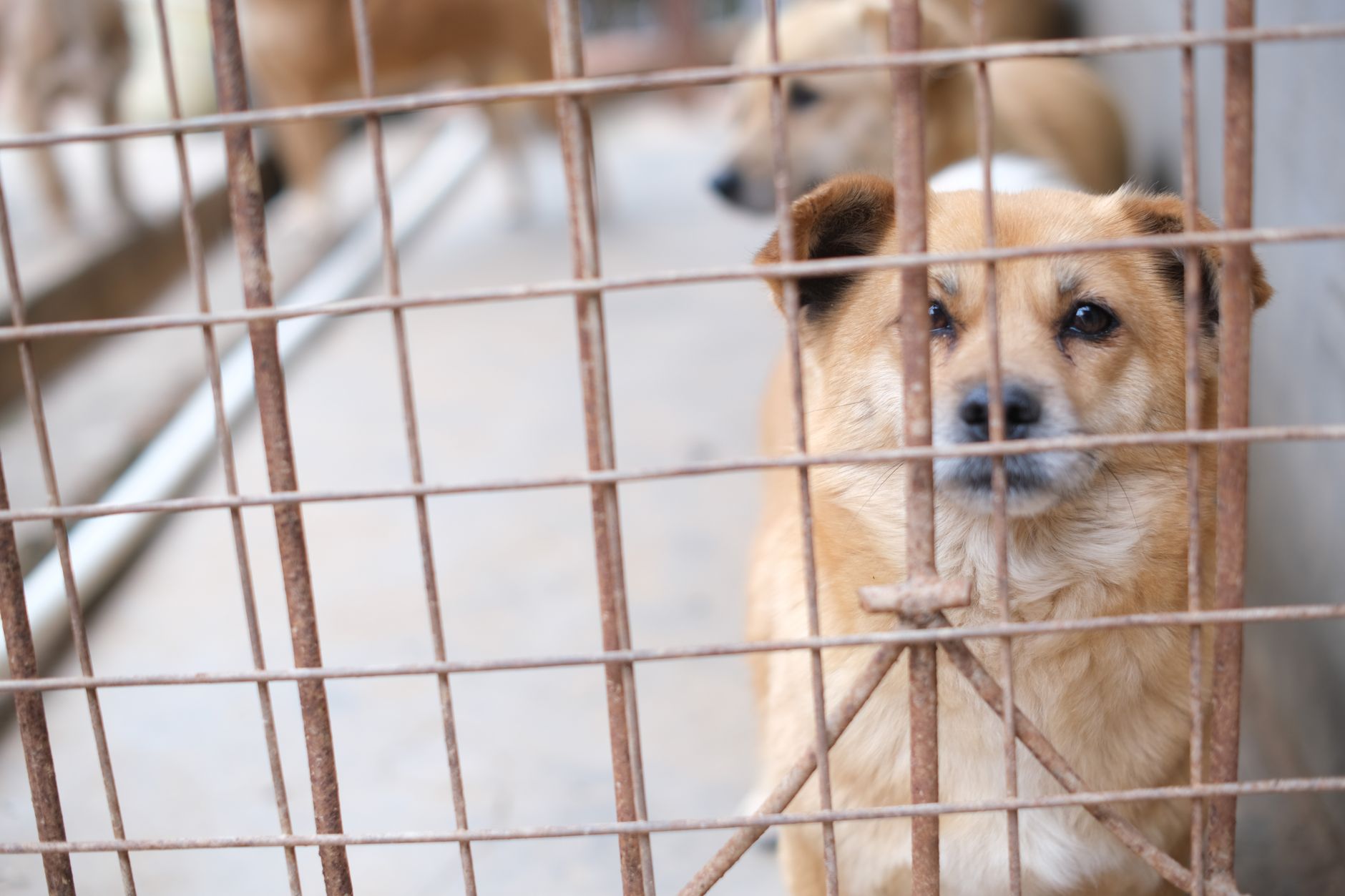
Frequently asked questions
- How long does it take for a rescue dog to settle in?
- A common rule of thumb is "3 days, 3 weeks, 3 months": roughly 3 days to decompress from the move and start to relax, 3 weeks to begin learning your routine and showing more of their real personality, and around 3 months to feel fully settled and bonded. These are rough guides, not guarantees — some dogs settle faster, others take considerably longer, especially dogs with a history of multiple homes or limited socialisation. The key is to keep expectations flexible and avoid judging your dog's "real" personality from the first few days.
- My rescue dog won't eat, hides, or won't come near me — is this normal?
- Yes, this is very common in the first days after adoption. A new home, new people, new smells, and the loss of whatever routine the dog previously had (however imperfect) is overwhelming, and many dogs respond by shutting down rather than acting distressed in obvious ways. Give your dog a quiet, low-traffic space with food, water, and bedding, and let them choose when to engage rather than approaching or coaxing repeatedly. Most dogs begin eating normally and showing more curiosity within a few days. If a dog refuses food entirely for more than 24-48 hours, or shows signs of illness, contact your vet or the rescue organisation.
- Should I return a rescue dog if it isn't working out?
- Reputable rescues and shelters expect some adjustment difficulties and most have a return or "trial period" policy precisely because the first weeks are not representative of how a dog will eventually settle. Before deciding a placement isn't working, talk to the rescue — many behaviour issues that seem alarming in week one (house-training accidents, hiding, mild resource guarding) are normal adjustment behaviours that improve significantly with time and consistency. That said, if there are safety concerns (aggression toward people or other pets in the home) that the rescue cannot help you manage, returning the dog to an organisation equipped to support them is the responsible choice for everyone, including the dog.
- Do older rescue dogs adjust as well as puppies or younger dogs?
- Often, yes — and in some ways adult and senior dogs can be easier. They typically have established bladder control, are past the most demanding puppy stages (chewing, intensive training needs), and many settle into a household routine faster than puppies do once they decompress. The main consideration with older dogs is that any existing habits — good or otherwise — are more established and may take longer to shift, and health screening is more important since age-related conditions are more likely to be present or emerging.
- What is the "3-3-3 rule" for rescue dogs?
- The 3-3-3 rule is a widely used (though approximate) timeline for what to expect after adopting a rescue dog: the first 3 days are typically about decompression — the dog may be withdrawn, anxious, or not eating normally as they adjust to an overwhelming change. The first 3 weeks are about learning the household routine — this is when house-training, basic boundaries, and a daily schedule should be introduced consistently. The first 3 months are about building a real bond and seeing the dog's established personality emerge as they feel secure. It is a helpful framework for setting realistic expectations, not a strict schedule every dog will follow exactly.


