
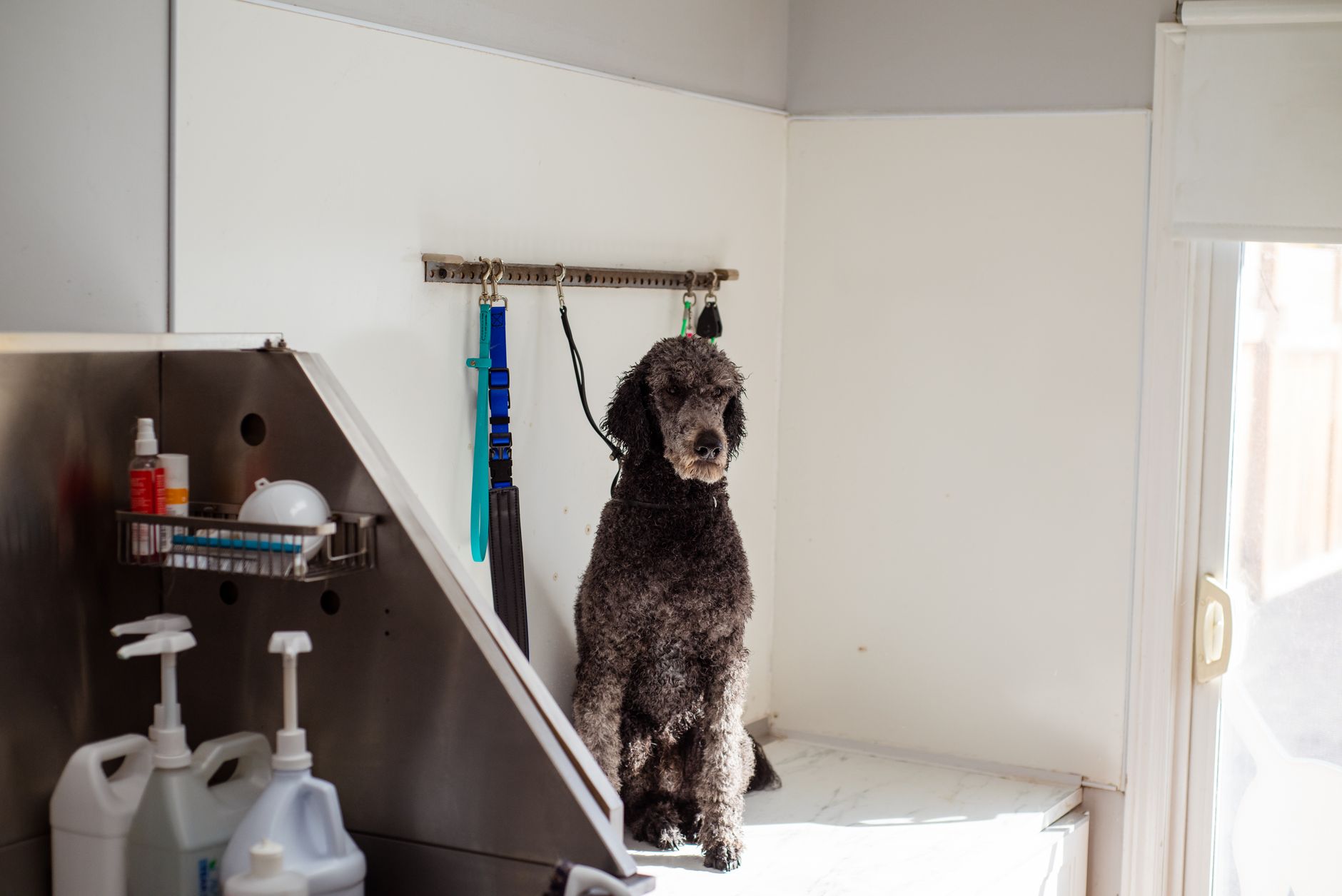
The Truth About "Non-Shedding" Dogs
Every dog sheds. Hair growth has three phases — growth (anagen), transition (catagen), and resting/shedding (telogen) — and all dogs cycle through them. The difference between a "low-shedding" and "high-shedding" breed is not whether they shed, but where the dead hairs go.
High-shedding breeds, especially double-coated breeds, release dead hairs into the environment — onto floors, furniture, clothing, and in the air. Low-shedding breeds retain dead hairs within the coat, where they eventually mat if not removed by brushing and grooming.
This is the trade-off almost no "low-shedding breeds" article mentions: breeds that shed little require significantly more grooming than breeds that shed a lot. A Poodle's coat maintenance costs more in time and money than a Labrador's, despite leaving less hair on your sofa.
Understanding Coat Types
PupWiki's grooming data classifies dog coats into six archetypes. The archetype is the most reliable predictor of shedding and grooming demand:
| Coat archetype | Shedding | Grooming demand | Example breeds |
|---|---|---|---|
| Curly-wavy | Minimal | Very High | Poodle, Bichon Frise, Portuguese Water Dog |
| Long-silky | Very Low | High | Maltese, Shih Tzu, Yorkshire Terrier, Havanese |
| Short-single | Low | Low | Whippet, Greyhound, Boxer, Chihuahua (smooth) |
| Wire-rough | Low-Moderate | Moderate | Airedale Terrier, Border Terrier, Wire Fox Terrier |
| Short-double | High-Very High | Low-Moderate | Labrador Retriever, Beagle, Husky |
| Long-double | Very High | Moderate-High | Golden Retriever, Bernese Mountain Dog, Collie |
Use PupWiki's Grooming Schedule Generator to see a personalised coat archetype assessment, brushing/bathing schedule, and professional grooming interval for any breed.
The 8 Most Genuinely Low-Shedding Breeds
These breeds are chosen for documented low shedding backed by coat archetype data — not marketing claims. All include honest grooming demand information.
Among the lowest-shedding breeds. Dead hairs mat into the coat — professional grooming every 6-8 weeks is essential.
Same coat properties as the Standard Poodle in a smaller package. Equally high grooming requirements.
White double-coat sheds minimally but requires professional grooming every 4-6 weeks and daily brushing to prevent matting.
Long, silky white coat sheds very little but tangles easily. Daily brushing and regular professional grooming required.
Double coat with a silky outer layer. Low-shedding but requires daily brushing or regular professional clips into a shorter "puppy cut".
Silky single coat with minimal shedding. Brushing 3-4 times weekly and occasional professional grooming keeps the coat healthy.
Fine, silky single coat sheds minimally. Grows continuously — needs regular trims or commitment to daily brushing of a long coat.
Curly or wavy single coat, low-shedding. Needs professional grooming every 6-8 weeks. Active breed — needs significant daily exercise.
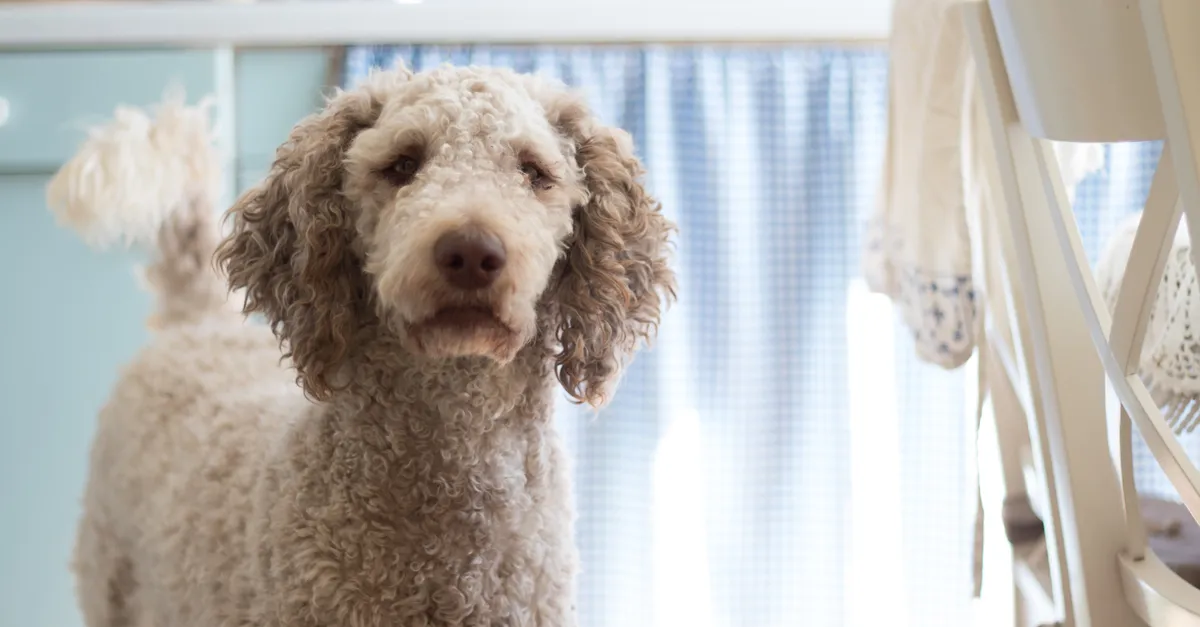
Seasonal Shedding: Double-Coated Breeds
Even among double-coated breeds, there are differences in how much they shed and when. The highest-shedding breeds have significant seasonal "coat blows" in spring and autumn where they lose vast quantities of undercoat. If you love these breeds but struggle with shedding, understanding the seasonal pattern helps you manage it:
| Breed | Coat type | Shedding level |
|---|---|---|
| Labrador Retriever | Short-double | Very High (seasonal blow-out) |
| Golden Retriever | Long-double | Very High (seasonal blow-out) |
| German Shepherd | Short-double | Very High (year-round + seasonal) |
| Siberian Husky | Short-double | Extreme (seasonal blow-out) |
| Bernese Mountain Dog | Long-double | Very High (seasonal blow-out) |
During seasonal coat blows, daily brushing (ideally with an undercoat rake or deshedding tool) can reduce loose hair by 50-80%. Regular baths during blow-out periods also accelerate the process. The Grooming Schedule Generator will flag seasonal step-ups for double-coated breeds automatically.
Low Shedding vs. Hypoallergenic: Two Different Things
"Low-shedding" and "hypoallergenic" are often used interchangeably — incorrectly. The main dog allergen, Can f 1, is a protein found in dog saliva, dander (dead skin cells), and urine — not dog hair itself. Hair merely distributes dander around your environment; low-shedding breeds do this less, which may reduce allergic reactions for some people.
But a low-shedding dog still produces Can f 1 in its saliva and dander. No dog breed has been proven in controlled studies to cause fewer allergic reactions across all allergy sufferers. Individual variation in allergy triggers is enormous.
For a deeper look at the allergen science and what actually reduces reactions in the home, see our guide on hypoallergenic dogs explained.
Managing Shedding for Breeds You Already Love
If you already have or are committed to a high-shedding breed, there are practical strategies to reduce the impact:
- Regular brushing — For double-coated breeds, brushing 3-5 times weekly during peak shedding seasons removes loose hair before it reaches your floor. A slicker brush and undercoat rake are the core tools.
- Professional deshedding treatments — Many groomers offer deshedding baths with specialised shampoos and high-velocity drying that removes 60-80% of loose undercoat in one session. Worth the cost during spring and autumn blow-outs.
- Nutrition — A diet high in omega-3 and omega-6 fatty acids supports coat health and can reduce excessive shedding caused by dry, flaky skin. Talk to your vet before adding supplements.
- Furniture protection — Washable sofa covers and pet-specific blankets are more practical than fighting shedding entirely. Accept some hair as part of life with these breeds.
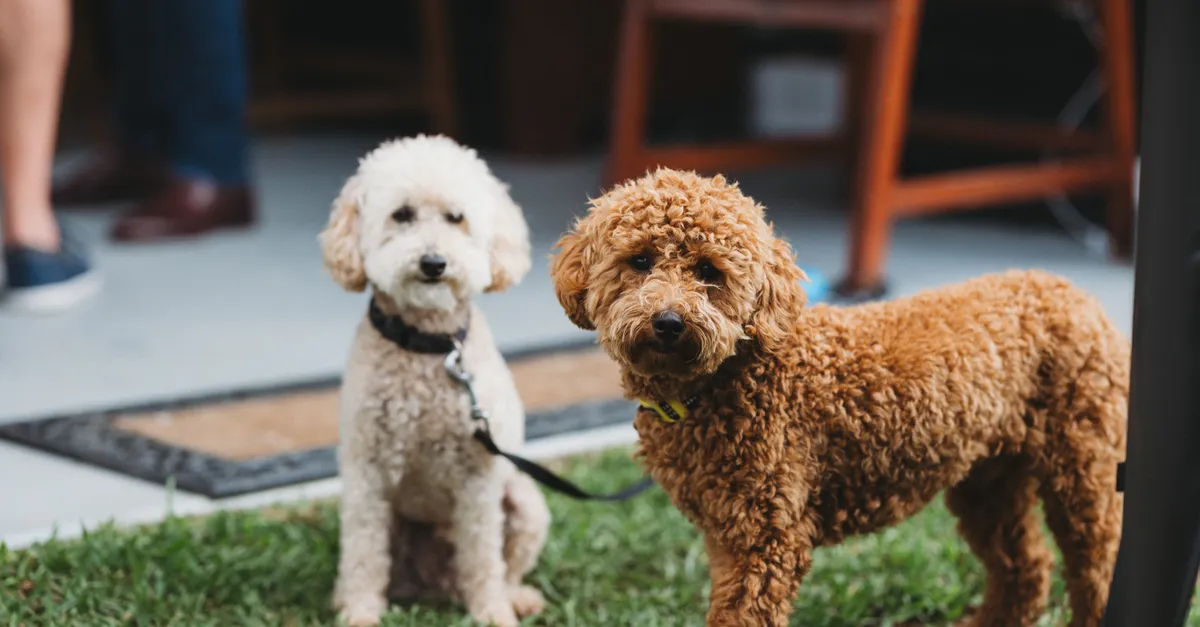
Frequently asked questions
- What dog doesn't shed at all?
- No dog breed is completely non-shedding. All dogs lose some hair as part of their natural growth cycle. Breeds described as "non-shedding" actually shed very little — the dead hairs tend to mat into the coat rather than falling on your floors. Curly-coated breeds like Poodles are the closest to genuinely minimal shedding, but they require regular professional grooming to prevent those trapped hairs from matting painfully.
- Is a Poodle really low-shedding?
- Yes — Poodles are among the lowest-shedding breeds. Their tightly curled coat traps dead hairs rather than releasing them onto furniture and floors. However, this comes with a significant grooming requirement: Poodles need professional clipping every 6-8 weeks and regular brushing to prevent mats. A Poodle that isn't groomed regularly will develop painful matting close to the skin. Low-shedding does not mean low-maintenance.
- Do low-shedding dogs need more grooming?
- Often yes, paradoxically. Double-coated breeds like Labrador Retrievers shed heavily but need relatively little professional grooming — the dead hair falls out naturally. Single-coated or curly-coated "low-shedding" breeds trap dead hair in their coat, which must be removed by regular brushing and professional grooming. A Poodle costs significantly more in grooming over a year than a Labrador, despite leaving less hair on your sofa.
- What's the best low-shedding dog for people with allergies?
- Low-shedding does not mean hypoallergenic. The main dog allergen (Can f 1) is a protein found in dog saliva, skin flakes (dander), and urine — not dog hair itself. Low-shedding breeds distribute less dander around your home because less hair carries dander around, but they still produce the allergen. Some allergy sufferers find they react less to low-shedding breeds, but there's no guarantee. See our guide on hypoallergenic dogs for more detail.
- Do double-coated dogs shed more than single-coated dogs?
- Yes, significantly more — especially during seasonal coat blows in spring and autumn. Double-coated breeds (Labrador Retriever, Golden Retriever, German Shepherd, Siberian Husky) lose their undercoat in large volumes twice a year. During shedding season, daily brushing is needed just to keep up. Single-coated breeds shed year-round but in much smaller amounts, while curly-coated breeds (Poodle, Portuguese Water Dog) are the lowest-shedding option.


