
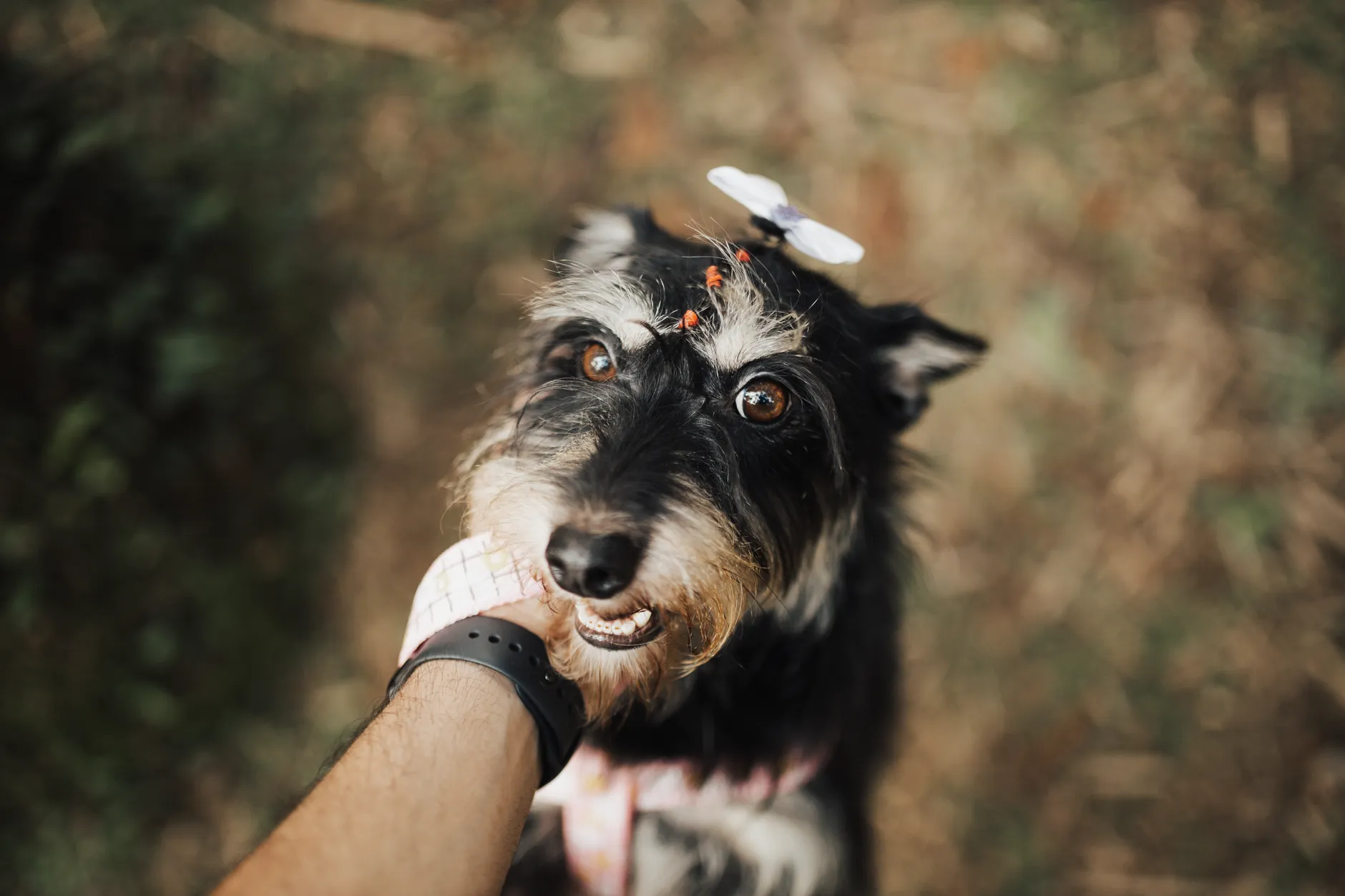
The "best dog for first-time owners" question is really several questions in one: Which breeds forgive the inevitable beginner mistakes? Which are predictable enough that you know what you're signing up for? And which have the trainability to get better with guidance rather than worse? The 10 breeds below rank well on all three.
What makes a breed good for beginners?
The traits that matter most for first-time owners are different from what most people initially look for (appearance, size, or fame). The key criteria:
- Trainability
- Breeds that respond readily to positive reinforcement training recover from mistakes faster and develop reliable behaviour more quickly. High-trainability breeds are more forgiving of the inconsistencies that happen while you're still learning.
- Temperament predictability
- Some breeds have a wide temperament range depending on breeding; others are remarkably consistent. Predictability matters for first-time owners who haven't yet developed the ability to read individual dog behaviour.
- Energy-to-patience ratio
- A breed whose energy exceeds its owner's lifestyle is a recipe for problem behaviour. The breeds below have energy levels that map onto common first-owner lifestyles rather than requiring specialist-level exercise or stimulation.
- Social tolerance
- Dogs that are naturally tolerant with unfamiliar people, children, and other animals are much easier to manage in the unpredictable social situations first-time owners haven't yet learned to navigate.
Use the Dog Breed Selector Quiz to score breeds against your specific lifestyle — the quiz factors in budget, activity level, home size, experience, and family composition.
The 10 top-rated breeds for first-time owners
Each breed below includes honest caveats — because "first-time friendly" does not mean "no effort required." Every dog needs training, socialisation, and appropriate exercise.
Bichon Frise
Havanese
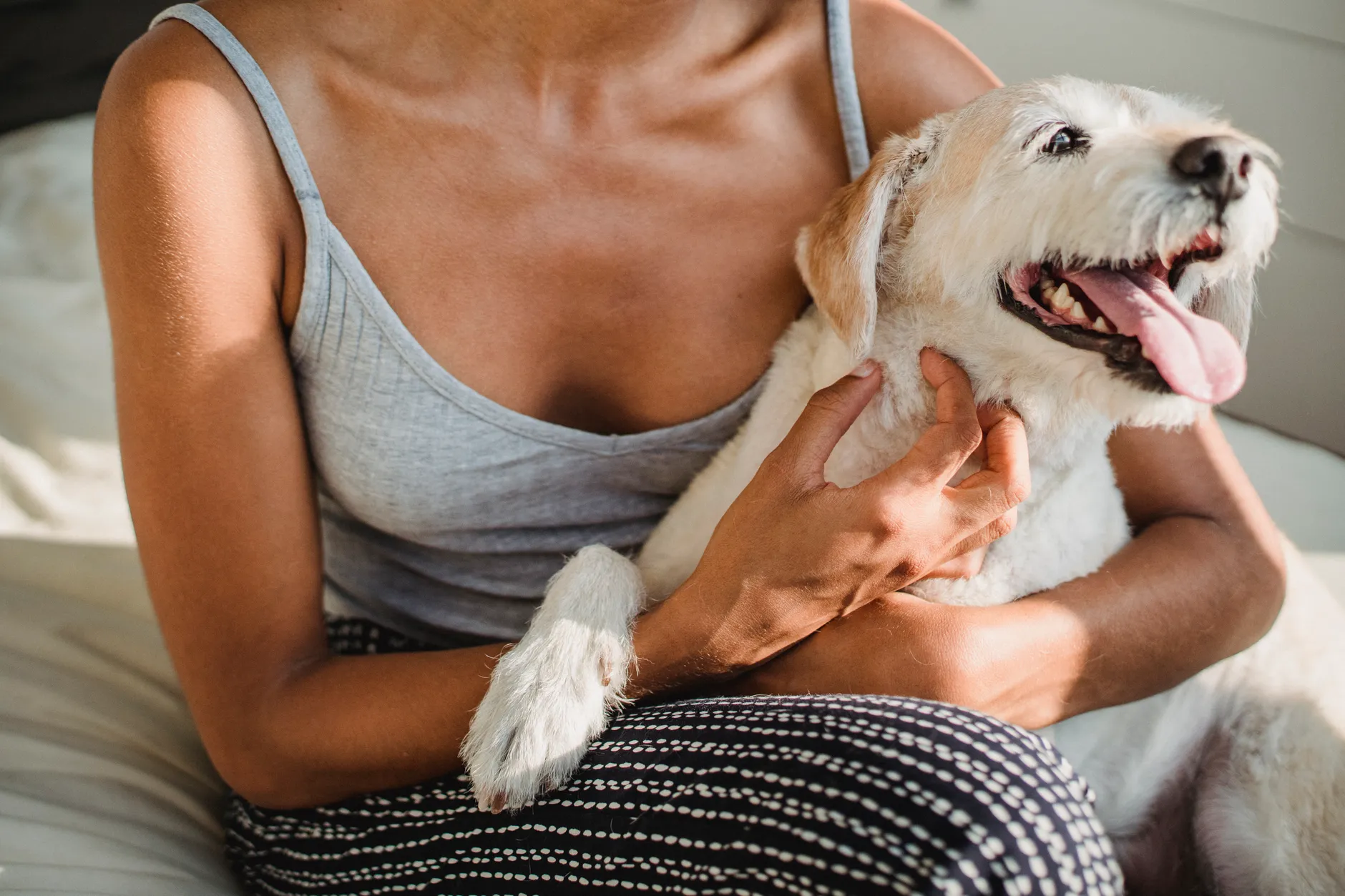
Breeds to approach with caution as a first-timer
The following breeds can be wonderful dogs — but they are consistently harder to manage without prior experience, and they do not forgive beginner mistakes as readily.
- Belgian Malinois: A high-drive working dog that requires daily structured physical and mental work. Without it, Malinois develop destructive and obsessive behaviours. Needs an owner who can think like a professional dog handler.
- Akita: Independent, loyal to family, and wary of strangers and unfamiliar dogs — which sounds manageable until you're in a real-world situation with an unread Akita. Needs a confident owner with clear boundaries and excellent management skills.
- Chow Chow: Aloof, territorial, and cat-like in independence. Socialization must begin early and be extremely comprehensive. With inexperienced handling, they can become resource-aggressive or unpredictable with strangers.
- Siberian Husky: High energy (sled dog endurance), prey-driven, vocal, and an escape-artist. Recall is unreliable off-lead. Underestimated by first-time owners attracted by their appearance.
How to use the breed quiz before you decide
Every recommendation in this guide is a starting point, not a prescription. The Dog Breed Selector Quiz takes your specific lifestyle, home situation, experience level, and budget into account to give you a personalised ranked list of breeds — including a fit score and a factor breakdown showing what's driving the recommendation. Run it before you contact breeders or visit rescue organisations.
You can also use the Compare Dog Breeds tool to put two or three of the breeds from this list side-by-side across 7 lifestyle scenarios (apartment living, active family, first-time owner, allergy-friendly, and more) to see which match your situation better.
Frequently asked questions
- What is the easiest dog for a first-time owner?
- Labrador Retrievers and Golden Retrievers are the most frequently cited "easiest" breeds for first-time owners because they combine high trainability, forgiving temperaments, and predictable size. Cavalier King Charles Spaniels and Miniature Poodles are strong alternatives if you prefer a smaller dog. "Easiest" is contextual — a low-energy first-time owner will find a Whippet easier than a Labrador, despite the Lab's reputation as beginner-friendly.
- Are small dogs easier for beginners?
- Not necessarily. Some small breeds — Jack Russell Terriers, Chihuahuas, Dachshunds — are feisty, stubborn, and require more training experience than their size implies. Small size does not equal low maintenance. The breeds on this list that happen to be small (Shih Tzu, Cavalier KCS, Bichon Frise, Havanese) were chosen for temperament and trainability, not size. If you want a small-easy combination, Cavalier King Charles Spaniels and Bichon Frises are reliable choices.
- Should a first-time owner get a puppy or an adult dog?
- An adult dog (2–5 years) from a breed rescue is often genuinely easier for first-time owners — you get a dog whose adult temperament, energy level, and size are already known. Puppies require intensive time, patience, and consistent training for 12–18 months; adults typically arrive toilet-trained and past the destructive puppy phase. If you specifically want a puppy, choose a breed from this list known for easy puppy-hood (Labrador, Golden Retriever, Cavalier KCS) and plan for professional training classes.
- What dog breeds are too hard for beginners?
- Belgian Malinois, Akita, Chow Chow, Siberian Husky, and Alaskan Malamute are consistently cited as difficult breeds for first-time owners. Malinois are high-drive working dogs that require experienced handlers and daily structured work. Akitas and Chow Chows have guarding instincts that need confident, experienced management. Siberian Huskies and Malamutes are prey-driven, high-energy escape artists whose recall can never be fully trusted off-lead. All can be wonderful dogs — in the right experienced hands.
- Is a Labrador good for a first-time owner?
- Yes, for most first-time owners in households with space for a medium-large active dog. Labs are consistently rated among the most trainable, tolerant, and people-oriented breeds. The caveats: they're boisterous and strong as young dogs (12–24 months), they shed significantly, and they need substantial daily exercise (60–90 minutes). A Lab in an apartment with minimal exercise is not a good beginner match. A Lab with a garden, active owners, and commitment to training is an excellent first dog.


