
Lhasa Apso
Ancient Tibetan sentinel companion with a lavish coat, comic personality, and serious watchdog instincts in a small body.

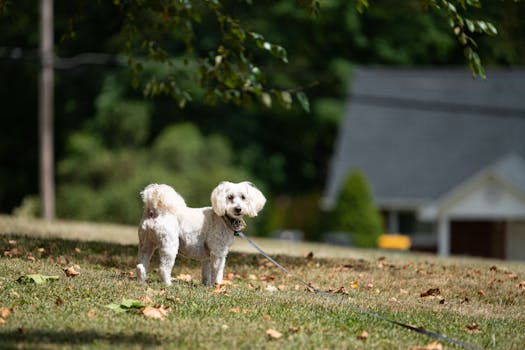
Photo by Alexas Fotos on Pexels
Quick facts: Lhasa Apso
- Size
- Small
- Weight
- 5.4–8.2 kg
- Origin
- Tibet
- Life span
- 12–15 years
- Temperament
- Confident, smart, complex, loyal, alert
- Energy level
- Medium
- Grooming needs
- Very‑high
- Trainability
- Medium‑high
- Apartment fit
- High
- Typical annual cost
- ~$2,300
Is the Lhasa Apso right for you?
Best for
- Apartment or townhouse owners who want a small but sturdy companion
- Owners who enjoy grooming routines or can budget for professional trims
- Adults or families with respectful older children
- People who appreciate an alert watchdog personality rather than a universally social lapdog
Not ideal if
- You want a low-maintenance wash-and-wear coat
- You dislike alert barking or stranger wariness
- You expect instant obedience from a small companion breed
- You need a dog that is highly tolerant of rough handling from young children
A loyal apartment-friendly companion for owners who can handle coat care, alert barking, and a proud independent streak.
Trait snapshot
Lhasa Apso is part of the Non-Sporting Group — see group tendencies →
What owners actually say
Lhasa Apso owners love the comic loyalty and apartment size, but often underestimate the coat work and alert-barking/watchdog side.
- Apartment life
Usually a strong apartment fit physically: compact, sturdy, and not frantic indoors. Noise sensitivity is the limiting factor, especially in buildings with hallway traffic.
- Barking
Owners commonly describe them as little sentinels. Doorbells, strangers, and unexpected sounds can trigger serious alert barking.
- Grooming
The coat is the practical deal-breaker for many households. Puppy cuts reduce burden, but grooming still costs time and money.
- Training
They are clever and learn routines fast, but they are not naturally deferential. Respectful consistency beats repetition.
- Health reality
Eye irritation, dental care, skin hidden under mats, and knee issues are the owner surprises more than food or exercise costs.
- General
Fans describe the breed as funny, loyal, and oddly human in personality — small in size, but not emotionally small.
Editorial summary based on owner accounts and breed community feedback. Phase 3 can replace or enrich this with structured PupWiki owner survey data.
Cost snapshot
Range $1,300–$4,200
Range $2,500–$7,800
After first year
Annual breakdown
Assumptions used:
- Small-breed food volume
- Professional grooming every 4–8 weeks if kept in a long or styled coat
- Higher dental and eye-care vigilance than size alone suggests
- Training and socialisation investment important for watchdog behaviour
Last reviewed: 2026-07-02
Read full methodology →Health watchlist
Health information is educational only. Always consult your veterinarian.
Eye irritation and inherited eye disease
Hair around the face, prominent eyes, and inherited eye conditions make routine eye monitoring important. Ask breeders about ophthalmic screening and contact a vet promptly for redness, discharge, squinting, or vision changes.
Patellar luxation
Small breeds can be prone to kneecap instability. Keep weight lean and discuss skipping, hopping, or intermittent hind-leg lameness with your veterinarian.
Skin and coat matting complications
Dense coat that mats can hide skin irritation, ear problems, parasites, and hot spots. A realistic grooming plan is part of health care, not just appearance.
Dental disease
Small mouths often need proactive dental care. Daily brushing, appropriate chews, and professional dental guidance reduce pain and tooth loss risk.
Check your fit
Answer a few questions to see how a Lhasa Apso fits your household.
Frequently asked questions
Are Lhasa Apsos good apartment dogs?
Do Lhasa Apsos bark a lot?
How much grooming does a Lhasa Apso need?
Are Lhasa Apsos good with children?
Are Lhasa Apsos easy to train?
Can Lhasa Apsos be left alone?
What health problems are Lhasa Apsos prone to?
Tools for Lhasa Apso owners
Similar breeds to the Lhasa Apso
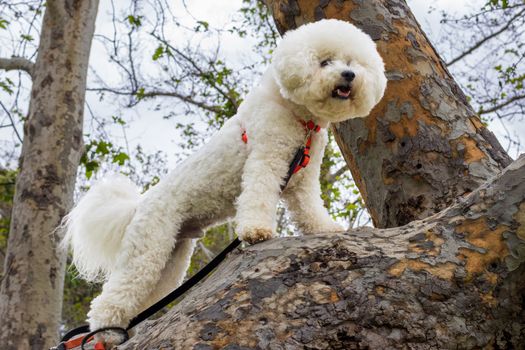
Small, curly-coated companion dog; cheerful, low-shedding, and highly sociable, but requiring intensive grooming and prone to separation anxiety.

Small Madagascar companion with a cottony coat, cheerful temperament, and strong desire to stay close to its people.
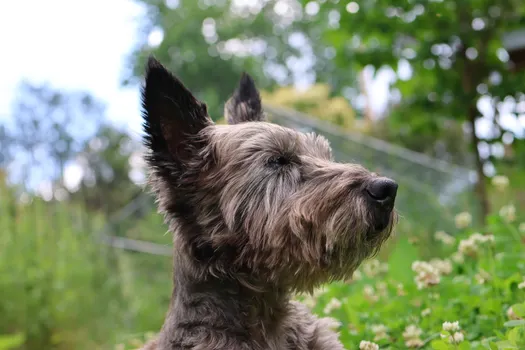
Compact, dignified terrier from Scotland with a bold “Diehard” personality, wiry coat, and independent watchdog streak.
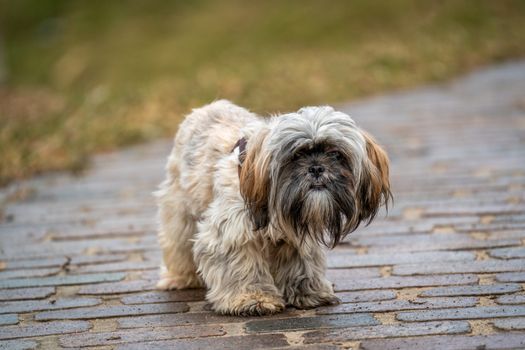
Regal Chinese lap dog bred for palace life; affectionate, sturdy, and highly adaptable to apartment living with demanding coat care.
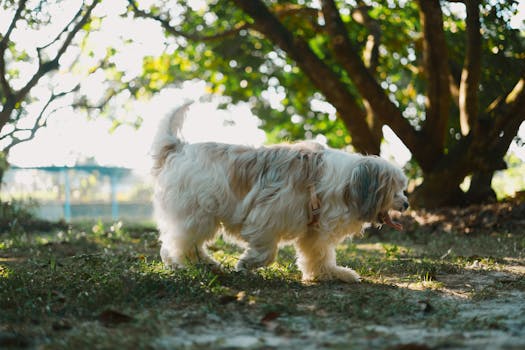
Cuba's national dog — a small, cheerful companion with a silky coat, low shedding, and exceptional adaptability to urban and apartment life.
Popular Maltese-Poodle designer mix; low-shedding, affectionate, and apartment-friendly — but coat, temperament, and health vary significantly between individuals due to hybrid genetics.
Compare & learn more
Which breed factor do you research first?
Help improve PupWiki with one quick anonymous answer.
Find my breed match →