
Whippet
Sleek, gentle sighthound that sprints at 35 mph but is remarkably calm indoors; low-maintenance coat with a sensitive, affectionate nature.

Photo by Ion Ceban @ionelceban on Pexels
Quick facts: Whippet
- Size
- Medium
- Weight
- 5–8.2 kg
- Origin
- England
- Life span
- 12–15 years
- Temperament
- Gentle, calm, playful, affectionate
- Energy level
- High
- Grooming needs
- Very‑low
- Trainability
- Medium
- Apartment fit
- High
- Typical annual cost
- ~$2,200
Is the Whippet right for you?
Best for
- Apartment dwellers who can provide daily outdoor exercise
- Those wanting a low-shedding, low-grooming breed
- Owners who enjoy running or lure coursing activities
- Quieter households (Whippets rarely bark)
Not ideal if
- Homes without access to a secure fenced area for sprinting
- Homes with cats or small pets (high prey drive)
- Cold climates without dog coats (thin coat, minimal body fat)
- Owners wanting an on-leash-only dog (recall can be unreliable when chasing)
Quiet, low-maintenance apartment option that needs daily off-lead sprints — ideal in a securely fenced area.
Trait snapshot
Whippet is part of the Hound Group — see group tendencies →
What owners actually say
Whippet owners are consistently amazed by how well the breed adapts to apartment life — and clear-eyed about the secured outdoor space and prey drive management it requires.
- Apartment life
Genuinely apartment-friendly indoors. Owners describe a calm, quiet, low-energy presence at home that surprises people unfamiliar with the breed. The '45 mph couch potato' description is consistently accurate.
- General
Prey drive is real and recall can be unreliable when chasing. Owners are emphatic: a securely fenced area is non-negotiable. Off-lead in open spaces is described as dangerous, not just risky.
- Grooming
Among the lowest-maintenance coats of any breed. A wipe-down keeps them clean. Owners who moved from heavily-shedding breeds describe the grooming difference as transformative.
- Training
Trainable but sighthound-independent. Owners describe a dog that learns quickly in training sessions but applies selective hearing in the real world, especially outdoors. Positive reinforcement is effective; harsh methods backfire.
- Health reality
Cold sensitivity is real, not just a quirk. Owners in colder climates describe dog coats as genuine necessities rather than accessories. Thin skin and minimal body fat mean they feel the cold rapidly.
Editorial summary. Phase 3 will add structured owner survey data.
Cost snapshot
Range $1,400–$3,800
Range $2,500–$7,500
After first year
Annual breakdown
Assumptions used:
- Low grooming cost (minimal coat maintenance)
- Dog coats/jumpers needed in cold climates
- Relatively low food cost for their size
Last reviewed: 2026-06-20
Read full methodology →Health watchlist
Health information is educational only. Always consult your veterinarian.
Cardiac arrhythmia
Whippets can have benign cardiac arrhythmias that appear alarming on an ECG but are normal for the breed. A veterinary cardiologist familiar with sighthounds should evaluate if flagged. Consult your vet.
Anesthesia sensitivity
As a sighthound with very low body fat, Whippets are sensitive to certain anesthetic agents. Always inform your vet they are treating a sighthound before any procedure.
Eye conditions
Progressive retinal atrophy and cataracts can occur. Regular eye exams are recommended, especially as the dog ages. Consult your vet for guidance specific to your dog.
Skin lacerations
The thin skin and minimal body fat make Whippets prone to cuts and scrapes during exercise. Owners should inspect after outdoor activity. Consult your vet for guidance specific to your dog.
Dental disease
Sighthounds are prone to dental issues. Regular brushing and veterinary dental checks help prevent periodontal disease. Consult your vet for guidance specific to your dog.
Check your fit
Answer a few questions to see how a Whippet fits your household.
Frequently asked questions
Are Whippets good apartment dogs?
Can Whippets be off-lead?
Do Whippets get along with cats?
How do Whippets handle cold weather?
How much does it cost to own a Whippet?
What health problems are Whippets prone to?
How much grooming does a Whippet need?
Are Whippets easy to train?
Are Whippets good for first-time owners?
How long do Whippets live?
Tools for Whippet owners
Similar breeds to the Whippet

Muscular, people-loving terrier with courage, confidence, and a strong need for responsible socialisation and breed-aware ownership.
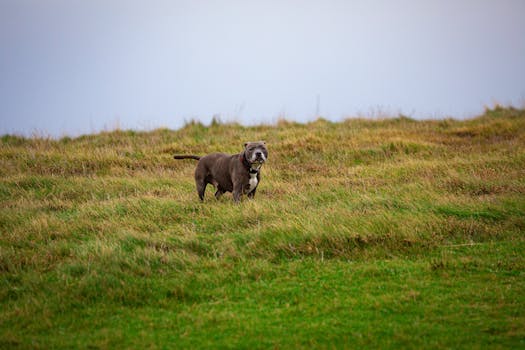
Compact, muscular British breed nicknamed 'the nanny dog' for its genuine affection for children; people-loving but can be dog-selective, requiring socialisation and experienced handling.
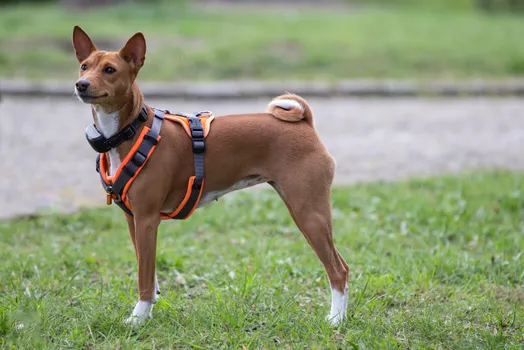
Compact African hunting hound famous for its quiet, yodel-like voice, catlike cleanliness, and independent mind.

Compact American farm terrier: playful, portable, prey-driven, and much more athletic than its size suggests.
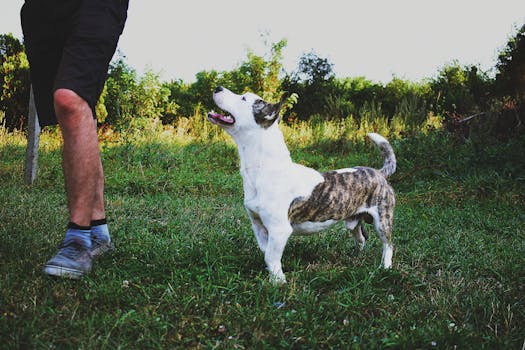
Muscular, playful English breed with a distinctive egg-shaped head; deeply devoted to family but strong-willed and not suitable for first-time owners.
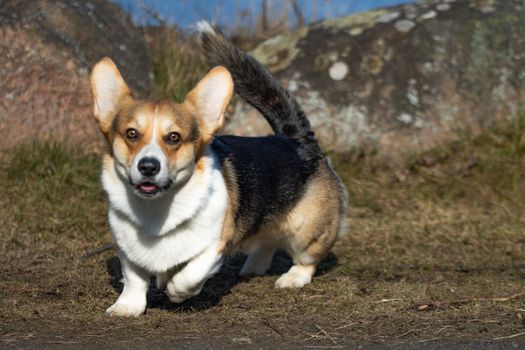
Foxy-faced cattle drover; affectionate, agile, and outspoken.
Compare & learn more
Head-to-head comparisons


Relevant guides
Would you consider an adult dog instead of a puppy?
Help improve PupWiki with one quick anonymous answer.
Find my breed match →