
Pembroke Welsh Corgi
Foxy-faced cattle drover; affectionate, agile, and outspoken.
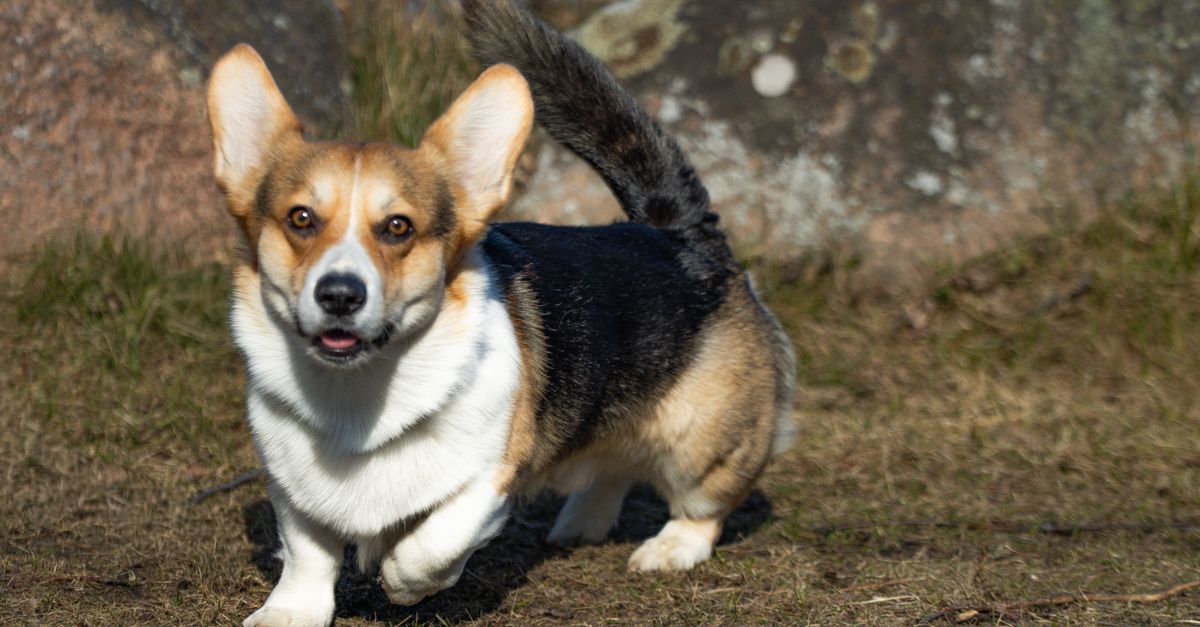
Photo by Efrem Efre on Pexels
Quick facts: Pembroke Welsh Corgi
- Size
- Small
- Weight
- 12.2–13.6 kg
- Origin
- Wales
- Life span
- 12–13 years
- Temperament
- Outgoing, smart, bold, loyal
- Energy level
- High
- Grooming needs
- Low
- Trainability
- Low
- Apartment fit
- High
- Typical annual cost
- ~$1,900
Is the Pembroke Welsh Corgi right for you?
Best for
- Active owners who enjoy daily walks
- Families with children
- Those wanting a highly trainable, responsive breed
Not ideal if
- Owners with low tolerance for heavy shedding
- Those wanting a low-maintenance coat
- Owners away for most of the day
An intelligent, cheerful herding dog with moderate exercise needs and heavy shedding.
Trait snapshot
Pembroke Welsh Corgi is part of the Herding Group — see group tendencies →
What owners actually say
Corgi owners are famously devoted to the breed but honest about the shedding, the herding instincts, and the importance of DM testing.
- Shedding
Corgi owners describe finding fur on every surface — furniture, clothing, food — as a near-daily reality. During seasonal coat blows, the volume increases to a level that surprises even prepared owners. A high-quality vacuum and a regular deshedding brush routine are honest preparations.
- Health reality
Asking breeders for DM genetic test results for both parents is the most important health step owners consistently report taking. Breeders who cannot or will not provide testing records are a concern. This one question separates thoughtful breeders from those cutting corners.
- Energy
New Corgi owners often discover that their 'small dog' needs herding-dog levels of engagement. Corgis want to work, learn, and participate. Owners who treat them as lap dogs without stimulation report frustrated, vocal, sometimes destructive dogs.
- General
Herding instinct means some Corgis will nip at the heels of running children or fast-moving adults. This is manageable with early training and redirecting children not to run past the dog. Left unaddressed it can become a habit — it is breed behaviour, not aggression.
- General
Corgi owners are famously devoted to the breed. The combination of intelligence, expressiveness, and genuine personality creates a dog owners describe as 'always part of the conversation.' Their ability to read and respond to human emotion is notably high.
- Health reality
Given the elevated risks of hip dysplasia and DM, keeping a Corgi at a lean, healthy weight through measured meals and regular exercise is joint health management. Owners who lost a Corgi to DM often emphasise that maintaining good muscle condition throughout life may affect disease progression.
Editorial summary based on owner accounts and breed community feedback.
Cost snapshot
Range $1,100–$3,200
Range $2,200–$6,500
After first year
Annual breakdown
Assumptions used:
- Small breed food
- Regular deshedding tools
- DNA health testing recommended from breeder
Last reviewed: 2026-06-20
Read full methodology →Health watchlist
Health information is educational only. Always consult your veterinarian.
Hip dysplasia
Common in the breed; ask breeders for OFA certification. Consult your vet for guidance specific to your dog.
Eye conditions (PRA, Cataract)
Multiple hereditary eye conditions occur. CAER exams are recommended for breeding dogs. Consult your vet for guidance specific to your dog.
Degenerative Myelopathy
DNA testing for the DM gene is available. Consult your vet for guidance specific to your dog.
Obesity
Corgis are very food-motivated and prone to weight gain, which worsens back stress. Strict portion control is essential. Consult your vet for guidance specific to your dog.
IVDD
The long spine creates moderate risk for disc disease. Avoid excessive jumping and stair climbing. Consult your vet for guidance specific to your dog.
Check your fit
Answer a few questions to see how a Pembroke Welsh Corgi fits your household.
Frequently asked questions
Do Pembroke Welsh Corgis shed a lot?
Are Pembroke Welsh Corgis good apartment dogs?
Are Pembroke Welsh Corgis easy to train?
Do Pembroke Welsh Corgis have health problems?
How much does it cost to own a Pembroke Welsh Corgi?
How much grooming does a Pembroke Welsh Corgi need?
Are Pembroke Welsh Corgis good for first-time owners?
How long do Pembroke Welsh Corgis live?
Tools for Pembroke Welsh Corgi owners
Similar breeds to the Pembroke Welsh Corgi

Compact African hunting hound famous for its quiet, yodel-like voice, catlike cleanliness, and independent mind.

Compact companion nicknamed the American Gentleman; lively yet mannerly with minimal grooming needs.

Compact American farm terrier: playful, portable, prey-driven, and much more athletic than its size suggests.

Small rugged terrier from Australia; alert, spirited, loyal, and packed with old-school vermin-hunting grit.

Small pack hound built for endurance and scent work; merry, social, and food-motivated.
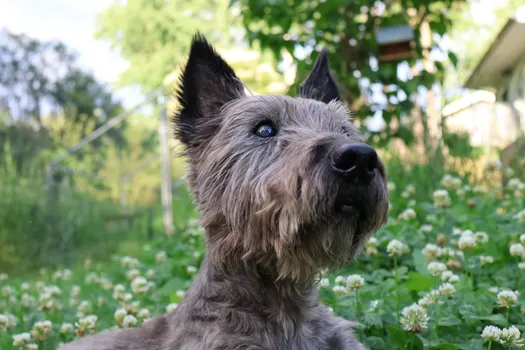
Hardy working terrier with an otter-like head; affectionate and practical, but still driven, diggy, and prey-aware.
Compare & learn more
Head-to-head comparisons
Relevant guides
How soon are you planning to get a dog?
Help improve PupWiki with one quick anonymous answer.
Find my breed match →