
American Staffordshire Terrier
Muscular, people-loving terrier with courage, confidence, and a strong need for responsible socialisation and breed-aware ownership.

Quick facts: American Staffordshire Terrier
- Size
- Medium
- Weight
- 18.1–31.8 kg
- Origin
- United States
- Life span
- 12–16 years
- Temperament
- Confident, smart, good-natured, courageous
- Energy level
- High
- Grooming needs
- Very‑low
- Trainability
- Medium
- Apartment fit
- Medium
- Typical annual cost
- ~$2,400
Is the American Staffordshire Terrier right for you?
Best for
- Active owners wanting a compact but powerful companion
- People committed to reward-based training and socialisation
- Homes that prefer a short, low-maintenance coat
- Owners comfortable navigating breed perception and rules
Not ideal if
- You want an off-leash dog-park default breed
- Local housing or insurance rules restrict bully-type breeds
- You cannot commit to impulse-control training
- You need a very soft, low-drive companion
A devoted, athletic companion for owners who can provide training, socialisation, and responsible public handling.
Trait snapshot
American Staffordshire Terrier is part of the Terrier Group — see group tendencies →
What owners actually say
American Staffordshire Terrier owners consistently highlight the breed's affection, confidence, and athleticism — and are frank about the need for socialisation, impulse control, and breed-aware ownership.
- General
Owners praise the AmStaff's emotional closeness: many describe them as affectionate shadows that want to be involved in everything the family does.
- Training
Impulse control is the recurring theme. Polite greetings, leash skills, settle work, and reliable recall make a major difference because the dog is compact but strong.
- Apartment life
Apartment success depends less on square footage and more on daily exercise, calm hallway manners, landlord rules, and the owner's ability to manage public perception.
- Energy
Owners often find the breed more athletic than expected. A bored AmStaff may invent rough play, chewing, or attention-seeking behaviour.
- Grooming
Coat care is easy and inexpensive, but skin allergies or ear irritation can turn grooming from simple maintenance into a recurring vet conversation.
- General
The breed rewards responsible owners with exceptional loyalty and humor, but it is a poor fit for anyone who wants a casual, unmanaged public companion.
Editorial summary based on owner accounts, breed-community patterns, and breed-purpose analysis. Phase 3 can replace or supplement these notes with structured owner survey data.
Cost snapshot
Range $1,300–$4,200
Range $2,500–$8,500
After first year
Annual breakdown
Assumptions used:
- Medium-to-large athletic dog food
- Training/socialisation investment important
- Potential housing or insurance friction in some areas
Last reviewed: 2026-07-02
Read full methodology →Health watchlist
Health information is educational only. Always consult your veterinarian.
Hip dysplasia
Responsible breeders may screen hips. Keep growth steady, avoid excess weight, and ask your vet about orthopedic evaluation if lameness appears.
Skin allergies
Itchy skin, recurrent ear issues, or paw licking can signal allergies. Persistent symptoms should be handled with a veterinarian rather than repeated over-the-counter fixes.
Cardiac concerns
Routine wellness checks and breeder screening can help identify heart concerns. Discuss murmurs, exercise intolerance, coughing, or fainting promptly with your vet.
Knee ligament injuries
Powerful, athletic dogs can strain knees during sudden turns and high-impact play. Maintain lean weight and condition gradually. Ask your vet for guidance specific to your dog.
Dental and preventive care
Short coats do not mean low total care. Dental care, nail trims, parasite prevention, and routine exams remain important throughout life. Ask your vet for guidance specific to your dog.
Check your fit
Answer a few questions to see how a American Staffordshire Terrier fits your household.
Frequently asked questions
Are American Staffordshire Terriers good family dogs?
Are AmStaffs good for first-time owners?
Do American Staffordshire Terriers get along with other dogs?
How much exercise does an AmStaff need?
Are AmStaffs apartment-friendly?
How much grooming does an American Staffordshire Terrier need?
What health problems are AmStaffs prone to?
How long do American Staffordshire Terriers live?
Are American Staffordshire Terriers aggressive?
Tools for American Staffordshire Terrier owners
Similar breeds to the American Staffordshire Terrier
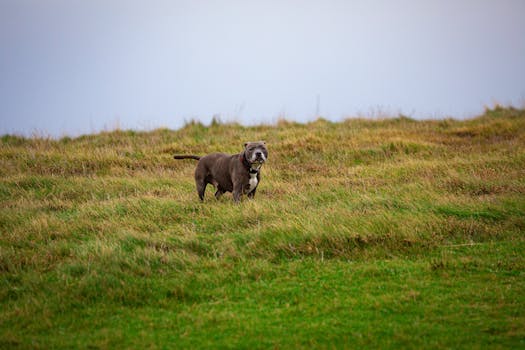
Compact, muscular British breed nicknamed 'the nanny dog' for its genuine affection for children; people-loving but can be dog-selective, requiring socialisation and experienced handling.
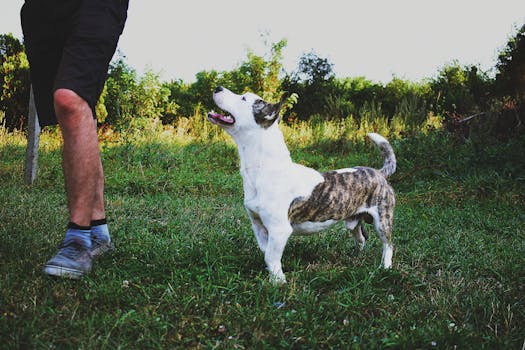
Muscular, playful English breed with a distinctive egg-shaped head; deeply devoted to family but strong-willed and not suitable for first-time owners.

Sleek, gentle sighthound that sprints at 35 mph but is remarkably calm indoors; low-maintenance coat with a sensitive, affectionate nature.

Small pack hound built for endurance and scent work; merry, social, and food-motivated.
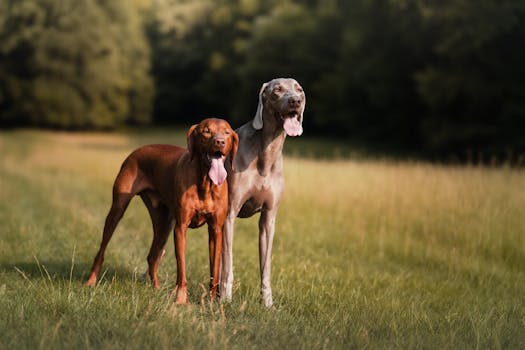
Athletic, deeply affectionate Hungarian sporting dog nicknamed the 'velcro dog'; thrives with active owners but struggles with extended alone time and is not suited to sedentary households.
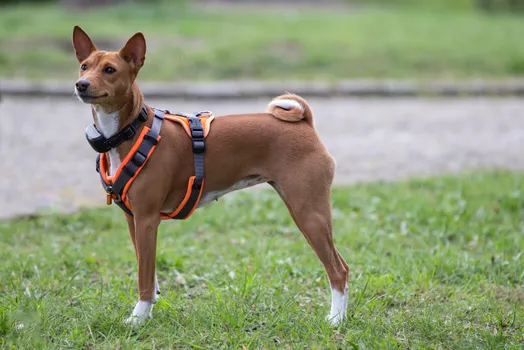
Compact African hunting hound famous for its quiet, yodel-like voice, catlike cleanliness, and independent mind.
Compare & learn more
Relevant guides
How important is apartment fit?
Help improve PupWiki with one quick anonymous answer.
Find my breed match →