
Staffordshire Bull Terrier
Compact, muscular British breed nicknamed 'the nanny dog' for its genuine affection for children; people-loving but can be dog-selective, requiring socialisation and experienced handling.
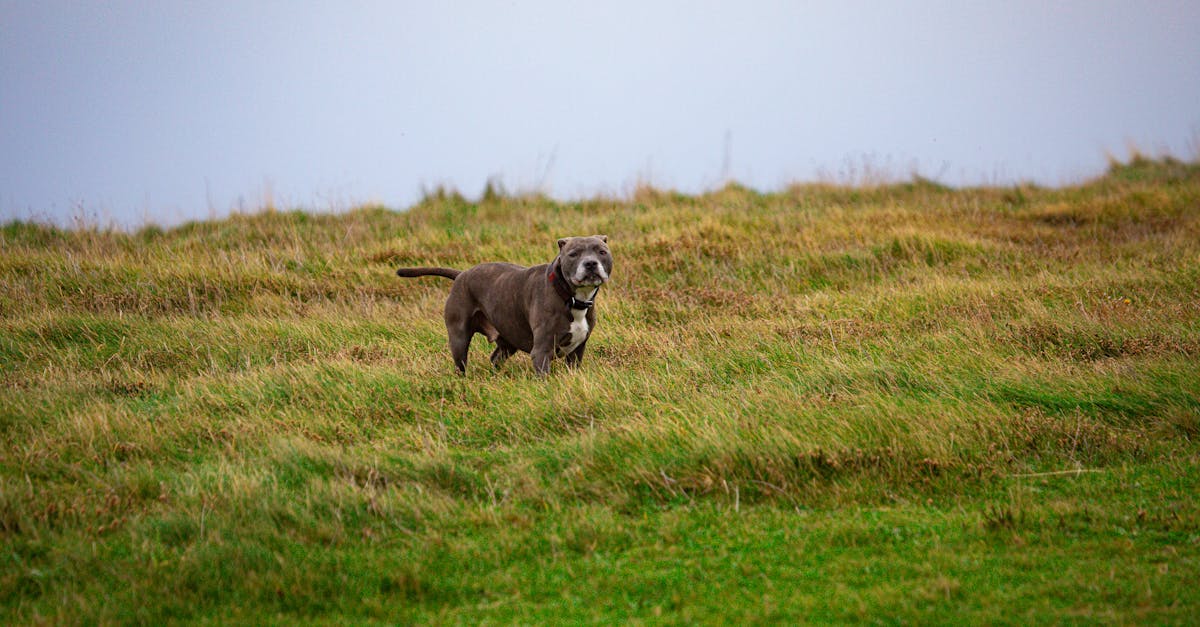
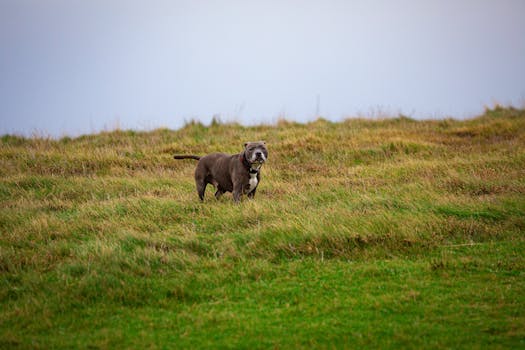
Photo by Tony Zohari on Pexels
Quick facts: Staffordshire Bull Terrier
- Size
- Medium
- Weight
- 5.9–7.7 kg
- Origin
- England (Staffordshire)
- Life span
- 12–14 years
- Temperament
- Courageous, affectionate, loyal, tenacious, playful
- Energy level
- High
- Grooming needs
- Very‑low
- Trainability
- Medium
- Apartment fit
- Medium
- Typical annual cost
- ~$2,200
Is the Staffordshire Bull Terrier right for you?
Best for
- Families with children — genuinely one of the best breeds with kids
- Active owners with experience managing high-drive breeds
- Those wanting a low-grooming, loyal, playful medium breed
Not ideal if
- Multi-pet households without careful management (dog-to-dog selectivity)
- First-time owners who have not handled a high-drive breed before
- Those wanting a low-energy companion
- Areas with Breed Specific Legislation (BSL) — check local laws
Exceptionally people-loving and child-friendly — a brilliant family breed for experienced owners who can manage dog selectivity and strong physical drive.
Trait snapshot
Staffordshire Bull Terrier is part of the Terrier Group — see group tendencies →
What owners actually say
Staffy owners are among the most enthusiastic in any breed community — describing an incredibly affectionate, people-focused family dog — but are honest about the dog reactivity and prey drive that require management.
- General
Exceptionally affectionate with family. Owners describe a breed that is physically demonstrative — leaning, snuggling, and demanding proximity. Often called 'velcro dogs' by experienced owners.
- Training
People-motivated, which makes training rewarding. Owners describe good food drive and responsiveness to positive reinforcement. However, the breed can be stubborn with tasks they find unrewarding — keep sessions short and engaging.
- General
Dog reactivity and prey drive are consistent themes in owner accounts. Not reliably dog-friendly — selective socialisation from puppyhood matters enormously, and on-lead management near unknown dogs is sensible.
- Health reality
L2HGA and HC (hereditary cataracts) are genetic conditions specific to this breed. Owners who purchased from health-tested parents describe significantly fewer issues. Always ask for documented health tests.
- Apartment life
Adapts surprisingly well to apartment living given adequate exercise. Owners describe a breed that is calm indoors once exercised. The compact size helps — but daily vigorous exercise remains essential.
Editorial summary. Phase 3 will add structured owner survey data.
Cost snapshot
Range $1,400–$3,800
Range $2,500–$7,500
After first year
Annual breakdown
Assumptions used:
- Very low grooming cost (short smooth coat)
- L2HGA and HC genetic testing of parent dogs — ask for these certificates
- Training investment recommended for high-drive management
Last reviewed: 2026-06-20
Read full methodology →Health watchlist
Health information is educational only. Always consult your veterinarian.
L-2-Hydroxyglutaric Aciduria (L2HGA)
A hereditary metabolic brain disorder specific to Staffies. DNA testing is available and responsible breeders screen parent dogs. Ask for L2HGA clear certificates for both parents. Consult your vet.
Hereditary Cataract (HC)
Hereditary cataracts are well-documented in the breed. DNA testing is available. Ask breeders for HC-clear certificates for both parents. Consult your vet.
Hip dysplasia
Present at moderate rates. OFA hip evaluation is available and used by responsible breeders. Consult your vet.
Skin allergies
Environmental and food allergies are relatively common. Watch for persistent scratching or ear infections. Consult your vet for guidance specific to your dog.
Dental disease
Regular dental care helps prevent periodontal disease. Consult your vet for guidance specific to your dog.
Check your fit
Answer a few questions to see how a Staffordshire Bull Terrier fits your household.
Frequently asked questions
Why are Staffordshire Bull Terriers called 'nanny dogs'?
Are Staffordshire Bull Terriers aggressive?
What is Breed Specific Legislation (BSL) and does it affect Staffies?
How much exercise does a Staffordshire Bull Terrier need?
What health problems are Staffordshire Bull Terriers prone to?
How much grooming does a Staffordshire Bull Terrier need?
Are Staffordshire Bull Terriers easy to train?
Are Staffordshire Bull Terriers good apartment dogs?
Are Staffordshire Bull Terriers good for first-time owners?
How long do Staffordshire Bull Terriers live?
Tools for Staffordshire Bull Terrier owners
Similar breeds to the Staffordshire Bull Terrier
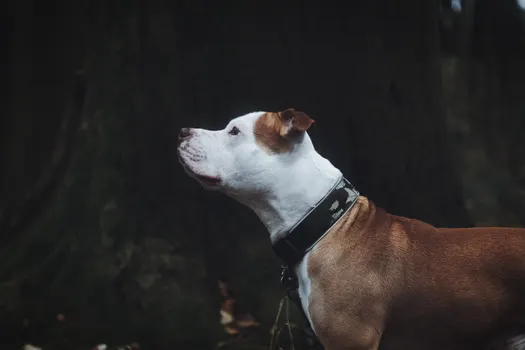
Muscular, people-loving terrier with courage, confidence, and a strong need for responsible socialisation and breed-aware ownership.
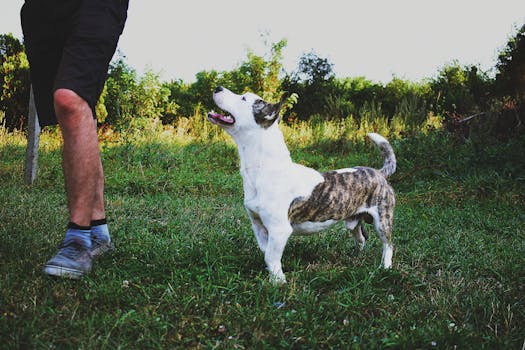
Muscular, playful English breed with a distinctive egg-shaped head; deeply devoted to family but strong-willed and not suitable for first-time owners.
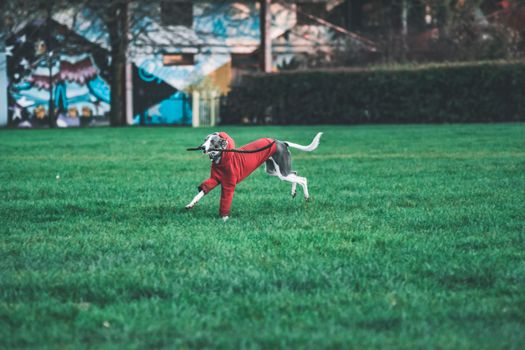
Sleek, gentle sighthound that sprints at 35 mph but is remarkably calm indoors; low-maintenance coat with a sensitive, affectionate nature.

Small pack hound built for endurance and scent work; merry, social, and food-motivated.
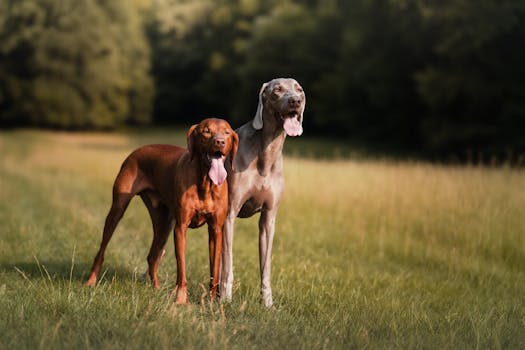
Athletic, deeply affectionate Hungarian sporting dog nicknamed the 'velcro dog'; thrives with active owners but struggles with extended alone time and is not suited to sedentary households.
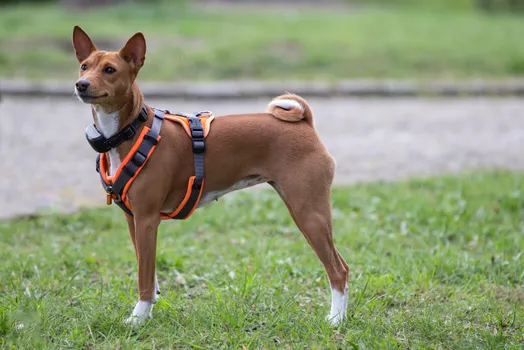
Compact African hunting hound famous for its quiet, yodel-like voice, catlike cleanliness, and independent mind.
Compare & learn more
Head-to-head comparisons
Relevant guides
How do you prefer to compare breeds?
Help improve PupWiki with one quick anonymous answer.
Find my breed match →