
Chinese Shar-Pei
Ancient Chinese guardian known for loose skin, a blue-black tongue, deep loyalty, and a reserved, challenging temperament.
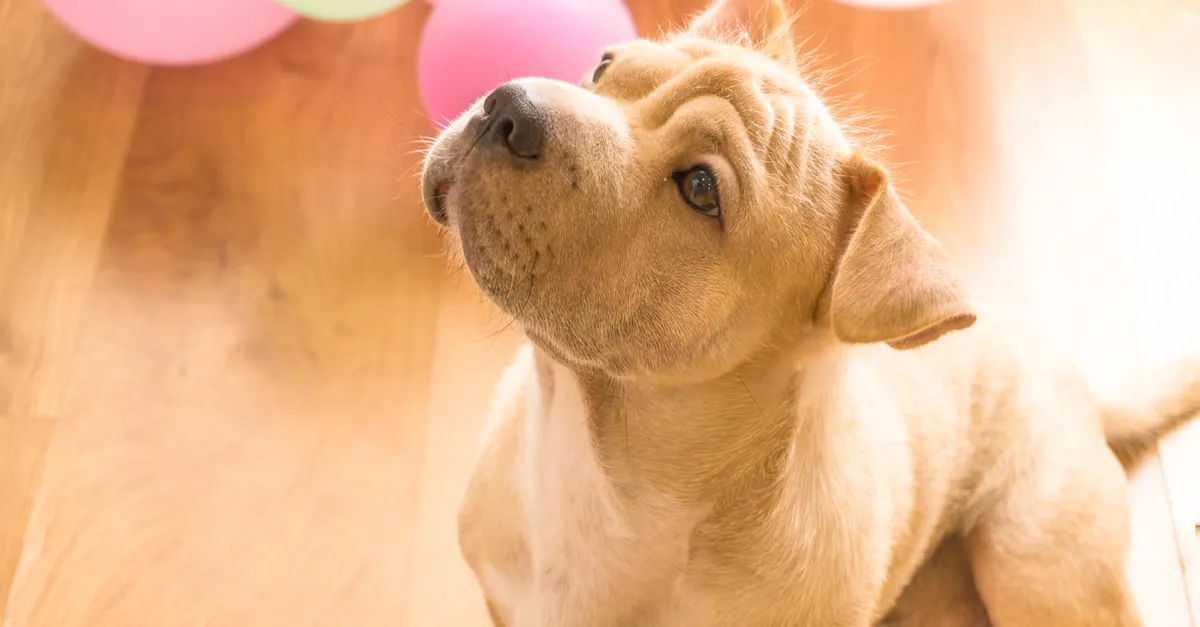
Quick facts: Chinese Shar-Pei
- Size
- Medium
- Weight
- 20.4–27.2 kg
- Origin
- China
- Life span
- 8–12 years
- Temperament
- Loyal, independent, calm, suspicious
- Energy level
- Medium
- Grooming needs
- Low
- Trainability
- High
- Apartment fit
- Medium
- Typical annual cost
- ~$2,800
Is the Chinese Shar-Pei right for you?
Best for
- Experienced owners who appreciate independent breeds
- Calm adult households
- Homes that can provide consistent socialisation and boundaries
- Owners prepared for skin, eye, and veterinary management
Not ideal if
- You want a highly social dog-park breed
- You are a first-time owner without trainer support
- You dislike veterinary variability
- You want a dog that welcomes every stranger by default
A distinctive guardian companion for experienced owners who can manage independence, skin care, and early socialisation.
Trait snapshot
Chinese Shar-Pei is part of the Non-Sporting Group — see group tendencies →
Build a personalised training plan for your Chinese Shar-Pei →
What owners actually say
Shar-Pei owners value the deep loyalty and calm home presence, but the breed requires realistic expectations around strangers, other dogs, skin, eyes, and veterinary cost.
- General
Owners often describe intense family loyalty with a reserved, serious attitude toward strangers.
- Training
Training must start early and stay consistent. The breed is intelligent but independent rather than eager to please.
- Health reality
Skin, ears, eyes, allergies, and inflammatory episodes can create more veterinary involvement than first-time owners expect.
- Apartment life
Some are calm enough indoors for apartments, but visitor management, dog selectivity, and heat sensitivity complicate shared spaces.
- Energy
Moderate exercise usually suits them, but they still need structure, socialisation, and mental engagement.
- Barking
They may not bark constantly, but guarding behaviour can show as suspicion and seriousness rather than noise.
Editorial owner-reality summary based on breed traits, reputable breed-source patterns, and common owner-reported friction points. Phase 3 can replace or augment this with structured PupWiki owner survey data.
Cost snapshot
Range $1,500–$5,200
Range $2,800–$9,800
After first year
Annual breakdown
Assumptions used:
- Medium breed food volume
- Skin/ear/eye veterinary variability can be significant
- Professional training and early socialisation are strongly recommended
- Insurance may be worth evaluating because breed-specific health costs can vary
Last reviewed: 2026-07-02
Read full methodology →Health watchlist
Health information is educational only. Always consult your veterinarian.
Shar-Pei fever and inflammatory disease
Shar-Pei can be associated with periodic fever or inflammatory syndromes. Recurrent fever, swollen hocks, lethargy, or pain requires veterinary evaluation.
Skin fold dermatitis and allergies
Wrinkles and skin structure can contribute to irritation or infection. Persistent odor, redness, moisture, or itching should be treated promptly.
Entropion and eye irritation
Eyelids may roll inward and irritate the eye. Squinting, tearing, redness, or pawing at the eye deserves urgent veterinary attention.
Ear disease
Narrow ear canals and skin issues can contribute to chronic ear problems. Odor, discharge, head shaking, or pain should be assessed.
Check your fit
Answer a few questions to see how a Chinese Shar-Pei fits your household.
Frequently asked questions
Are Chinese Shar-Pei good family dogs?
Are Shar-Pei good for first-time owners?
Do Shar-Pei need a lot of grooming?
Are Shar-Pei good with other dogs?
Can a Shar-Pei live in an apartment?
What health problems are common in Shar-Pei?
Are Shar-Pei easy to train?
How long do Chinese Shar-Pei live?
Tools for Chinese Shar-Pei owners
Similar breeds to the Chinese Shar-Pei
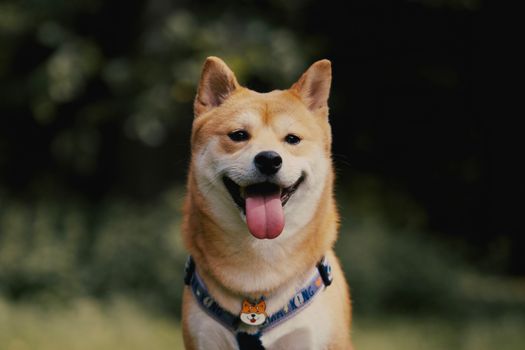
Ancient Japanese spitz-type breed with a foxlike appearance, bold personality, and fierce independence; clean, quiet, and increasingly popular — but not the obedient companion many expect.
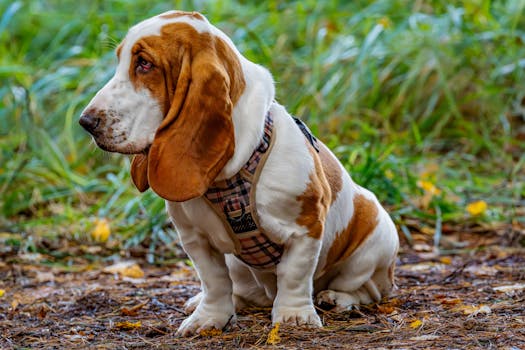
Charming, low-slung scent hound; remarkably good-natured and low-energy indoors but notoriously stubborn, prone to baying, and will follow any interesting scent off-lead.
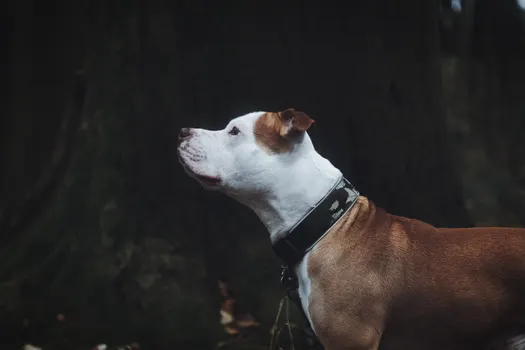
Muscular, people-loving terrier with courage, confidence, and a strong need for responsible socialisation and breed-aware ownership.
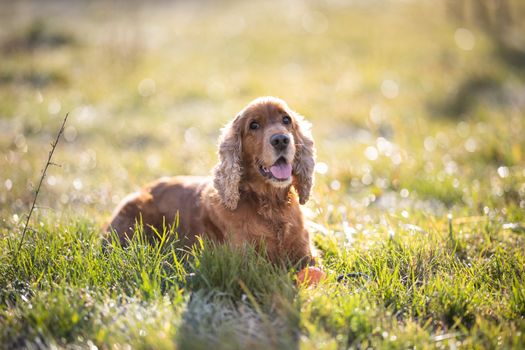
America's most popular sporting spaniel — gentle, responsive, and adaptable; a breed that genuinely thrives as both a family companion and working dog.
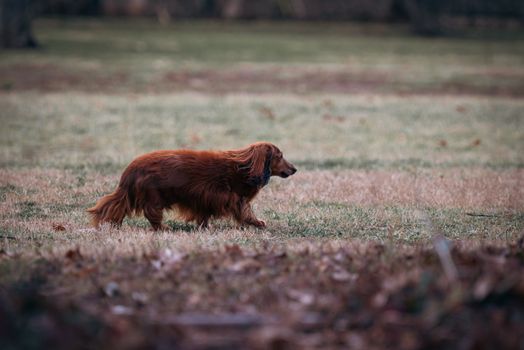
Low-slung scent hound developed for badger work; courageous, playful, and distinct in outline.

Compact, muscular British breed nicknamed 'the nanny dog' for its genuine affection for children; people-loving but can be dog-selective, requiring socialisation and experienced handling.
Compare & learn more
Relevant guides
What type of dog personality fits your home best?
Help improve PupWiki with one quick anonymous answer.
Find my breed match →