
Shiba Inu
Ancient Japanese spitz-type breed with a foxlike appearance, bold personality, and fierce independence; clean, quiet, and increasingly popular — but not the obedient companion many expect.
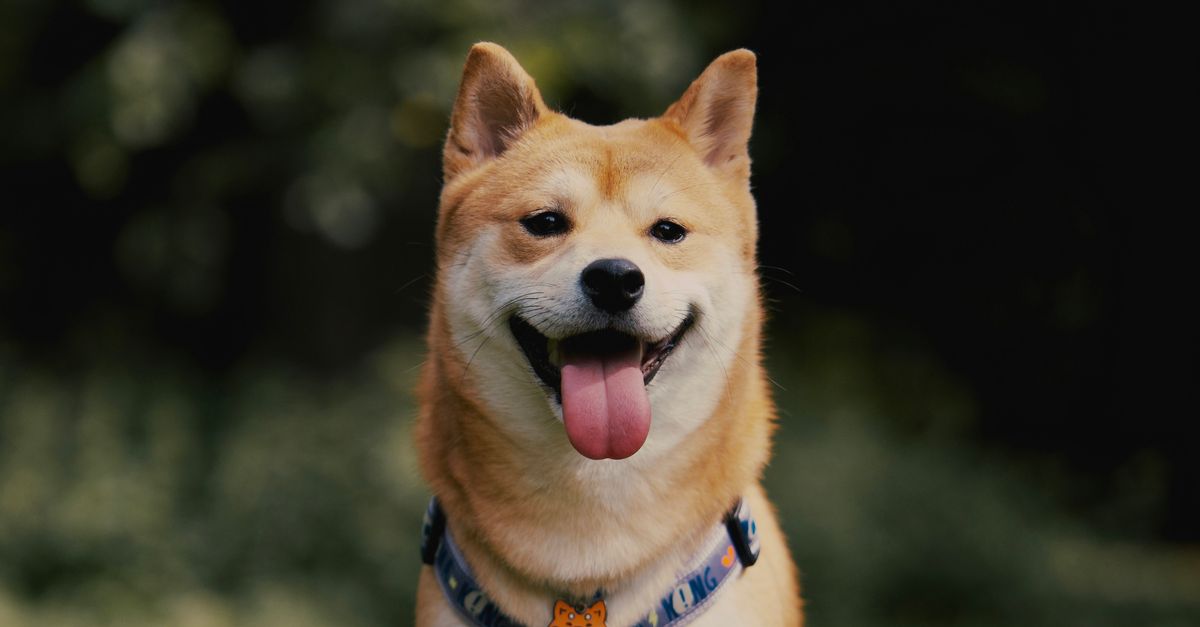
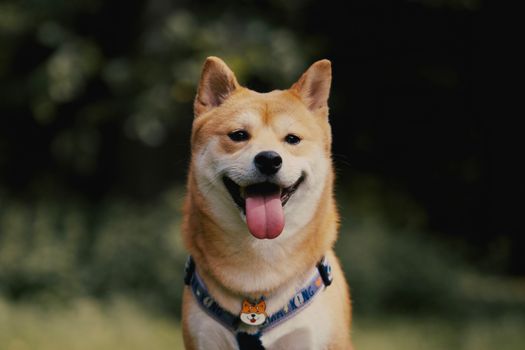
Photo by REFARGOTOHP on Pexels
Quick facts: Shiba Inu
- Size
- Medium
- Weight
- 3.6–5 kg
- Origin
- Japan
- Life span
- 12–15 years
- Temperament
- Alert, confident, independent, spirited
- Energy level
- Medium
- Grooming needs
- Low
- Trainability
- High
- Apartment fit
- Low
- Typical annual cost
- ~$2,200
Is the Shiba Inu right for you?
Best for
- Experienced owners who appreciate an independent, cat-like temperament
- Active households that can provide daily off-leash time in a secure area
- Owners in cooler climates who want a clean, low-odour companion
- Singles or couples without young children who want a loyal but aloof companion
Not ideal if
- First-time dog owners — stubborn recall and complex training needs are challenging
- Families with very young children (Shibas can resource-guard and have a low tolerance for rough handling)
- Owners wanting a reliably off-leash dog in open spaces (very high prey drive)
- Multi-pet households with small animals (cats, rabbits) due to strong hunting instinct
A striking, self-sufficient breed for patient, experienced owners — their catlike independence and stubbornness can frustrate owners expecting an eager-to-please dog.
Trait snapshot
Shiba Inu is part of the Non-Sporting Group — see group tendencies →
What owners actually say
Shibas delight owners with their cat-like independence and cleanliness, but stubbornness and the infamous 'Shiba scream' catch many unprepared.
- Training
Training a Shiba requires patience and creativity — they respond to training when properly motivated but will ignore commands that feel pointless to them. Food-based rewards work better than praise alone.
- Barking
They are generally quiet, but the 'Shiba scream' — a high-pitched shriek during baths, nail trims, or vet visits — surprises many owners. It is dramatic and unsettling but normal.
- Shedding
The Shiba blows its coat twice a year with significant shedding. Daily brushing during these 2–3 week shed seasons is a real commitment. Outside of blow season, maintenance is minimal.
- Alone time
Shibas tolerate alone time better than many breeds and do not typically develop separation anxiety. They are self-sufficient and can do well with a regular 8-hour work schedule if exercised adequately.
- General
Many Shiba owners describe their dog as having more in common with a cat than a Labrador — fastidiously clean, independent, amusing, and on their own schedule. This is genuinely charming if you're prepared for it.
- Health reality
Allergies and skin conditions are more prevalent than the breed's hardy reputation suggests. Many owners report ongoing management of environmental or food allergies requiring elimination diets and regular vet consultations.
Editorial summary. Phase 3 will add structured owner survey data.
Cost snapshot
Range $1,400–$3,800
Range $2,500–$7,500
After first year
Annual breakdown
Assumptions used:
- Purchase price from reputable breeders is typically higher than average due to popularity and limited litter sizes
- Specialist grooming twice yearly during heavy seasonal shedding periods
- Potential ongoing costs for allergy management and orthopaedic monitoring
Last reviewed: 2026-06-20
Read full methodology →Health watchlist
Health information is educational only. Always consult your veterinarian.
Patellar luxation
Slipping kneecaps are among the most commonly reported orthopaedic issues in Shiba Inus. Responsible breeders screen parent dogs. Consult your vet if you notice skipping or intermittent lameness.
Allergies and skin conditions
Environmental and food allergies are reported more frequently in the breed than average; symptoms often present as skin irritation or recurring ear infections. Consult your vet for an appropriate elimination protocol.
Glaucoma
Primary glaucoma has been documented in the Shiba Inu; early signs include eye redness, cloudiness, or squinting. Annual eye examinations are recommended for breeding stock. Consult your vet promptly if you notice eye changes.
Hypothyroidism
Occurs at moderate rates. Watch for unexplained weight gain, lethargy, or coat changes. Consult your vet for guidance specific to your dog.
Dental disease
Regular dental care helps prevent periodontal disease. Consult your vet for guidance specific to your dog.
Check your fit
Answer a few questions to see how a Shiba Inu fits your household.
Frequently asked questions
What is the 'Shiba scream'?
Are Shiba Inus easy to train?
Do Shiba Inus do well in apartments?
How much does it cost to own a Shiba Inu?
What health problems are Shiba Inus prone to?
How much grooming does a Shiba Inu need?
Are Shiba Inus good for first-time owners?
How long do Shiba Inus live?
Tools for Shiba Inu owners
Similar breeds to the Shiba Inu
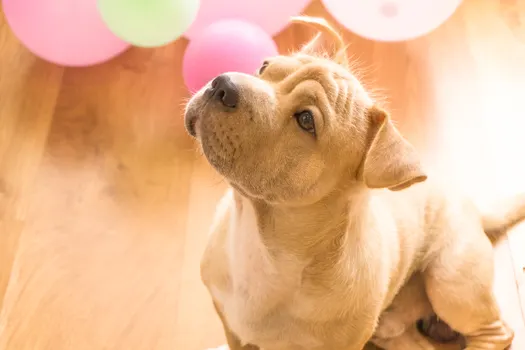
Ancient Chinese guardian known for loose skin, a blue-black tongue, deep loyalty, and a reserved, challenging temperament.
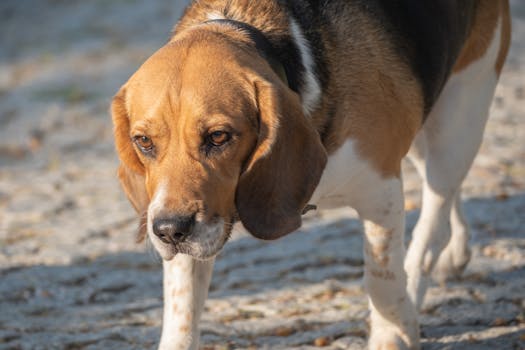
World's finest tracking breed with an extraordinary nose; affectionate and gentle but stubborn, vocal, and prone to following its nose wherever it leads — not a breed for the unprepared.
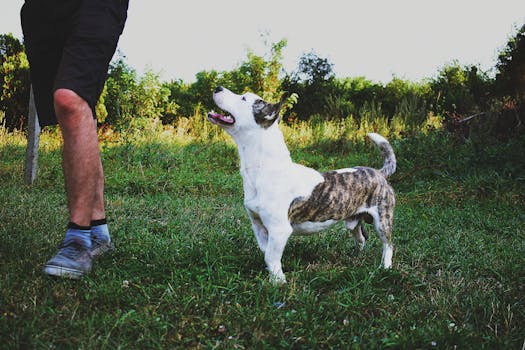
Muscular, playful English breed with a distinctive egg-shaped head; deeply devoted to family but strong-willed and not suitable for first-time owners.
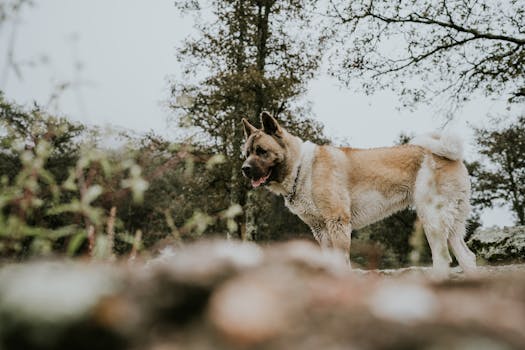
Large, powerful Japanese working breed with fierce loyalty to family and wariness of strangers; not for first-time owners — requires confident, experienced handling.
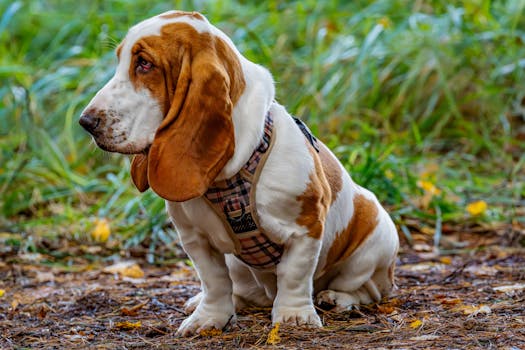
Charming, low-slung scent hound; remarkably good-natured and low-energy indoors but notoriously stubborn, prone to baying, and will follow any interesting scent off-lead.
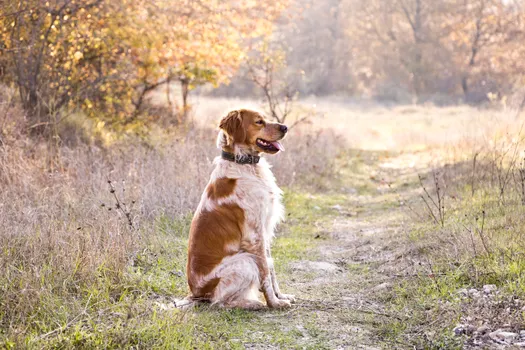
Agile, compact sporting dog with intense field drive, cheerful trainability, and a real need for daily exercise.
Compare & learn more
Head-to-head comparisons
Relevant guides
What would help you avoid choosing the wrong breed?
Help improve PupWiki with one quick anonymous answer.
Find my breed match →